
Flexible work requests are becoming more common across farms and agribusinesses, particularly from parents and carers balancing family responsibilities alongside seasonal workloads. While flexibility can feel challenging in operational environments, recent decisions from the Fair Work Commission reinforce to employers must approach flexible work requests carefully, consistently, and with clear evidence to support any decision.
When Can Employees Request Flexible Work?
Under the Fair Work Act, eligible employees can request changes to their working arrangements if they meet qualifying criteria and the request relates to recognised circumstances. These include:
- Caring responsibilities.
- Pregnancy.
- Disability.
- Age (55 or older).
- Experiencing family and domestic violence.
Importantly, the change requested must be connected to those circumstances, not simply based on personal preference. For example, a request connected to caring responsibilities is treated differently to a request based purely on lifestyle choice.
Employers may only refuse a request on reasonable business grounds, and employees can now escalate disputes to the Fair Work Commission if they believe a refusal is unjustified. Fair Work has a great resource on refusing or challenging flexible work requests, you can view this here.
What Do Recent Decisions Tell Us About Flexible Work Requests?
Flexible work disputes are becoming more and more common. Recent decisions highlight several consistent themes.
First, blanket refusals based solely on workplace policy (for example, “we don’t allow remote work”) are risky. Employers must genuinely consider each request on its individual merits.
Second, general statements about productivity, supervision, or operational inconvenience are not enough. If an employer relies on operational impact as the reason for refusal, there must be evidence – such as safety requirements, machinery operation needs, staffing gaps, or additional labour costs.
Third, where employers have failed to properly engage with requests or provide clear reasoning, refusals have not been upheld.
What Does Flexibility Looks Like on Farms?
Flexibility in agriculture does not necessarily mean working from home. For farming operations, flexibility may instead involve:
- Adjusted start or finish times.
- Temporary roster changes.
- Modified duties during certain periods.
- Short-term arrangements aligned with school terms or caring needs.
The Commission expects employers to consider whether alternative arrangements are possible, even if the exact request cannot be accommodated. Simply dismissing the request without exploring alternative options increases risk.
At the same time, operational realities matter. Where physical presence is essential for safety, supervision, livestock management or machinery operation, these are legitimate considerations (provided they can be clearly explained and supported).
Why Does Process Matter Just as Much as Outcome?
Even where refusal may ultimately be justified, the way the request is managed is critical. Farm employers should:
- Meet with the employee to discuss the request.
- Seek clarification where needed.
- Assess operational impact realistically.
- Consider alternative arrangements.
- Provide clear written reasons for any refusal.
A rushed or dismissive approach can undermine an otherwise reasonable decision. Clear documentation is essential if a dispute arises.
Balancing Flexibility and Operations
Flexible work provisions are not designed to prevent farms from operating effectively. They are designed to ensure genuine flexible work requests are fairly considered.
Handled properly, flexible work conversations can improve retention and trust, particularly in a tight labour market. Handled poorly, they can escalate quickly into disputes or formal proceedings.
The key is balance: operational practicality supported by evidence, combined with fair and transparent decision-making.
How ProcessWorxAg Can Support You
The ProcessWorxAg team works with farm and agribusiness employers to:
- Assess flexible work requests.
- Identify and document reasonable business grounds.
- Review policies and templates.
- Strengthen decision-making processes.
- Reduce the risk of disputes.
- Provide representation if needed.
Early advice can prevent costly and time-consuming proceedings later.
If you’d like support managing a flexible work request or reviewing your HR processes, contact us on (08) 9316 9896 or email enquiries@processworx.com.au. Check out how our Agri-HR package can help you.
Follow ProcessWorxAg on LinkedIn, Facebook, Instagram, YouTube, and the Lets Chat HR & Safety Podcast to keep up with the latest HR and Safety news.
STAY IN THE LOOP
Subscribe to our free newsletter.
Leave A Comment
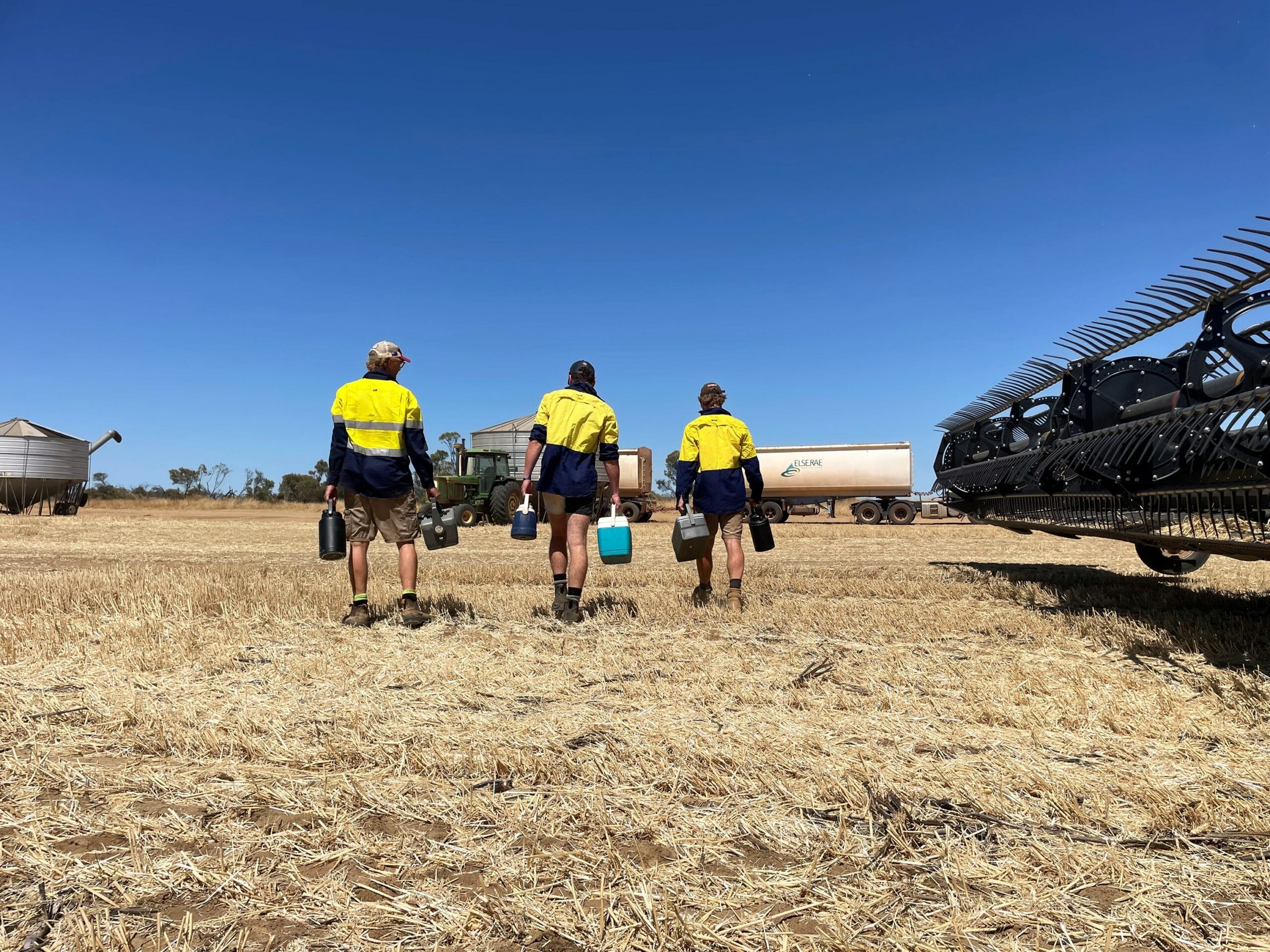
Visa delays and paused working holiday applications are adding pressure ahead of WA’s grain harvest. With seasonal workers harder to secure, getting every new starter onboarded, inducted and paid correctly matters.
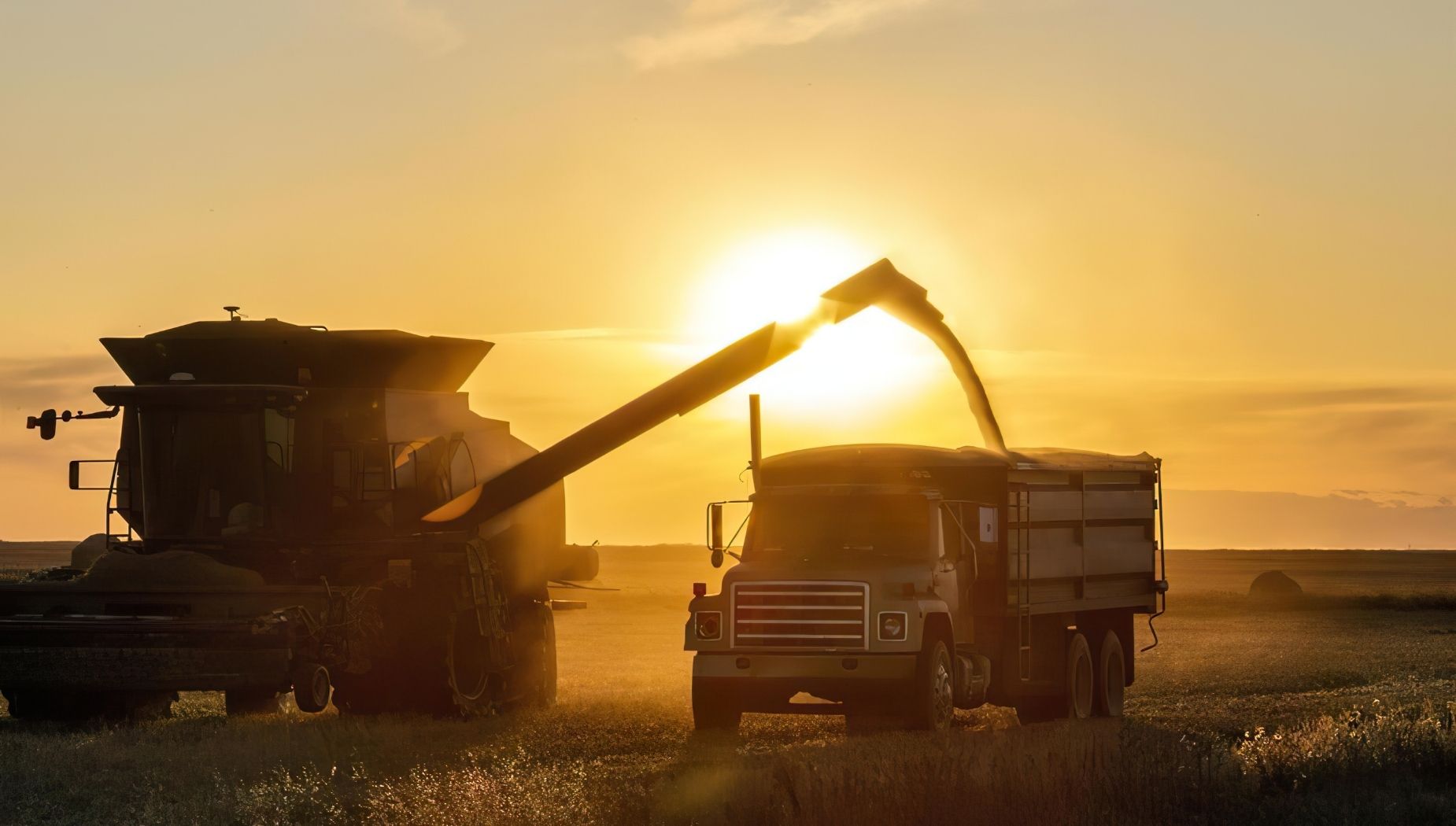
Harvest recruitment is underway, and finding reliable seasonal workers can be challenging. Here are some strategies to help farms attract and retain the right people.
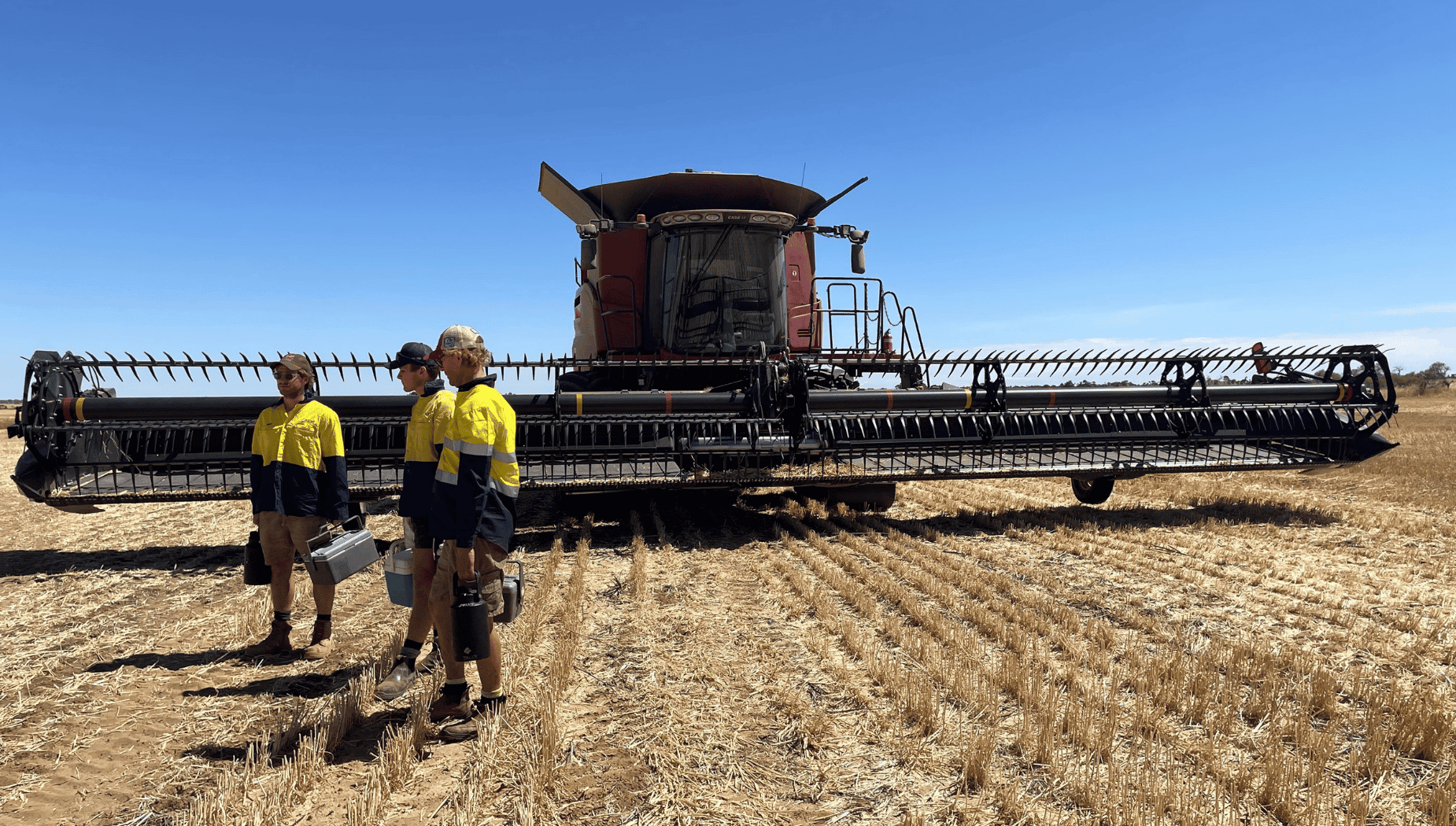
This HR guide for harvest covers some of the key areas farm employers should get in order - from recruitment and contracts to pay, onboarding and record keeping.
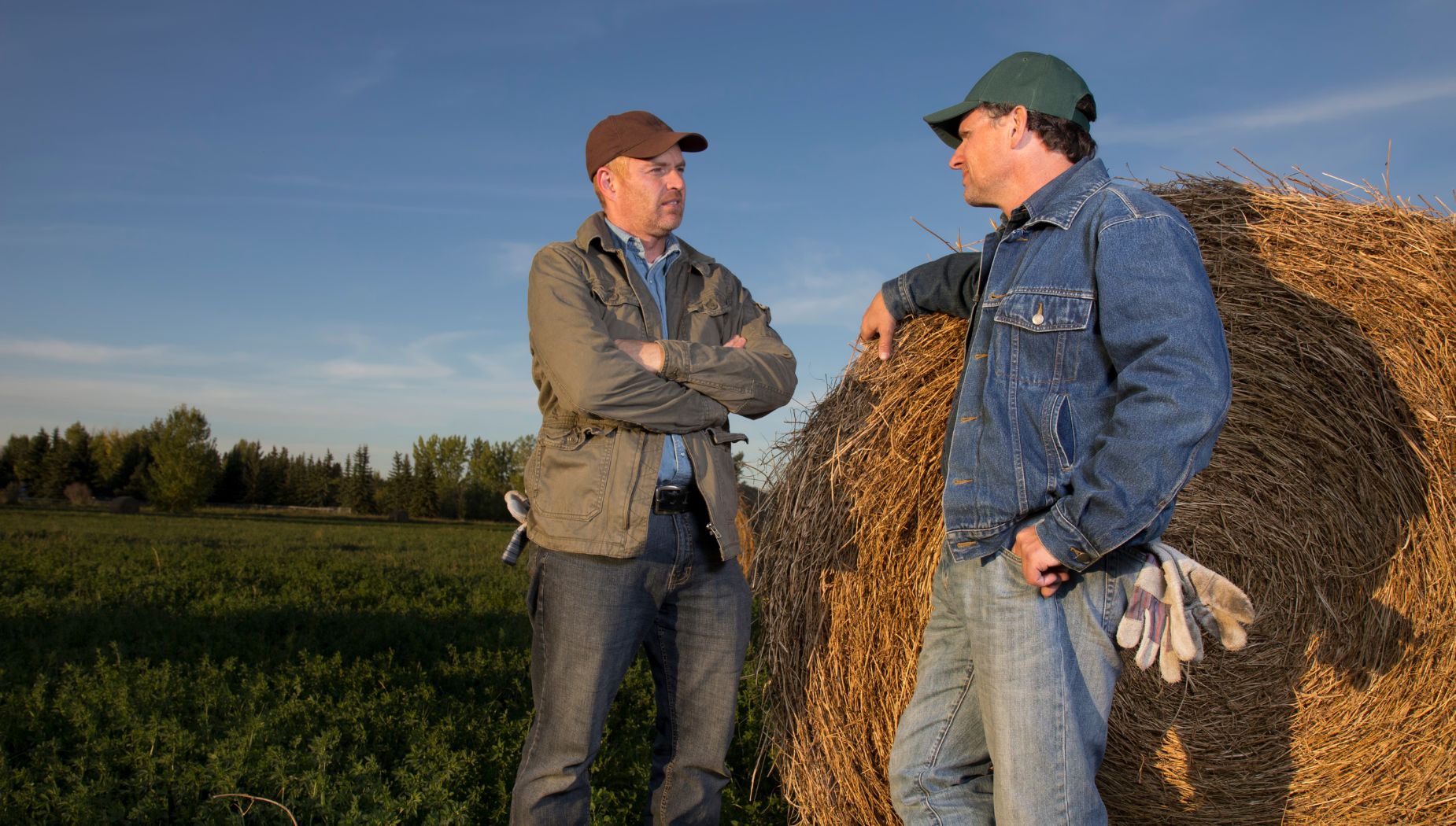
While pay remains important, it's not the only reason people stay or leave. There are several common factors that influence whether good workers remain with a business long-term.
