
The Fair Work Ombudsman continues to conduct inspections across industries, with a strong focus on pay compliance, record-keeping and high-risk employment arrangements such as piecework. Inspectors commonly request access to employment records, payslips and pay structures to assess whether workers are receiving their correct entitlements. For employers, this reinforces the importance of having clear, compliant systems in place, not just relying on what has “always been done”.
What Inspectors Look For
During an inspection, employers may be required to provide:
- Payslips and wage records.
- Time and attendance records.
- Employment contracts.
- Pay structures and classifications.
- Piecework agreements (where applicable).
If these records are missing, inaccurate or inconsistent, it can raise compliance concerns, even before underpayments are identified.
Pay and Entitlements
Employees must be paid for all hours worked, including:
- Training.
- Meetings.
- Mandatory activities.
Under the Fair Work Act 2009, failing to meet minimum pay requirements can result in significant penalties.
Importantly, recent developments have reinforced that:
- Pay must meet Award requirements in each pay period.
- Not averaged across longer timeframes or seasons.
Learn more about these changes here.
This is particularly relevant where:
- Flat rates are used.
- Hours vary significantly.
- Seasonal workloads increase.
Pieceworkers and Minimum Pay
Piecework arrangements are a common focus during inspections.
Under the Horticulture Award, pieceworkers must still receive at least the equivalent of the minimum hourly rate for their classification.
This means:
- Earnings must meet minimum wage requirements.
- Casual employees must also receive the 25% loading.
Piece rates cannot be used to avoid minimum entitlements.
Piecework Record-Keeping
Record-keeping requirements for piecework are strict.
Employers must maintain:
- Accurate records of hours worked.
- Details of piece rates applied.
- Total earnings for each worker.
If records are incomplete or missing, penalties may apply, even if employees have been paid correctly.
Migrant Workers
Workers on visas are entitled to the same workplace protections as all employees.
Employers must ensure:
- Correct pay and conditions are applied.
- Visa work restrictions are understood and followed.
Non-compliance in this area can lead to both workplace and migration consequences.
Common Compliance Gaps
Across inspections, common issues include:
- Underpayment of wages.
- Incorrect or unclear pay structures.
- Reliance on outdated practices.
- Incomplete or missing records.
- Misunderstanding Award obligations.
These gaps are often unintentional, but still carry risk.
Getting It Right
Most compliance issues arise from uncertainty, not intent.
A practical review of your pay structures, records and agreements can help ensure your systems:
- Reflect current Award requirements.
- Align with how your business actually operates.
- Can be clearly demonstrated if reviewed.
The focus should be on systems that are accurate, consistent and actively used, not just documented.
How ProcessWorxAg Can Support You
If you’re unsure whether your current pay setup, piece rates or records meet requirements, it’s worth reviewing these areas before issues arise.
Our team can assist with:
- Award interpretation and pay reviews
- piecework and pay structure assessments
- record-keeping compliance
- identifying underpayment risks
If you need assistance determining correct pay rates for permanent or seasonal workers contact ProcessWorxAg on 08 9316 9896 or enquiries@processworx.com.au.
Follow ProcessWorxAg on LinkedIn, Facebook, Instagram, YouTube, and the Lets Chat HR & Safety Podcast to keep up with the latest HR and Safety news.
STAY IN THE LOOP
Subscribe to our free newsletter.
Leave A Comment
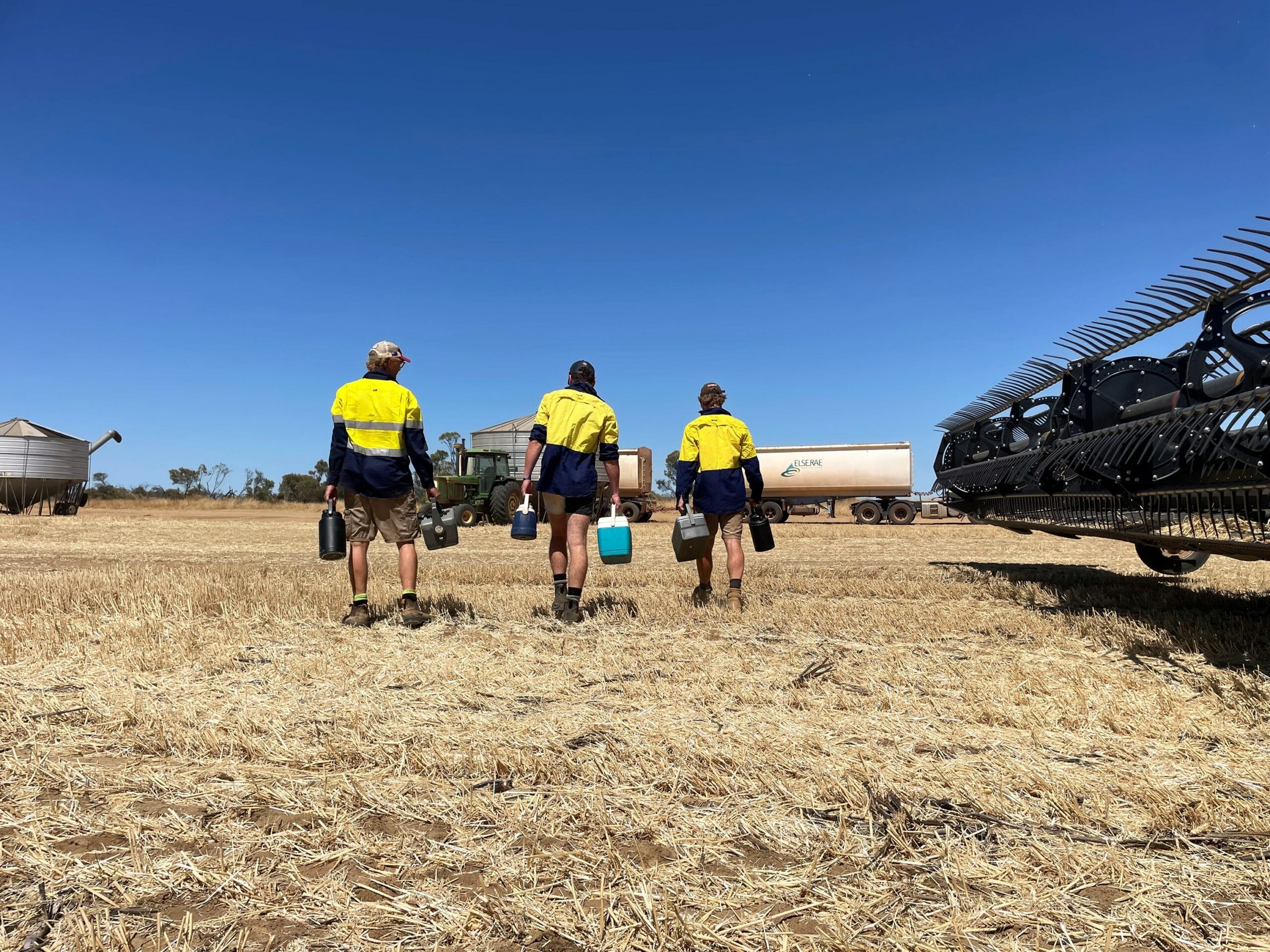
Visa delays and paused working holiday applications are adding pressure ahead of WA’s grain harvest. With seasonal workers harder to secure, getting every new starter onboarded, inducted and paid correctly matters.

Harvest recruitment is underway, and finding reliable seasonal workers can be challenging. Here are some strategies to help farms attract and retain the right people.
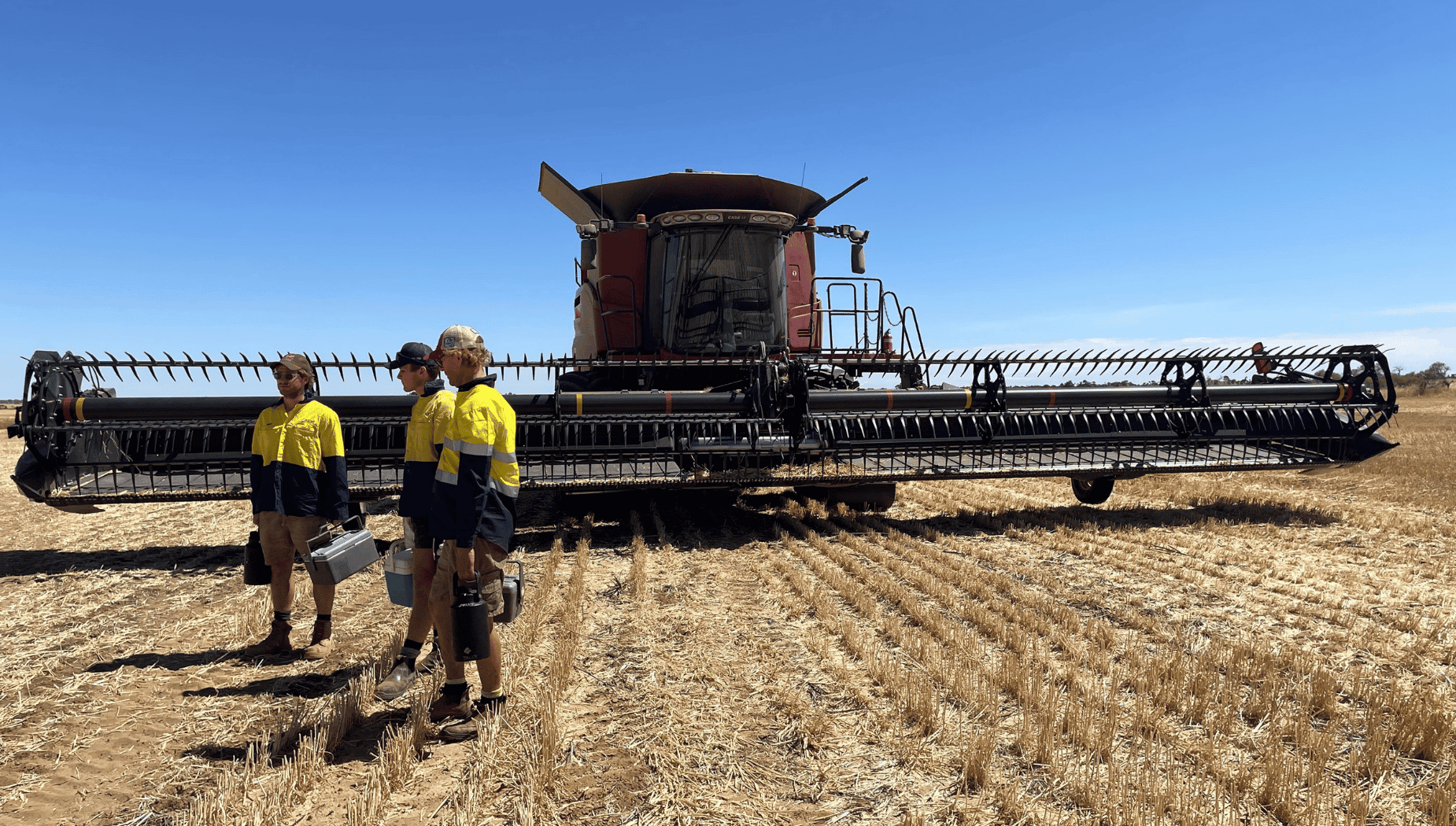
This HR guide for harvest covers some of the key areas farm employers should get in order - from recruitment and contracts to pay, onboarding and record keeping.
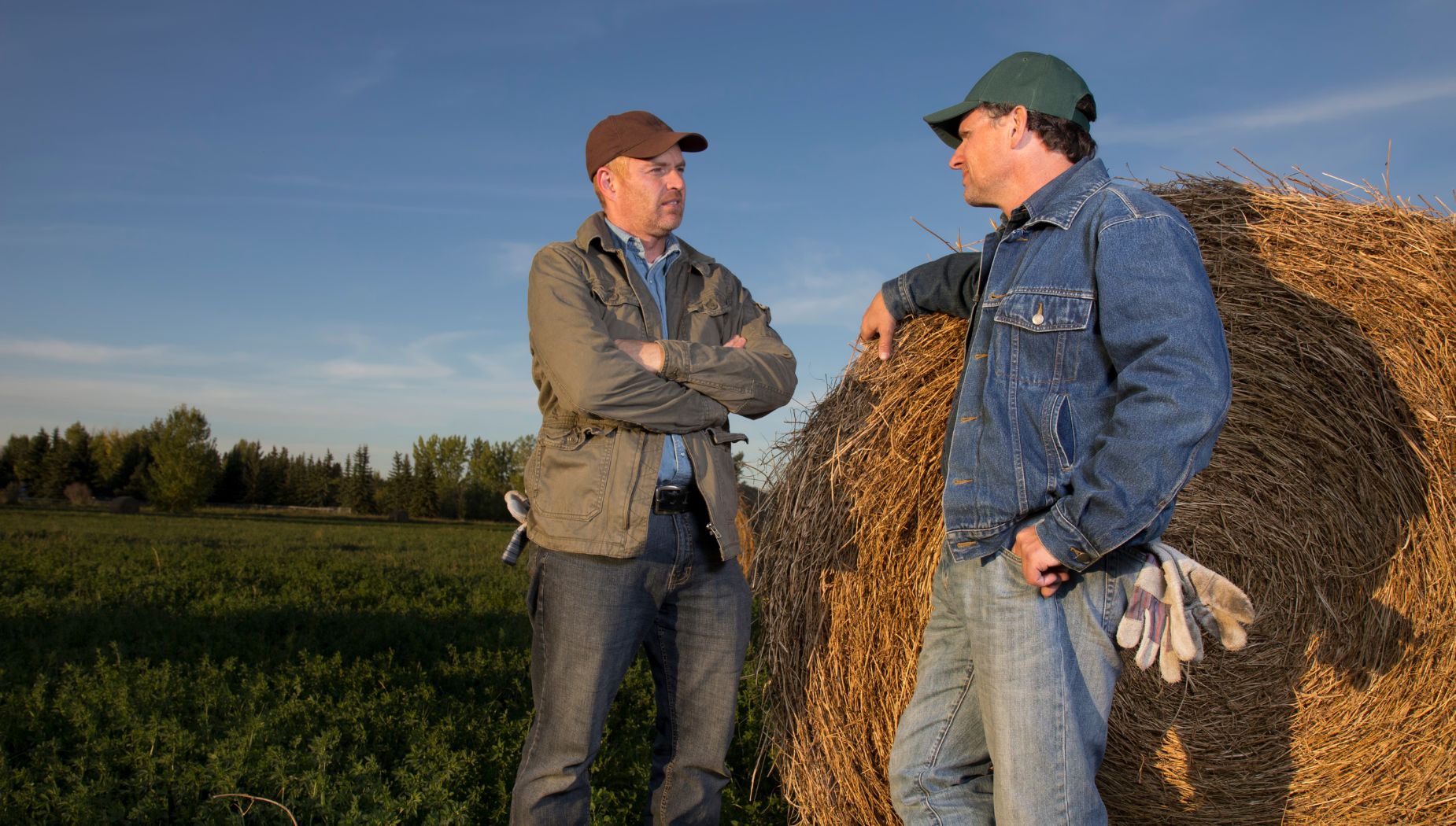
While pay remains important, it's not the only reason people stay or leave. There are several common factors that influence whether good workers remain with a business long-term.
