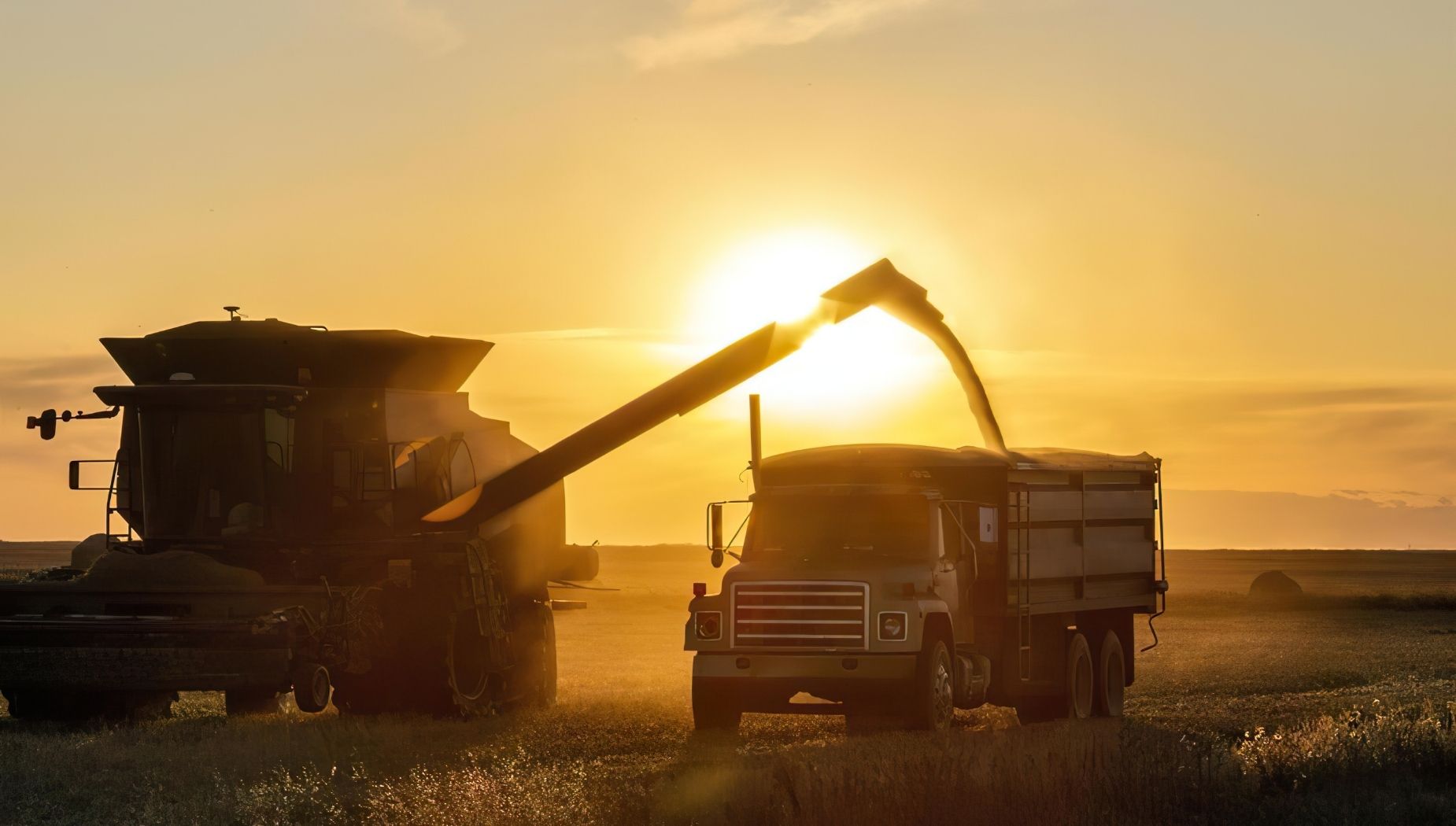
Harvest recruitment is underway, and finding reliable seasonal workers can be challenging. Here are some strategies to help farms attract and retain the right people.
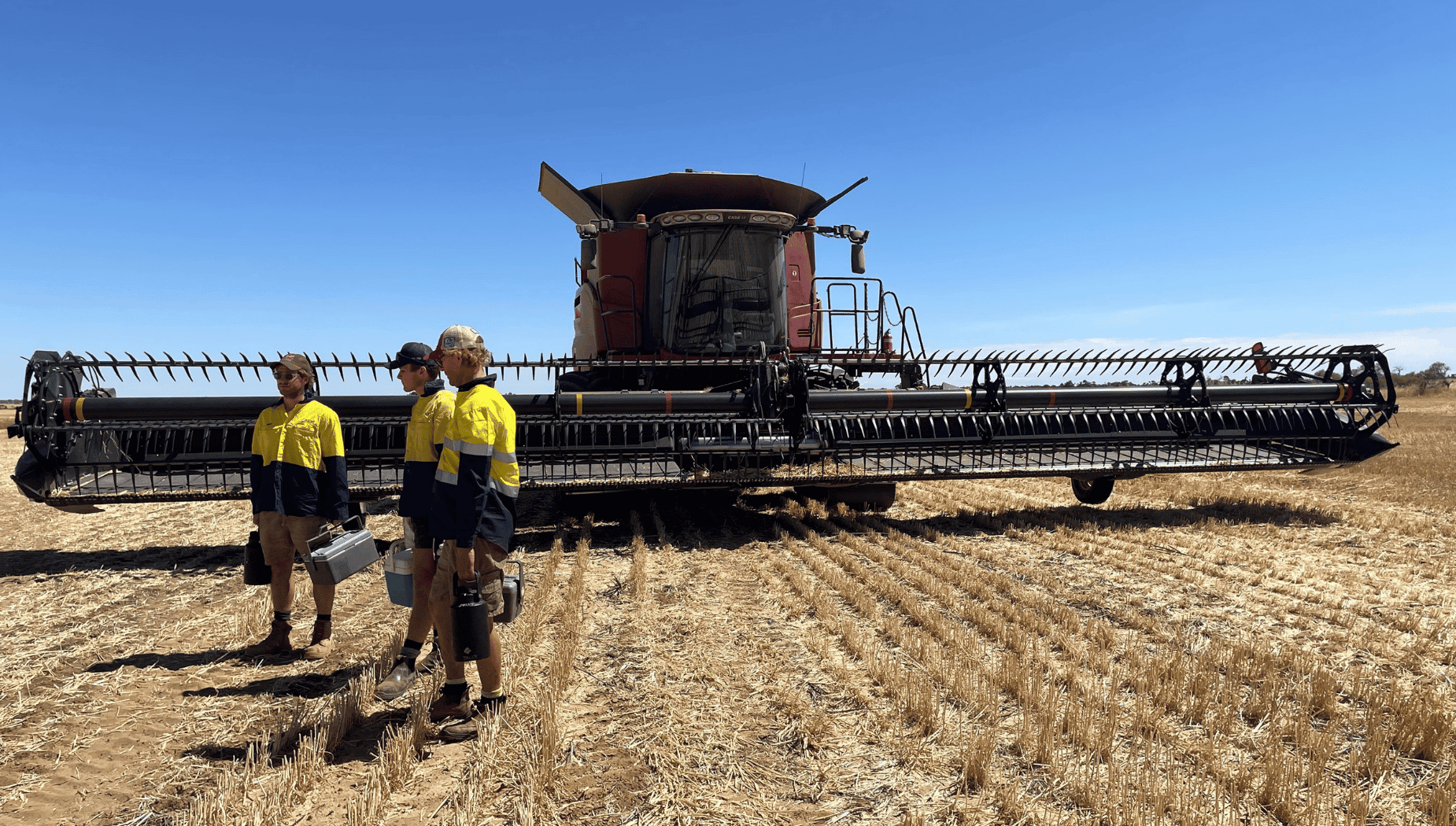
This HR guide for harvest covers some of the key areas farm employers should get in order - from recruitment and contracts to pay, onboarding and record keeping.
Time Off In Lieu (TOIL) is often used on farms as a practical way to manage long hours during busy periods like seeding or harvest. In theory it’s simple, work overtime now and take time off later. In practice however, it’s one of the most common areas where things go wrong. How Informal
Many farms have a risk register in place but in practice, it’s common for the document to be completed once, filed away, and rarely referred to again. Recently, we worked with a client who did not know how to use a risk register, which created a significant gap in their safety systems. What
Managing staff during seeding is one of the biggest challenges for farms. With long hours and heavy workloads, it’s easy to focus purely on operations. However, your HR obligations as an employer do not change during seeding, in fact you may find yourself with more. Getting your HR foundations right before and during seeding
Seeding season is one of the busiest times in agriculture, with many farms relying on seasonal workers to meet labour demands. Temporary and casual employment is common during this period, and managing seasonal workers comes with specific HR compliance obligations. Failing to meet these requirements can lead to penalties, disputes, or operational disruptions. To ensure
From spraying crops to treating livestock, most farms use hazardous chemicals as part of day-to-day operations. While these substances are often essential, they may come with serious health and safety risks, especially if they’re not handled or managed correctly. One of the biggest concerns with chemicals like pesticides, fungicides, herbicides and insecticides is that the
Isolated work is a regular part of farm life however, it comes with serious risks, particularly when there’s no one nearby to help if something goes wrong. Risks of working remotely Working remotely increases the risk of: In some tragic cases, delayed response time has meant the difference between a close call and a fatality.
Seeding is one of the most demanding times of the year in Australian agriculture. With long hours, heavy machinery, fatigue risks, and chemical handling, workplace safety must be a priority to prevent injuries, costly downtime, and compliance breaches. Knowing how to keep workers safe during seeding not only ensures a smooth and safe season, it
As the summer approaches, outdoor workers face challenges in managing the risks from hot weather conditions. Whether tending crops, herding livestock, or performing construction and maintenance tasks, outdoor workers are often exposed to high levels of UV radiation levels. UV radiation is a leading cause of skin and eye damage, including sunburn, premature aging, and

