
Many farms bring in additional workers throughout the year to assist with tasks such as fencing, harvesting, or livestock handling. These individuals might issue invoices and work under an ABN, but that alone does not determine whether they are legally considered an employee vs contractor. It’s essential to determine whether the nature of the engagement reflects a genuine contractor relationship or whether the worker is, in fact, an employee.
What’s the Difference: Employee vs Contractor?
| Contractor | Employee | |
| Control over work | Controls how and when the work is done | Follows your instructions and schedule |
| Tools and equipment | Brings their own tools, machinery, or PPE | Uses your farm’s equipment and materials |
| Risk and responsibility | Bears the risk of profit or loss; covers their own insurance and tax | Has limited risk; you cover insurance (e.g. workers compensation) and tax |
| Work arrangements | Works for multiple clients or farms | Usually works only for your farm |
| Payment method | Paid per job or milestone; issues invoices | Paid hourly, daily, or weekly as wages |
| Delegation/subcontracting | Can hire others to do the work (if allowed by contract) | Must do the work personally |
| Superannuation & entitlements | May manage their own superannuation, depending on the nature of the arrangement; not entitled to paid leave | You pay superannuation and provide entitlements like leave, if required by the Award |
The WA Legal Test
Employment legislation doesn’t consider what you call the arrangement, it looks at the reality. Employment law asks: what’s the true nature of the working relationship?
They’ll consider things like:
- Who controls when and how work is done.
- Whether the person takes on risk (e.g. supplying their own tools, covering their own insurance).
- Whether the person is genuinely running their own business.
If the worker challenges, you have to prove they’re not an employee.
Federal Tests
Whole of Relationship Test
Under the amended Fair Work Act, most worker classifications must now be assessed using the whole of relationship test. This test requires looking at the real substance, practical reality, and true nature of the working relationship, not just what the written contract says. It considers a wide range of factors, including the level of control the business has over the worker, whether the worker can delegate tasks, who supplies tools and equipment, the method of payment, and how the arrangement operates in practice. The goal is to determine whether a person is genuinely running their own business (a contractor) or working as part of someone else’s business (an employee).
Start of Relationship Test
The start of relationship test applies only to workers who earn above the contractor high income threshold (set at $175,000) and who choose to opt out of the whole of relationship test. If a high-income independent contractor provides written notice to the business they work for, their employment status will be determined based solely on the terms of the written contract as it stood at the start of the relationship. This test allows high income contractors to rely on the contract’s legal terms without regard to how the relationship has played out in practice. This opt-out is intended to give highly paid, experienced contractors more certainty and control over how their working relationship is classified.
What is Sham Contracting?
It’s illegal to:
- Call someone a contractor to avoid paying entitlements (like leave or superannuation).
- Terminate a worker and rehire them as a contractor to cut costs.
- Mislead someone into signing a contract for services when they’re actually an employee.
If you’re found to be sham contracting, you could face:
- Hefty fines.
- Backpay of wages, superannuation, and leave.
- Orders to reinstate the worker or pay compensation.
Learn more about sham contracting here.
Next steps for employers
- Review your arrangements.
- Have accurate contracts in place.
- Seek advice if you’re unsure.
With increasing scrutiny on worker classifications in agriculture, now is the time to make sure your farm is protected. At ProcessWorx, we help businesses navigate complex employment decisions with confidence, ensuring you stay compliant and focused on running your farm.
If you would like to learn how ProcessWorxAg can help with Human Resources or Work Health & Safety, please contact us on 08 9316 9896, enquiries@processworx.com.au. Also watch an Introduction to ProcessWorx.
Follow ProcessWorx on LinkedIn, Facebook, Instagram, YouTube, and X to keep up with the latest HR and Safety news.
[/fusion_text][/fusion_builder_column][/fusion_builder_row][/fusion_builder_container]
STAY IN THE LOOP
Subscribe to our free newsletter.
Leave A Comment
Comments are closed.
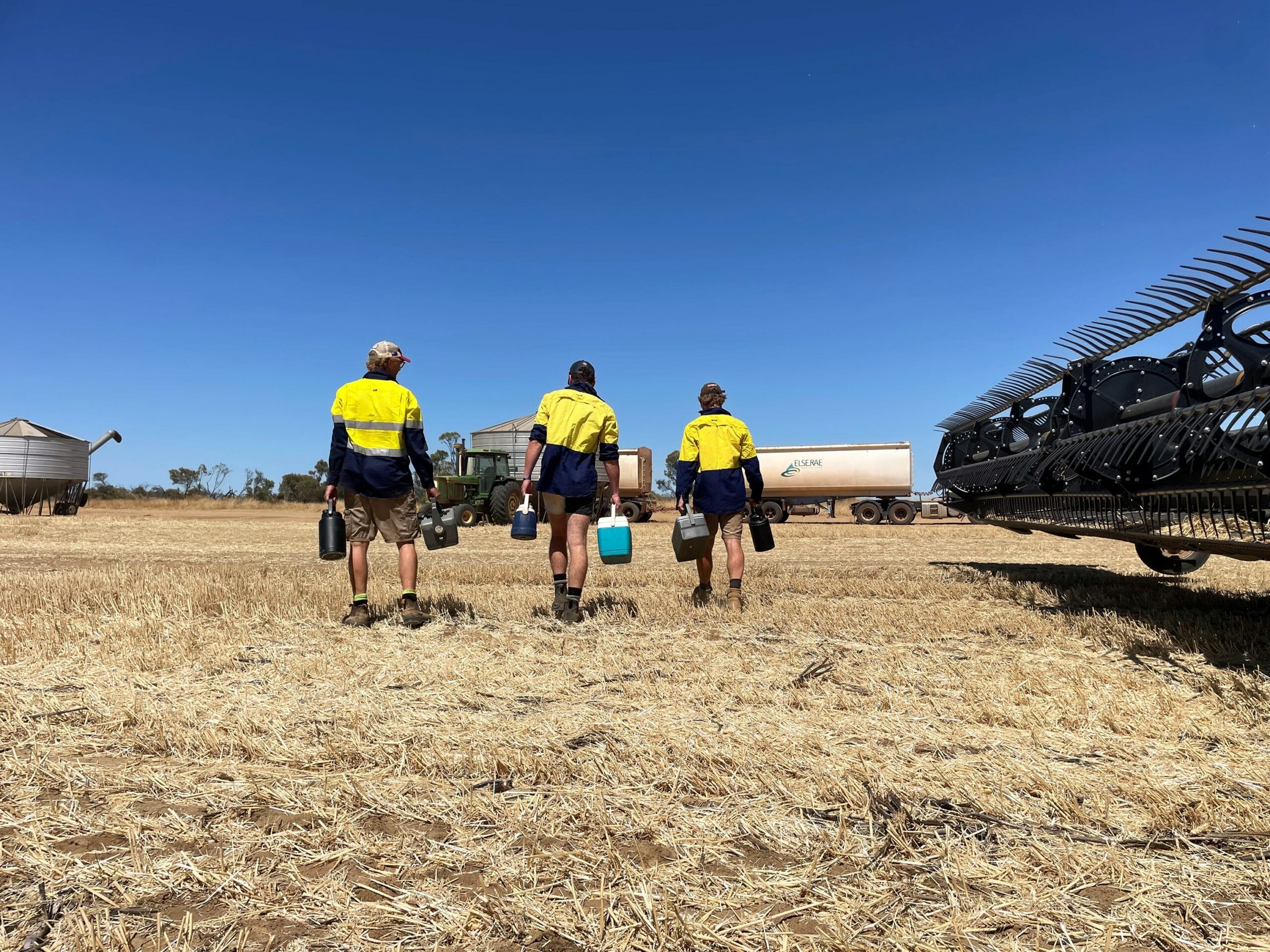
Visa delays and paused working holiday applications are adding pressure ahead of WA’s grain harvest. With seasonal workers harder to secure, getting every new starter onboarded, inducted and paid correctly matters.

Harvest recruitment is underway, and finding reliable seasonal workers can be challenging. Here are some strategies to help farms attract and retain the right people.
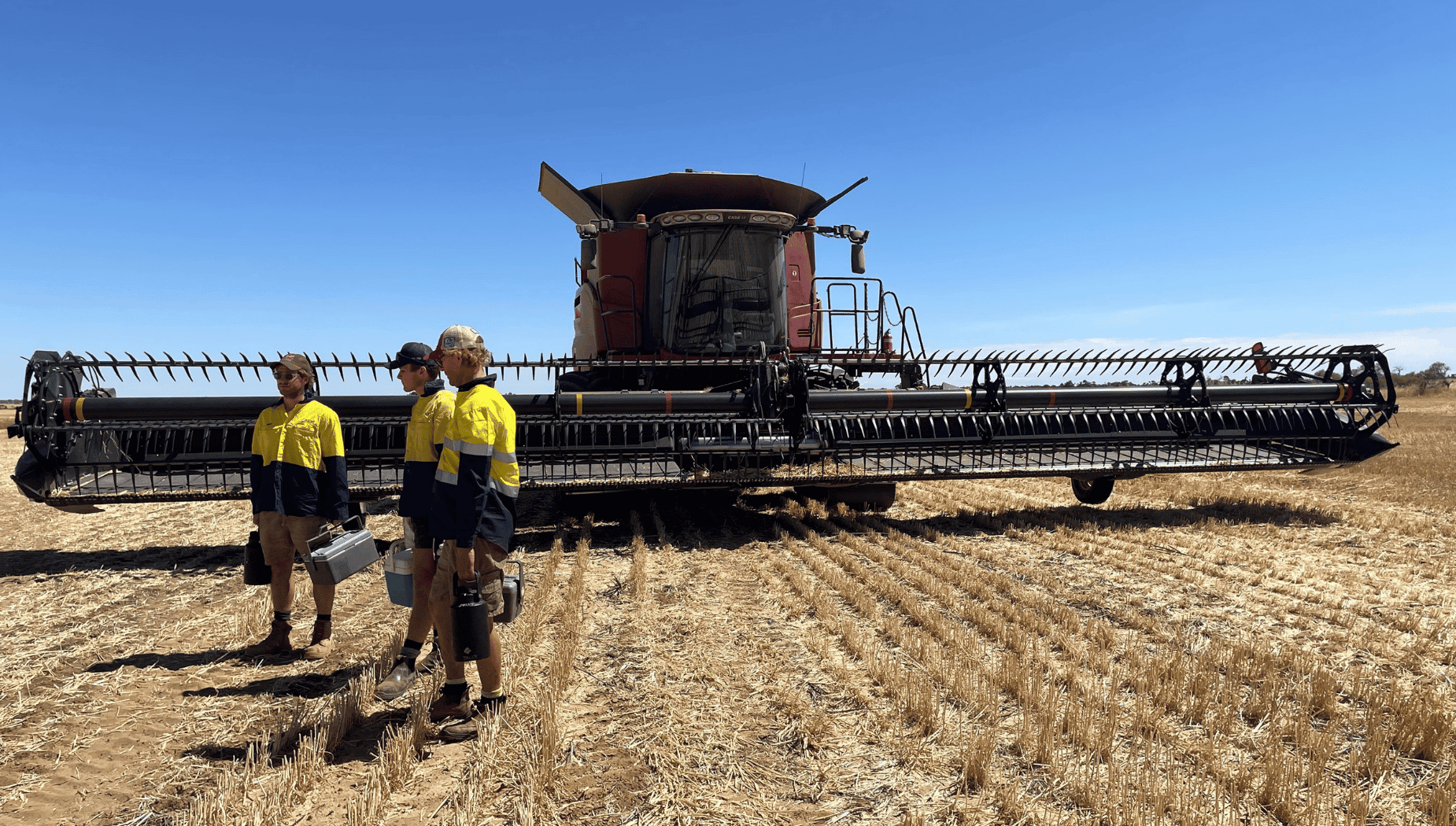
This HR guide for harvest covers some of the key areas farm employers should get in order - from recruitment and contracts to pay, onboarding and record keeping.
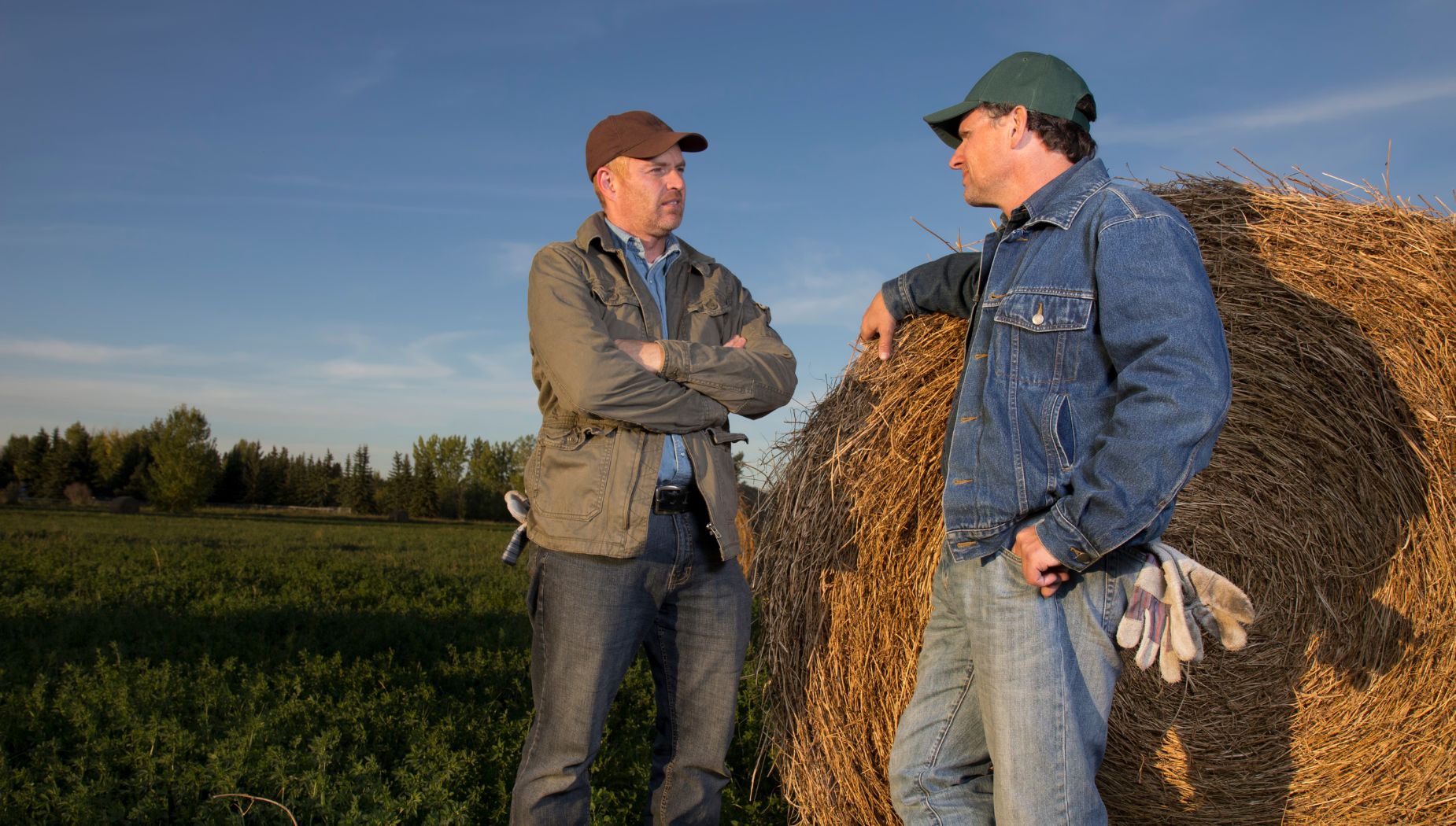
While pay remains important, it's not the only reason people stay or leave. There are several common factors that influence whether good workers remain with a business long-term.

[…] tax obligations. If you’re stuck on whether a worker is an employee or contractor, our article Employee vs Contractor will be […]