
Seeding season is one of the busiest times in agriculture, with many farms relying on seasonal workers to meet labour demands. Temporary and casual employment is common during this period, and managing seasonal workers comes with specific HR compliance obligations. Failing to meet these requirements can lead to penalties, disputes, or operational disruptions.
To ensure compliance and maintain a productive workforce, here’s what farm owners need to consider when hiring and managing seasonal workers during seeding.
1. How to Correctly Classify Seasonal Workers
One of the most common compliance risks in agriculture is misclassifying workers. You must determine whether seasonal workers are employees or independent contractors, as this affects their entitlements and tax obligations. If you’re stuck on whether a worker is an employee or contractor, our article Employee vs Contractor will be helpful.
Key Differences:
| Employment status | Entitlement and Obligations | Superannuation | |
| Full-Time and Part-Time Employees | Ongoing employment, guaranteed hours | Minimum wage, paid leave, penalty rates (if applicable), covered by Modern Award | Employer must pay super |
| Casual Employees | No guaranteed hours, employed as needed | Higher hourly pay (includes casual loading), no paid leave, covered by Modern Award | Employer must pay super for all casuals over 18, or if they’re under 18 but working over 30 hours a week |
| Contractors | Engaged on a contract basis with no set hours or ongoing employment commitment | No award coverage, invoices for work, responsible for own tax & insurance | Responsible for their own super |
Why This Matters:
Misclassifying a worker can lead to back payments, fines, and legal action. Ensure all workers have clear contracts that accurately reflect their working arrangements.
2. How to Ensure Workers Have the Right to Work in Australia
Many farms hire visa workers during seeding, making it essential to verify each worker’s employment rights.
Steps to Stay Compliant:
- Use the VEVO (Visa Entitlement Verification Online) system to check work rights.
- Keep records of visa details and work conditions.
- Avoid employing workers whose visas prohibit certain types of work.
Employing workers without the correct visas can result in severe penalties under the Migration Act 1958, including fines and legal consequences.
3. Make Sure You’re Paying Seasonal Workers Correctly
Seasonal employees must be paid according to the applicable Modern Award, typically the Horticulture Award or Pastoral Award. From 1 April, these awards will have new definitions and minimum payrates for entry level classifications. If you need more clarity on paying employees under this award, check out the Horticulture Award Pay guide and the Pastoral Award Pay Guide. Note that contractors are generally paid per agreement or invoice, not wages under an Award.
Payment Considerations:
- Casual employees are entitled to casual loading (usually 25%) on top of their hourly rate.
- Piecework rates must meet minimum earnings thresholds introduced in 2022.
- Overtime and penalty rates apply in some cases.
Farms must also provide:
- Accurate payslips for every pay cycle.
- Proper record-keeping of hours worked and pay calculations.
- Superannuation contributions for eligible workers.
Recent Changes:
A recent Federal Court decision has reinforced that employees must be better off overall in each individual pay period, not just on average over time. This means employers can no longer rely on annualised salaries or flat rates alone without checking that Award entitlements are met in every pay cycle. Where this is not the case, top-up payments may be required. This change has made accurate time and wage records more important than ever, particularly during busy periods where hours can vary. We published an article to help employers with these changes, check it out here.
4. Managing Worker Accommodation and Wellbeing
If providing accommodation for seasonal workers, farms must ensure conditions meet legal standards to avoid disputes or non-compliance issues.
Key Considerations:
- Ensure clean and safe housing conditions.
- Provide access to basic facilities such as sanitation, cooking, and sleeping areas.
- Comply with council and tenancy regulations where applicable.
Farms should also support worker wellbeing by:
- Managing fatigue with proper break schedules.
- Providing drinking water and shaded rest areas.
- Ensuring workers have access to support services if needed.
5. Contracts, Policies, and Record-Keeping Requirements
Every seasonal worker should have a written employment contract that clearly outlines:
- Work duties and conditions.
- Pay rates and entitlements.
- Duration of employment.
- Termination conditions.
Farms must also maintain accurate employment records, including:
- Worker details and contact information.
- Hours worked and payment history.
- Work rights and visa documentation (if applicable).
Failure to keep proper records can result in significant penalties from the Fair Work Ombudsman.
Managing seasonal workers during seeding requires more than just hiring extra hands, it requires HR compliance to avoid legal risks and ensure smooth operations. By correctly classifying workers, verifying work rights, meeting wage obligations, and maintaining accurate records, farms can protect their business while fostering a fair and productive work environment.
If you’re unsure whether your current setup covers all of these areas, or want to sense-check your contracts, pay rates or onboarding processes before things ramp up, it’s worth reviewing now. Our team can help you identify any gaps and make sure everything is set up correctly heading into the season. Please contact us on 08 9316 9896 or get in touch here.
Follow ProcessWorxAg on LinkedIn, Facebook, Instagram, YouTube, and the Lets Chat HR & Safety Podcast to keep up with the latest HR and Safety news.
STAY IN THE LOOP
Subscribe to our free newsletter.
Leave A Comment
Comments are closed.
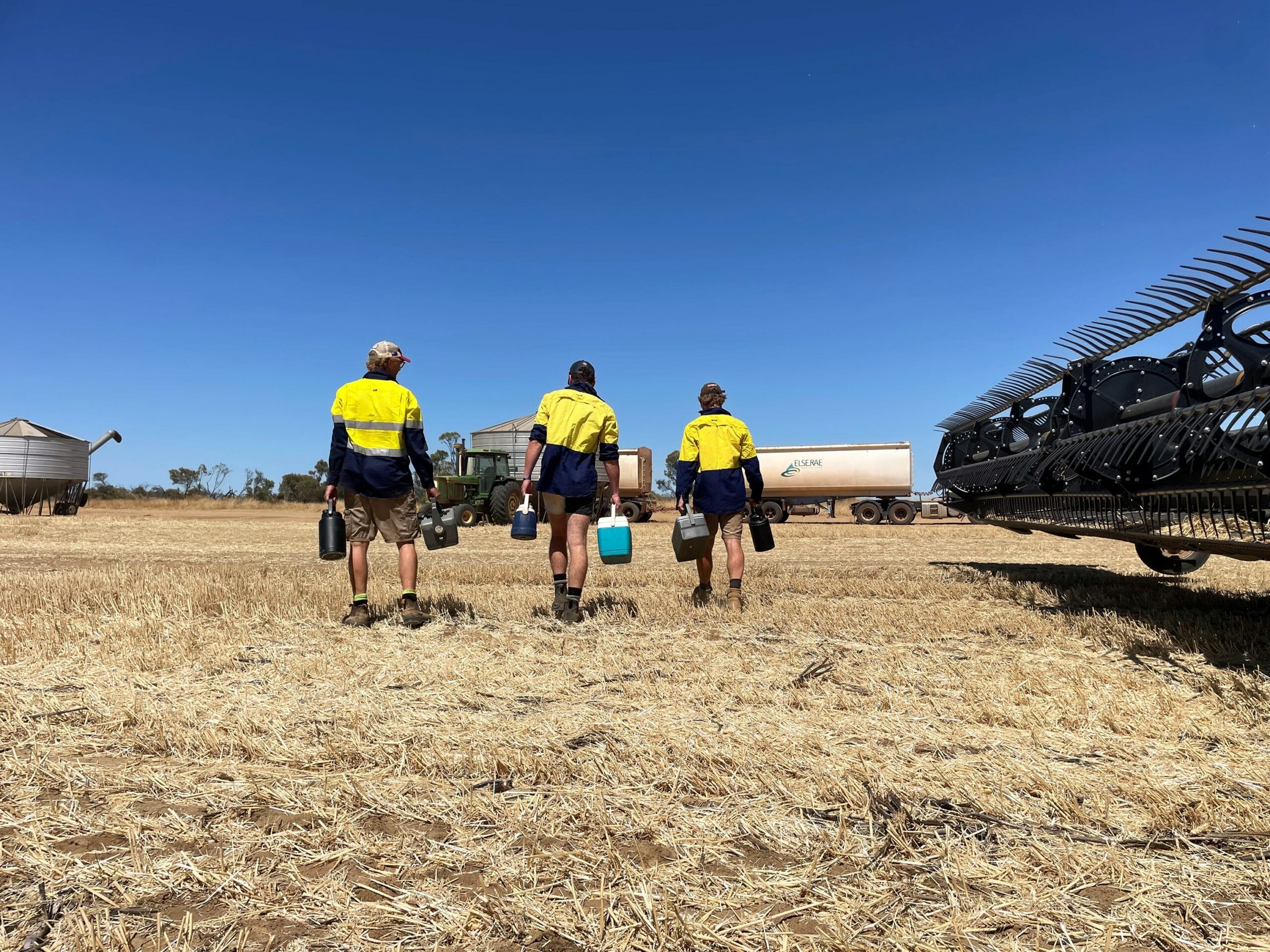
Visa delays and paused working holiday applications are adding pressure ahead of WA’s grain harvest. With seasonal workers harder to secure, getting every new starter onboarded, inducted and paid correctly matters.
Harvest recruitment is underway, and finding reliable seasonal workers can be challenging. Here are some strategies to help farms attract and retain the right people.
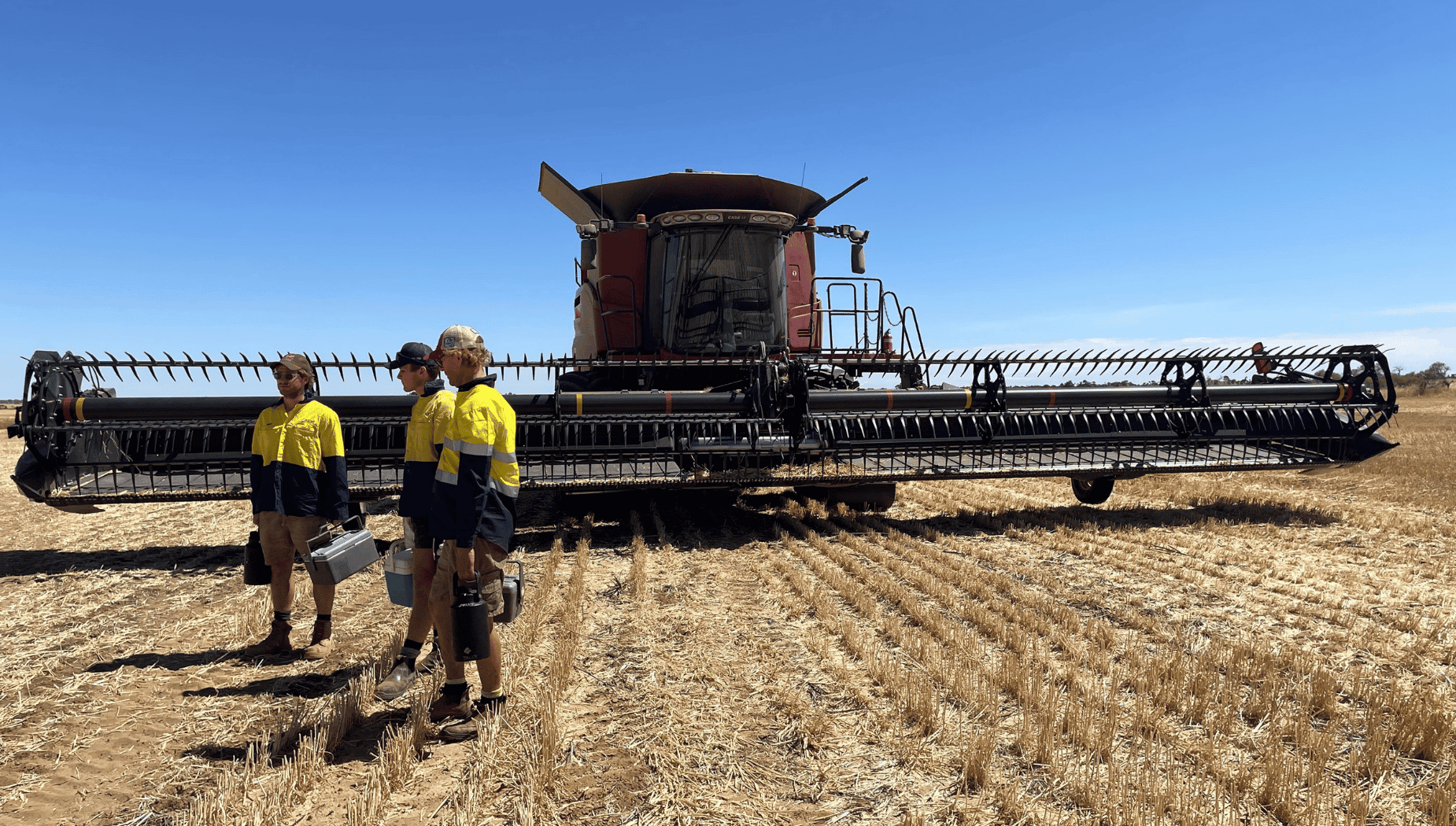
This HR guide for harvest covers some of the key areas farm employers should get in order - from recruitment and contracts to pay, onboarding and record keeping.
While pay remains important, it's not the only reason people stay or leave. There are several common factors that influence whether good workers remain with a business long-term.

[…] employees during seeding requires a slightly different approach, you can read more about this here.) […]