
Providing effective safety training for farms is a key responsibility for farm owners and operators. Ensuring workers understand risks, safety procedures and their responsibilities helps reduce incidents and supports compliance.
WHS training should be practical, relevant to your farm, and regularly reviewed, not treated as a one-off task.
What safety training do farm workers need?
1. General WHS Induction
Key topics:
- Workers’ WHS rights and responsibilities.
- Employer obligations under WHS legislation.
Learn more about duties under WHS laws here.
Why it’s important:
Induction training ensures workers understand the safety policies and procedures specific to your farm from the outset.
2. Identifying and Managing Hazards
Key topics:
- Common farm hazards (machinery, livestock, chemicals, weather conditions).
- How to report hazards.
- The hierarchy of controls.
Why it’s important:
Workers must be able to recognise risks and take appropriate action. Training in hazard management is a core requirement under WHS legislation.
3. Emergency Procedures
Key topics:
- Emergency response and evacuation procedures.
- First aid and access to medical assistance.
- Fire safety and use of firefighting equipment.
Why it’s important:
Workers need to respond quickly and effectively in emergencies to protect themselves and others.
4. Role-Specific Training
Key topics:
- Safe operation of machinery (tractors, quad bikes, harvesters).
- Handling and storage of hazardous chemicals.
- Safe livestock handling.
Why it’s important:
Higher-risk tasks require targeted training to ensure work is carried out safely and in line with requirements.
5. Mental Health and Wellbeing
Key topics:
- Recognising signs of stress, fatigue or burnout.
- Accessing support services.
- Managing fatigue during busy periods.
Why it’s important:
WHS obligations include managing psychosocial risks, not just physical safety.
6. Incident Reporting and Investigation
Key topics:
- Reporting injuries, near misses and hazards.
- Investigating incidents.
- Record-keeping requirements.
Why it’s important:
Accurate reporting helps prevent repeat issues and supports compliance if an incident occurs.
7. Consultation and Worker Participation
Key topics:
- Worker involvement in WHS decisions.
- Role of Health and Safety Representatives (HSRs).
Why it’s important:
Consultation is a key requirement and supports a safer, more engaged workplace.
How can safety training be delivered effectively on farms?
To ensure training is effective:
- Customise training: Tailor content to your farm, the specific tasks workers perform, and the hazards they may encounter.
- Use multiple formats: Combine face-to-face training, online courses, and hands-on demonstrations to suit different learning styles.
- Document everything: Keep records of all training sessions, including attendance, topics covered, and assessment results. These records are critical for demonstrating compliance during audits or inspections. Regularly
- Keep training current: Review and update WHS training as farming practices, equipment, or regulations change.
Training should reflect how work is actually carried out on your farm.
What happens if safety training is not provided?
Failing to provide adequate safety training can result in:
- Penalties for breaches of WHS laws.
- Increased risk of workplace injuries and claims.
- Disruption to operations.
- Damage to worker trust and reputation.
WHS training is both a legal requirement and a practical investment in your business.
When workers understand risks and expectations, they are more confident, work more safely, and contribute to a more efficient operation.
How ProcessWorx Can Help
ProcessWorx supports farms with practical WHS systems, including training, documentation and compliance advice.
If you need support developing or reviewing your farms safety training, contact our team on (08) 9316 9896 or email enquiries@processworx.com.au.
STAY IN THE LOOP
Subscribe to our free newsletter.
Leave A Comment
Comments are closed.
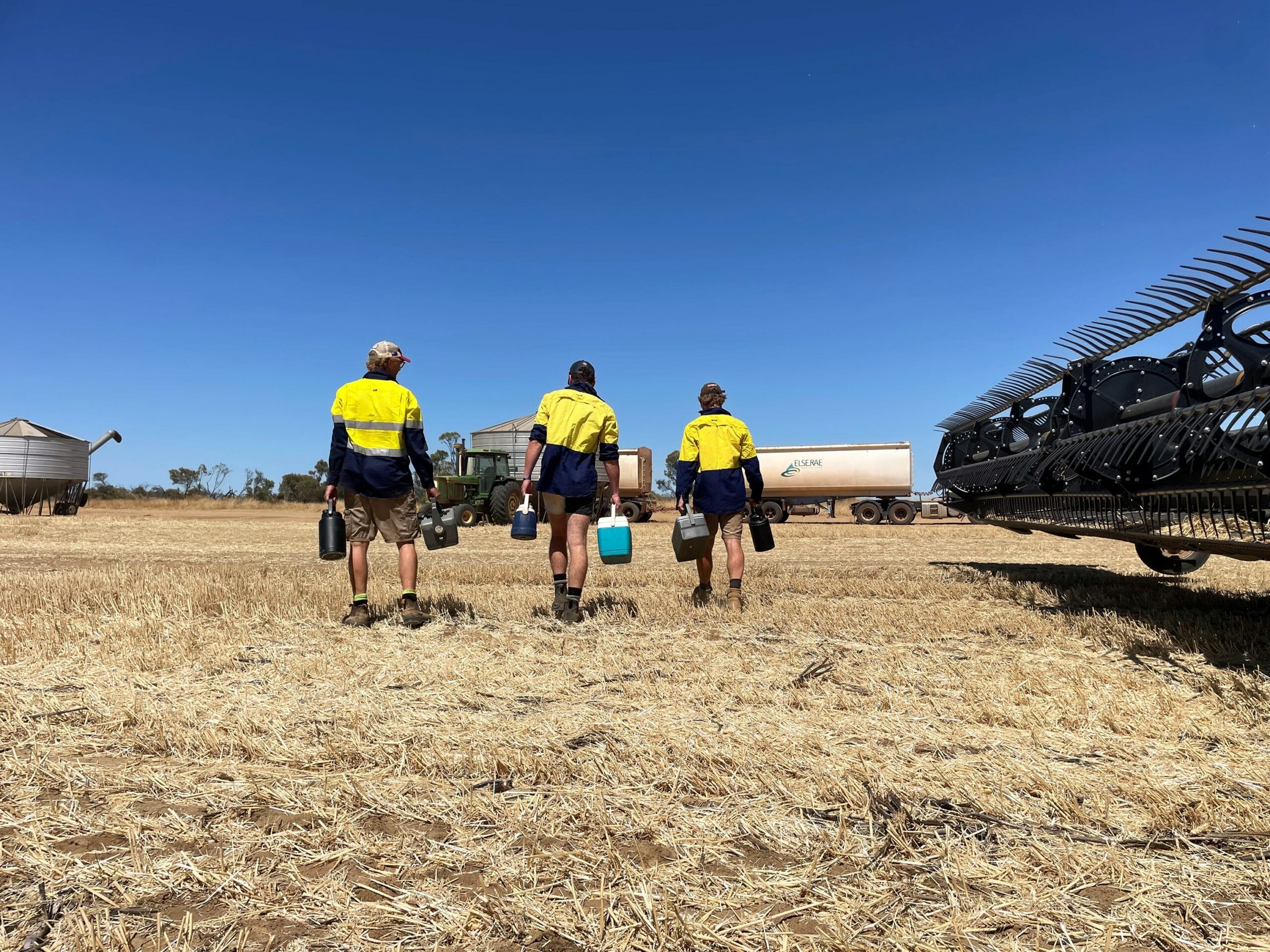
Visa delays and paused working holiday applications are adding pressure ahead of WA’s grain harvest. With seasonal workers harder to secure, getting every new starter onboarded, inducted and paid correctly matters.
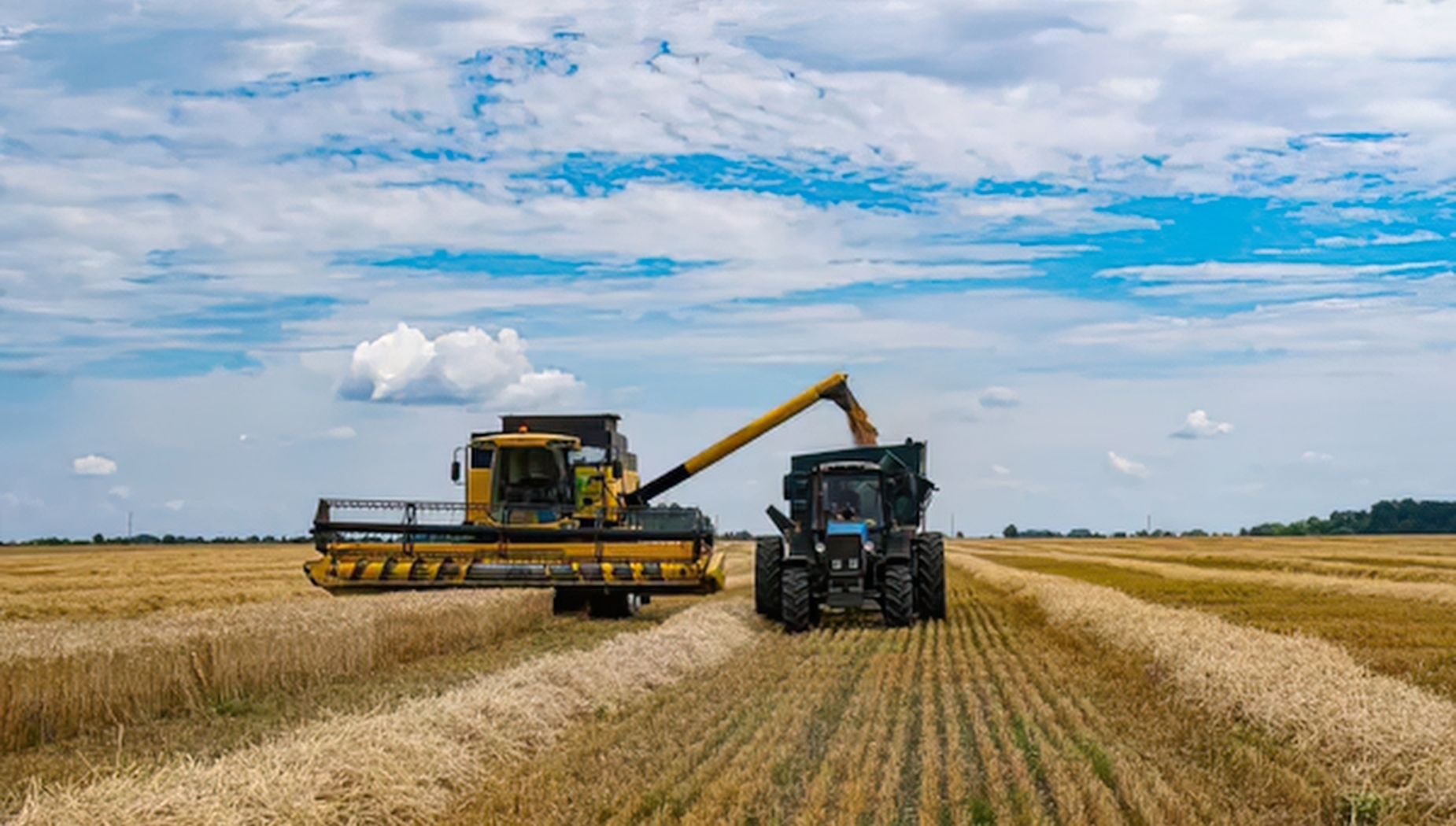
Harvest brings long hours, heavy machinery and increased safety risks. Our harvest safety guide covers what farms should consider to keep workers safe.

Reactive safety doesn't necessarily mean no safety system. More often, it means the system is no longer influencing how work is actually performed.
Managing who is on-site and ensuring they’ve been properly inducted is a key part of maintaining a safe and compliant workplace. We’ve introduced a new Visitor & Contractor Induction feature in ProcessWorxShield to make this process simpler, more consistent, and easier to manage. Where Inductions Often Fall Short Visitors and contractors are often

[…] pre-harvest toolbox meeting provides an opportunity to discuss the work ahead, key hazards and controls measures, machinery, […]