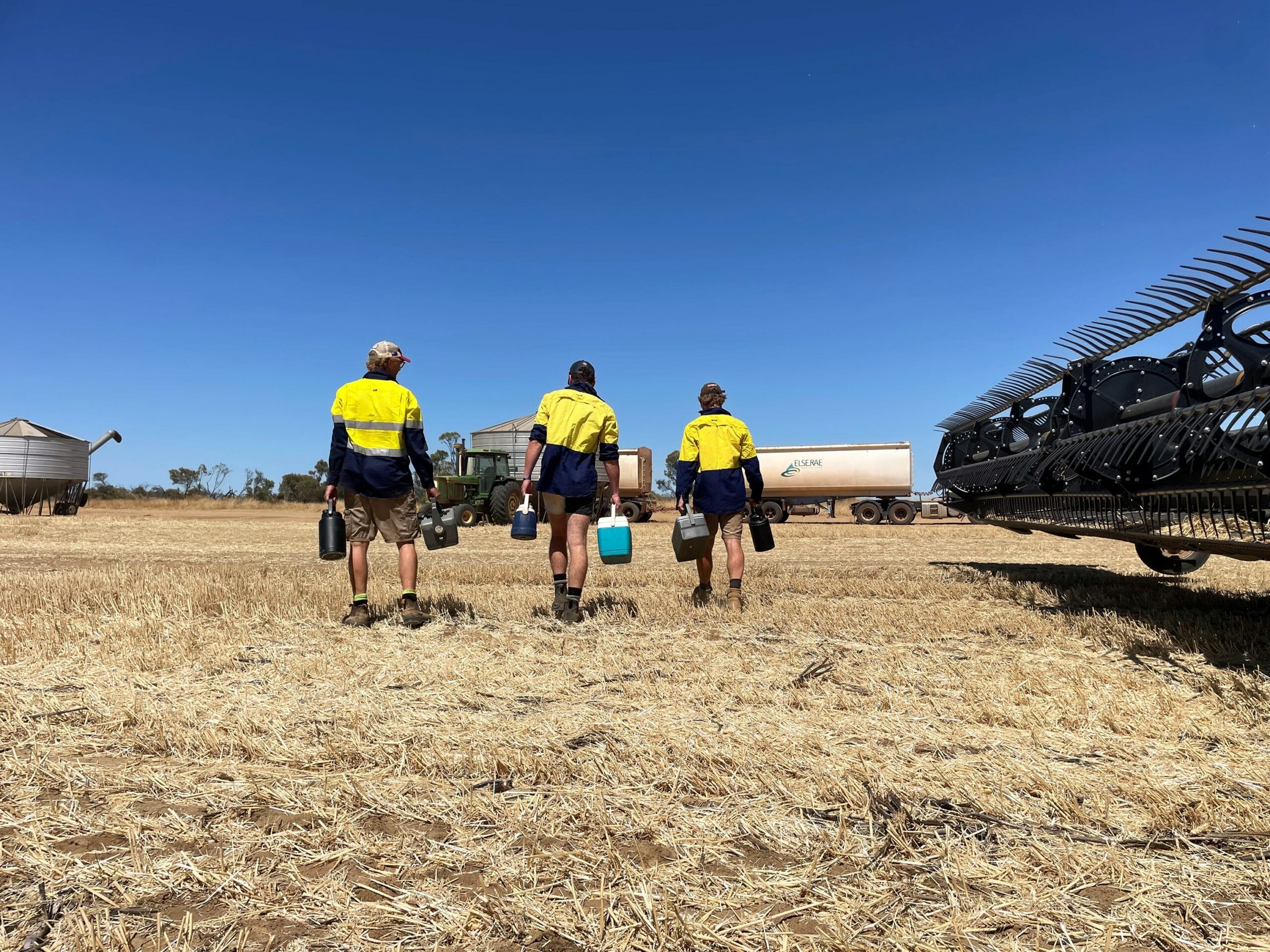
Visa delays and paused working holiday applications are adding pressure ahead of WA’s grain harvest. With seasonal workers harder to secure, getting every new starter onboarded, inducted and paid correctly matters.
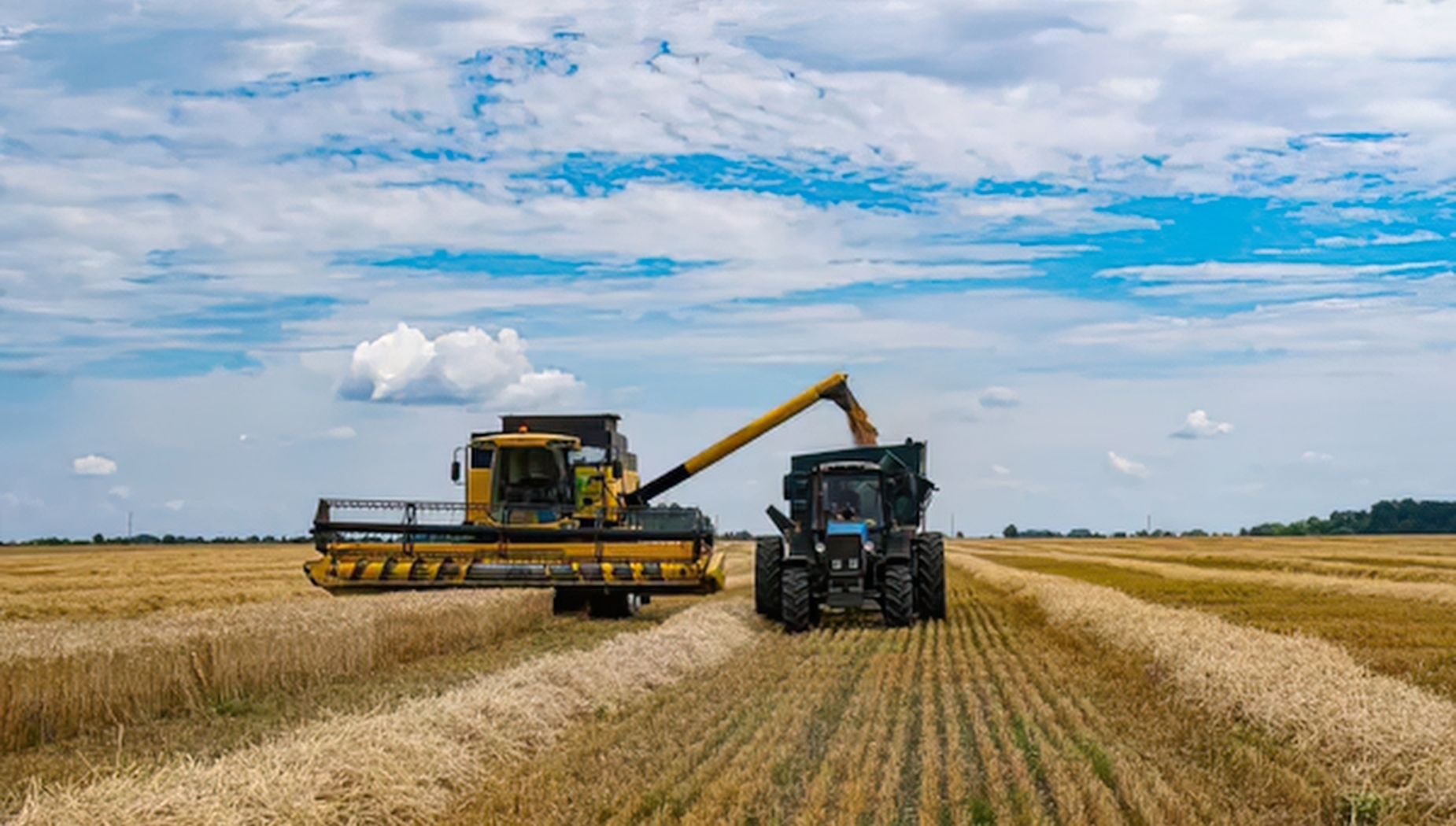
Harvest brings long hours, heavy machinery and increased safety risks. Our harvest safety guide covers what farms should consider to keep workers safe.

Reactive safety doesn't necessarily mean no safety system. More often, it means the system is no longer influencing how work is actually performed.
Managing who is on-site and ensuring they’ve been properly inducted is a key part of maintaining a safe and compliant workplace. We’ve introduced a new Visitor & Contractor Induction feature in ProcessWorxShield to make this process simpler, more consistent, and easier to manage. Where Inductions Often Fall Short Visitors and contractors are often
Many farms have a risk register in place but in practice, it’s common for the document to be completed once, filed away, and rarely referred to again. Recently, we worked with a client who did not know how to use a risk register, which created a significant gap in their safety systems. What
Summer brings long days, physical work, and challenging conditions for farm and agribusiness operations. Hot weather significantly increases safety risks, particularly heat stress, fatigue, dehydration, and reduced concentration. Under Australian Work Health and Safety (WHS) laws, farm businesses have a duty to eliminate or minimise risks to health and safety so far as reasonably practicable.
From spraying crops to treating livestock, most farms use hazardous chemicals as part of day-to-day operations. While these substances are often essential, they may come with serious health and safety risks, especially if they’re not handled or managed correctly. One of the biggest concerns with chemicals like pesticides, fungicides, herbicides and insecticides is that the

A worker at a hay processing plant in Western Australia, suffered severe injuries after being pulled into a cutting chamber.
Isolated work is a regular part of farm life however, it comes with serious risks, particularly when there’s no one nearby to help if something goes wrong. Risks of working remotely Working remotely increases the risk of: In some tragic cases, delayed response time has meant the difference between a close call and a fatality.
Seeding is one of the most demanding times of the year in Australian agriculture. With long hours, heavy machinery, fatigue risks, and chemical handling, workplace safety must be a priority to prevent injuries, costly downtime, and compliance breaches. Knowing how to keep workers safe during seeding not only ensures a smooth and safe season, it

