

A recent Federal Court decision has significantly impacted pay compliance for employers in Australia, requiring a review of how employees are paid and recorded.
While this decision only affects national system employers, it is still beneficial for state system employers to be aware of these developments, as it is common for the WA industrial relations system to adopt or mirror Fair Work Act interpretations over time.
Employers can no longer rely on annualised or averaged salaries to meet Award obligations. Instead, employees must now be “better off overall” in each individual pay period, not just across the year. This means top-up payments may be required if a flat rate or salary falls short in any given pay cycle.
For businesses that use flat rates, salaries, or set-off arrangements to simplify payroll, this is a critical shift that requires review.
How Can Employers Ensure Pay Compliance?
1. Make Sure Pay Complies in Every Pay Period
Every pay run must independently meet all Award entitlements, including:
- Overtime.
- Penalty rates.
- Allowances.
- Loadings.
Compliance can no longer be averaged across multiple weeks.
2. Review Flat Rates and Salaries: They May No Longer Cover Award Entitlements
If a flat rate or salary does not cover Award entitlements in a specific pay period, a top-up payment must be made as wages, not as a discretionary bonus.
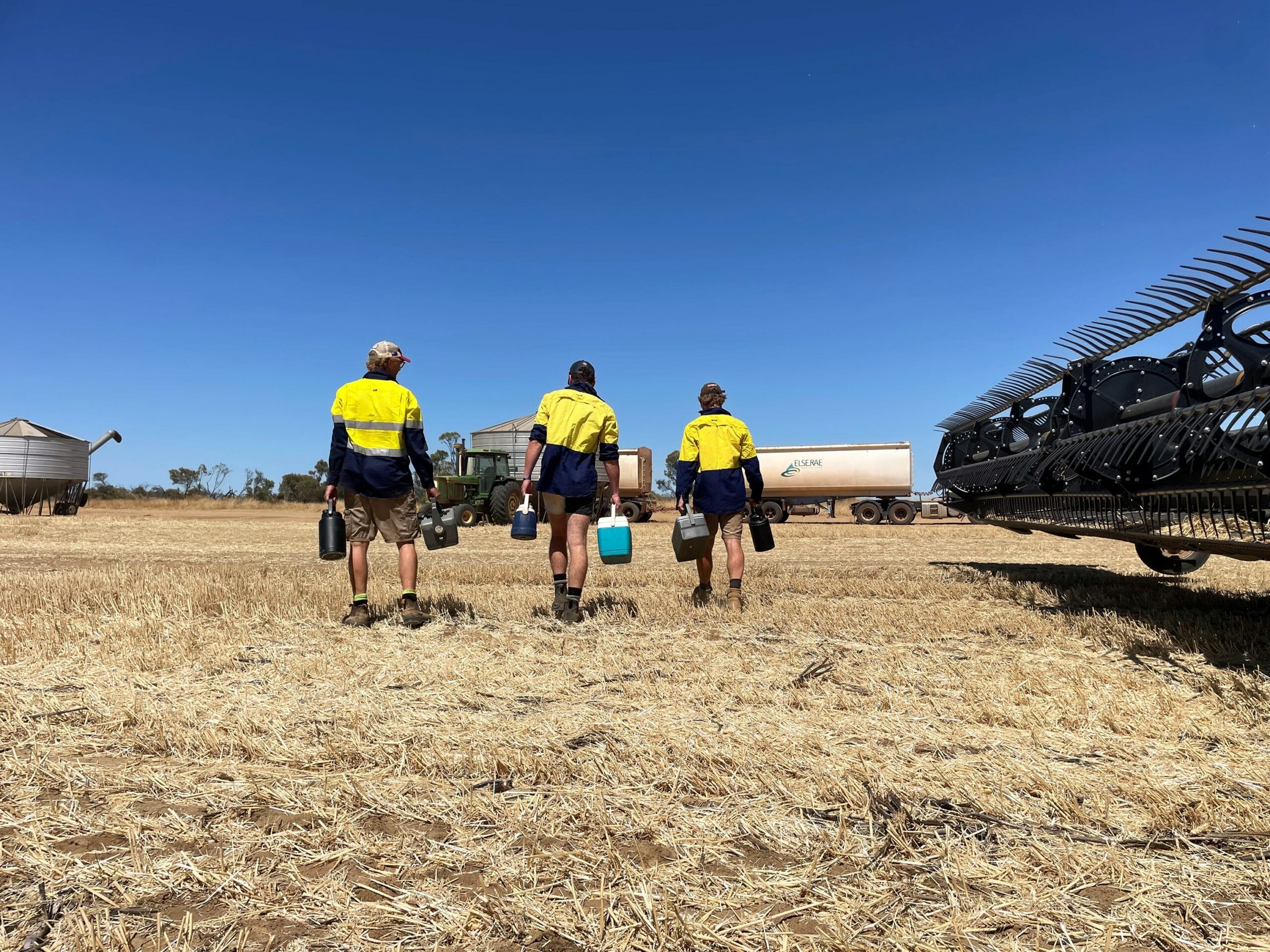
This is particularly relevant for farms with variable hours, long harvest shifts, or seasonal workload spikes.
3. Strengthen Your Record-Keeping: It Must Be Detailed and Defensible
Basic rosters or clock-in systems alone are not sufficient. Employers must keep records showing:
- All hours worked.
- Overtime.
- Allowances.
- Penalties.
- Breaks.
- Loadings.
If compliance cannot be demonstrated through records, it may be treated as non-compliance. In many cases, issues arise not from deliberate underpayment, but from systems that have not kept up with changing requirements.
4. Individual Flexibility Agreements (IFAs) Will Be Phased Out
IFAs are being removed and should no longer be relied upon to vary Award terms. Employers using IFAs will need to transition to compliant contract structures.
5. Update Employment Contracts to Reflect Current Requirements
Contracts should now:
- Include updated set-off clauses.
- Reflect current Award coverage.
- Align with the new pay-per-period compliance approach.
Outdated contracts increase the risk of underpayment claims and disputes.
6. Formalise Time Off in Lieu (TOIL) Arrangements: Informal Setups Are No Longer Enough
Time Off in Lieu arrangements must:
- Be in writing (verbal or informal TOIL arrangements are non-compliant).
- Be genuinely agreed upon.
- Comply with Award requirements.
7. Factor Leave into Overtime Calculations
Leave hours count toward overtime thresholds. Employees cannot be required to “make up” missed hours later to avoid overtime payments.
What are the risks if you don’t review your pay setup?
Failing to review your pay practices in line with these changes can expose your business to:
- Underpayment claims.
- Back-pay obligations.
- Penalties and legal action.
- Increased scrutiny from regulators.
- Employee disputes or complaints.
What Should You Do Next:
To manage risk and remain compliant, employers should:
- Review employment contracts to ensure correct Award coverage and entitlements.
- Audit payroll systems to confirm pay compliance per pay period.
- Upgrade record keeping ensuring all pay components are itemised and traceable.
- Consult with employees where updated agreements or contract changes are required.
- Seek financial or payroll advice where top-up payments or restructuring pay may be necessary.
How ProcessWorxAg Can Support You
If you’re unsure whether these developments affect your business or want to proactively review your pay structures and employment contracts, our team can help. Contact us on (08) 9316 9896 or get in touch.
You can also listen to our Let’s Chat HR & Safety podcast for practical insights from our industrial relations expert, Danii Wannberg.
Follow ProcessWorxAg on LinkedIn, Facebook, Instagram, YouTube, and the Lets Chat HR & Safety Podcast to keep up with the latest HR and Safety news.
STAY IN THE LOOP
Subscribe to our free newsletter.
Leave A Comment

A NSW employer faces court over an alleged visa holder underpayment of $93,000. Find out what the case means for farms employing migrant workers

A quad bike rollover on a WA farm highlights the importance of quad bike safety and simple measures to reduce the risk of serious injury.

A farm owner has been fined over an unguarded grain auger, highlighting the importance of machinery guarding and managing safety risks on-farm.
Visa delays and paused working holiday applications are adding pressure ahead of WA’s grain harvest. With seasonal workers harder to secure, getting every new starter onboarded, inducted and paid correctly matters.

[…] where hours can vary. We published an article to help employers with these changes, check it out here. If you’re unsure how these changes apply to your business, or whether your current pay setup […]
[…] Article: Major Pay Compliance Changes |What Employers Need to Know […]