
The best way to set your farm up for success is to ensure your people management approach is clear, consistent and compliant. Setting expectations, strengthening performance and keeping HR practices up to date are essential to getting the best from your team.
With ongoing changes to HR compliance requirements, farms and agribusinesses that maintain clarity in their systems are far better positioned to avoid issues and support strong performance. Our HR Checklist for Farms is designed to help you strengthen your HR processes to set your farm up for success.
-
Set Clear Expectations
Strong performance starts with clarity. When employees understand what’s expected of them, they’re more confident, productive, and engaged.
Ensure you:
- Confirm role responsibilities and priorities.
- Set or refresh KPIs and performance goals.
- Explain how performance will be reviewed.
Clear expectations reduce misunderstandings and make performance management easier if issues arise later. They also give your team clear direction and ensure everyone is aligned on what success looks like.
-
Reset Performance Conversations
If you have any performance concerns left unresolved, take some time to address them.
Employers should:
- Follow up on any informal performance discussions.
- Complete or schedule probation and early-stage reviews for newer team members.
- Identify training or support needs.
- Set measurable improvement goals where required.
Equally important is recognising strong performance. Acknowledging effort and contribution helps reinforce positive behaviours and sets the tone for the year.
-
Make Sure Pay Practices Are Still Compliant
A Recent Federal Court decision has reinforced that employers must meet Award obligations each pay period, not just on average over the year. We have a range of resources to help you navigate these changes:
- ProcessWorx Client Webinar hosted by Senior IR Consultant, Danii Wannberg.
- Episode 22 of the Let’s Chat HR & Safety podcast.
- Article: Major Pay Compliance Changes |What Employers Need to Know
It’s important to:
- Confirm Award coverage and classifications.
- Check that payroll systems can identify any shortfalls per pay run.
- Ensure overtime, penalties, allowances and loadings are correctly accounted for.
- Review contracts to ensure they reflect current legal requirements.
- Ensure records are accessible and up to date.
Addressing this early avoids costly corrections later. Clean systems and accurate records are vital for compliance and people management. Accurate and consistent pay practices build trust with your team, reduce disputes, and support a more stable and productive workforce.
-
Invest in Capability
When employees feel supported and engaged, performance improves organically.
Take some time to:
- Identify skills gaps.
- Plan training and development activities.
- Review leadership capability.
- Schedule regular check-ins rather than waiting for annual reviews.
-
Review Employment Contracts & Role Fit
As businesses evolve, roles often change and contracts needed to be updated.
It is a good time to:
- Review employment types (casual, part-time, full-time).
- Ensure contracts reflect actual duties, hours and pay arrangements.
- Confirm set-off clauses and salary terms are still appropriate.
- Review contractor arrangements and ensure correct classification.
Clear contracts support performance by removing uncertainty around expectations and entitlements.
-
Review & Refresh Policies
Policies provide the framework that supports day-to-day decision-making, and workplace behaviors and performance.
Employers should:
- Review Codes of Conduct and workplace behavior standards.
- Ensure bullying, harassment and discrimination policies are current.
- Refresh Drug and Alcohol, and Social Media policies.
- Update induction materials for new starters.
With Respect@Work obligations requiring employers to actively prevent sexual harassment and sex-based harassment, policies must be clear, accessible and supported in practice.
-
Set the Tone for Success
How you start the year sets the tone for the months ahead. Clear expectations, fair pay practices, meaningful performance conversations, and consistent leadership all contribute to better outcomes.
Businesses that invest time in HR foundations early are better positioned to:
- Manage performance confidently.
- Retain good staff.
- Reduce disputes and compliance risks.
- Achieve sustainable growth.
Our HR Health Check provides a clear overview of your current HR compliance, highlighting gaps and priority areas that may require attention. You can check it out here.
If you’d like support implementing or reviewing performance frameworks, contracts, or HR systems for the year ahead, the ProcessWorxAg team can help. Contact us on 08 9316 or enquiries@processworx.com.au.
Check out our Agri-HR Package, designed specifically for the agricultural sector, giving you access to expert HR advice, smart systems, and ongoing support tailored to the unique needs of farms, stations, or any agri-business.
STAY IN THE LOOP
Subscribe to our free newsletter.
Leave A Comment
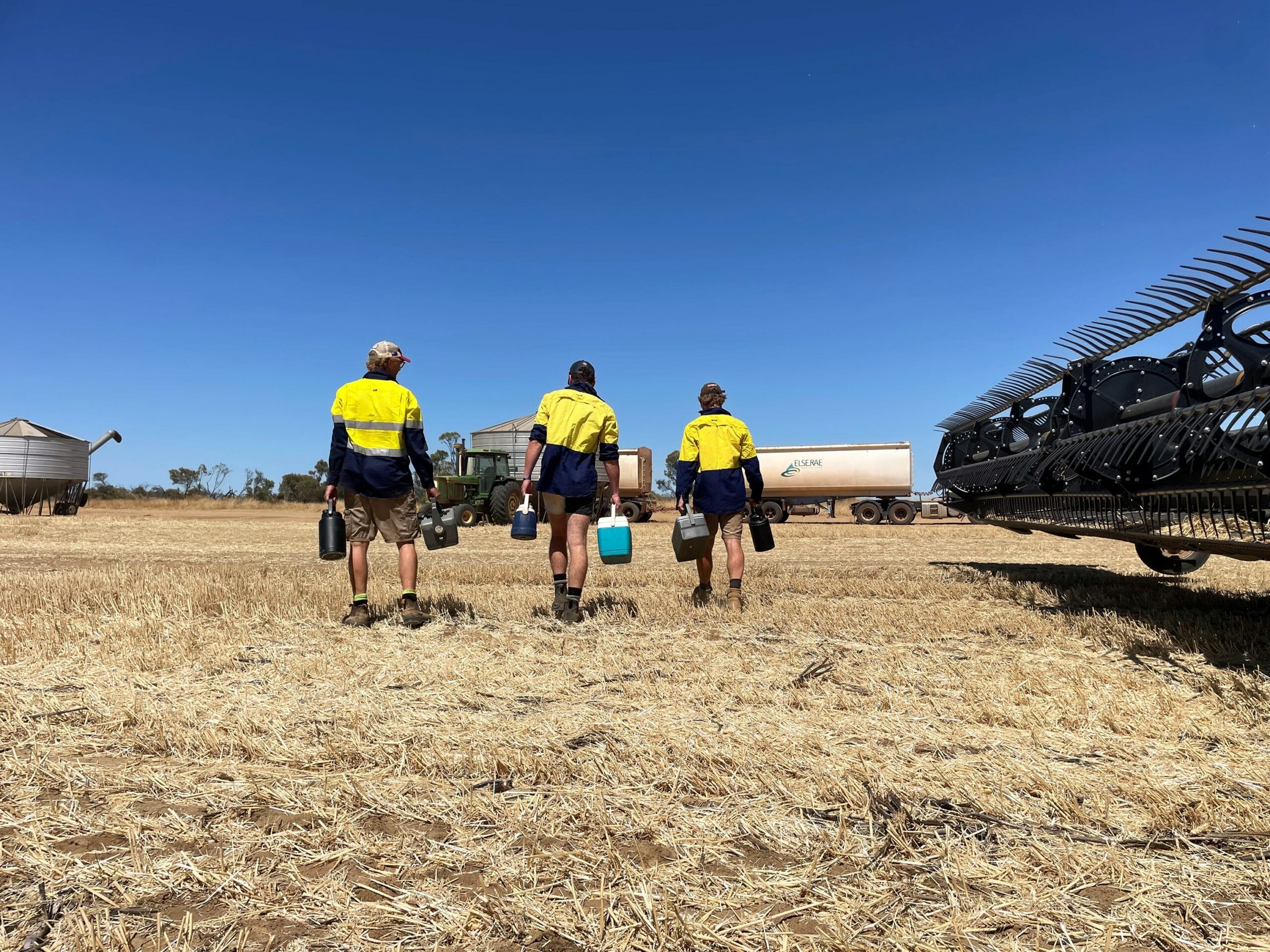
Visa delays and paused working holiday applications are adding pressure ahead of WA’s grain harvest. With seasonal workers harder to secure, getting every new starter onboarded, inducted and paid correctly matters.

Harvest recruitment is underway, and finding reliable seasonal workers can be challenging. Here are some strategies to help farms attract and retain the right people.
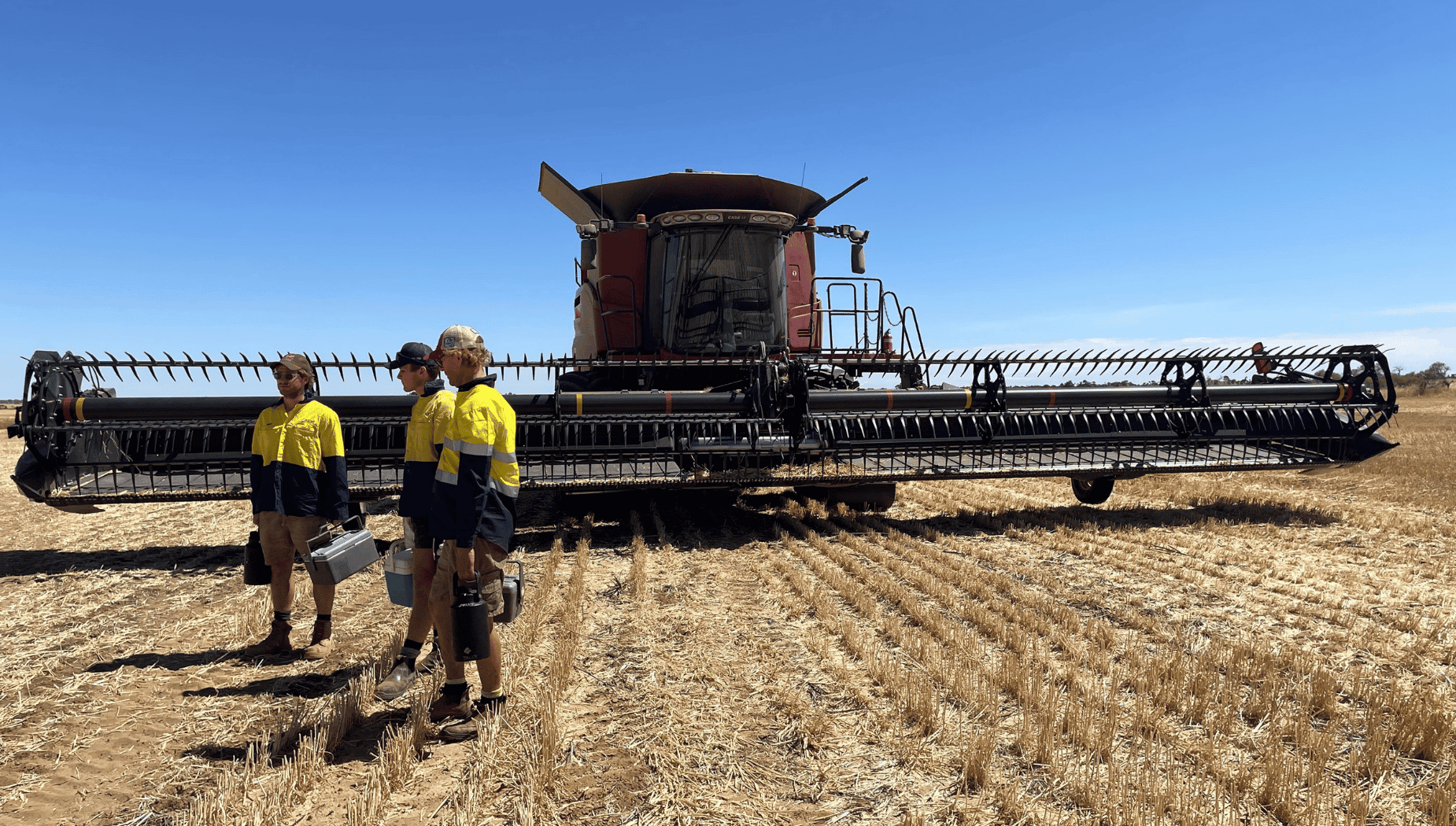
This HR guide for harvest covers some of the key areas farm employers should get in order - from recruitment and contracts to pay, onboarding and record keeping.
While pay remains important, it's not the only reason people stay or leave. There are several common factors that influence whether good workers remain with a business long-term.
