
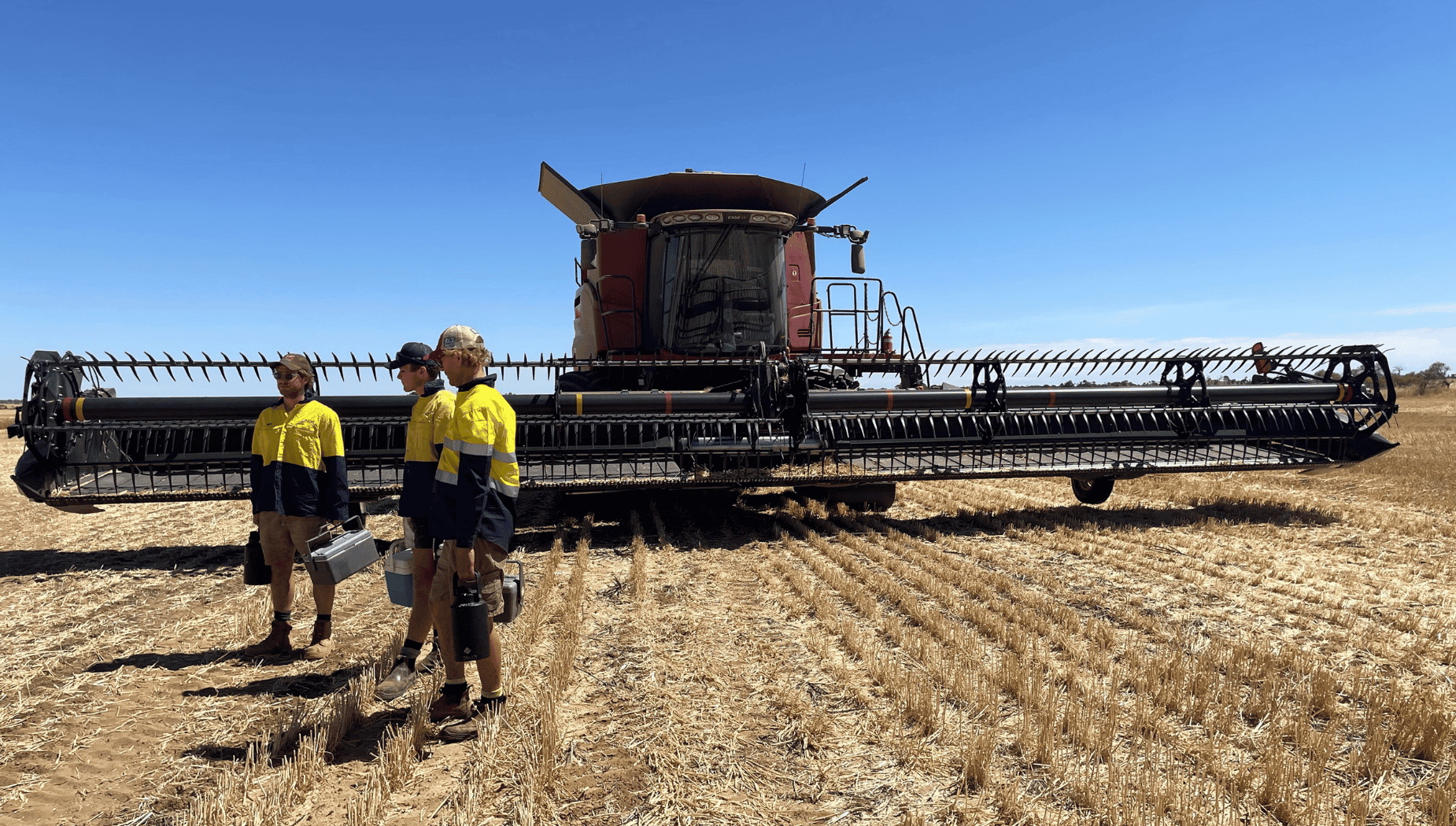
It’s no secret that harvest brings some big changes to your workforce and day-to-day operations. Seasonal workers come in, hours increase, contractors may be brought on board as required, and existing employees may pick up more responsibilities.
It’s much easier to sort out the HR side of that before harvest starts than once everyone is busy.
This HR guide for harvest covers some of the key areas farm employers should get in order before the busy period begins. From recruitment and contracts to pay, onboarding and record keeping, here are some of the areas worth getting in order now.
Start with the workforce you actually need
Before advertising jobs, work out what harvest is going to require.
How many people will you need? When will you need them? What skills are important, and who will supervise workers who are new or inexperienced?
It’s also worth looking at your existing team. Planned leave, availability, expected working hours and who can step into different roles, will all affect the gaps you need to fill.
Starting here gives you a much better recruitment brief than simply looking for extra hands when harvest is around the corner.
Allow time for recruitment
Experienced seasonal workers are in demand, and good recruitment can take time.
An up-to-date position description is a useful starting point. Be clear about the work involved, the skills and experience you need and any licences or qualifications required.
Then look beyond whether someone can technically do the job. Harvest means people are often working closely together for long days. Experience matters, but so do reliability, attitude and whether someone will work well with the rest of your team.
Get the employment details right
Before someone starts, establish how they will be employed and get the documentation in place.
Is the employee permanent, casual or fixed term? Which Award applies? What is their correct classification?
For many farm employees, the Pastoral Award may apply, but this should be checked rather than assumed. Contracts should reflect the actual employment arrangement, and employees should receive the required Fair Work information statements.
Check pay against harvest hours
An employee’s pay might look fine during their normal working pattern. Harvest can change the calculation.
Longer days and different working hours may bring overtime, penalty rates, allowances, minimum engagements, public holiday entitlements or other Award provisions into consideration.
This is particularly important for employees paid a salary or flat hourly rate. A rate that covers Award entitlements during ordinary weeks may not cover what the employee would otherwise receive when harvest hours increase.
A Better Off Overall Test (BOOT) can compare what the employee is actually paid against the Award entitlements they would receive for the hours worked. Remember, that employees must now be paid appropriately per pay period, not just averaged out.
Don’t make new workers figure it out as they go
A new worker arriving at the busiest time of year already has plenty to learn.
Before they get started, complete their employment paperwork, explain their role and introduce their supervisor and key contacts. They should know how timesheets work, what is expected around attendance and communication, which workplace policies apply and who to speak to when they have a question or concern.
Workplace inductions and any required training should also occur before employees are expected to undertake the job.
Plan for longer hours
Harvest hours can look very different from the rest of the year.
Review expected rosters, overtime, breaks and availability beforehand and make sure employees know what may be required of them.
Importantly, there’s a safety side to this as well. Long hours and insufficient rest breaks can increase fatigue, particularly for employees driving, operating machinery or doing physically demanding work. Your approach to working hours and fatigue management needs to line up across HR and WHS.
Keep payroll and records on top of the hours
More people working more hours can make payroll messy surprisingly quickly.
Employees must know how to record their hours, supervisors need to know when and how to approve them, and payroll needs enough information to identify overtime, allowances and other entitlements.
Keep records up to date as harvest progresses. Trying to piece together six weeks of working hours afterwards is a job nobody needs.
Set expectations before there’s a problem
Harvest is not the ideal time to discover that a manager and employee have very different ideas about attendance, working hours or communication.
Talk about these things early. Employees should understand expectations around punctuality, timesheets, absences, workplace behaviour and following farm policies and procedures.
Managers also need to know how to respond when an issue comes up and when they should ask for HR advice.
And think about next harvest
If you find a great seasonal worker, don’t wait a year before thinking about them again.
A good experience, fair pay, clear communication and recognition can all influence whether someone wants to come back. Harvest can also show you which existing employees are ready to take on more responsibility. (Learn more about keeping good workers on farm here.)
Good people can be hard to find. When you find them, they’re worth keeping in touch with.
If you would like help getting your HR in order this harvest, contact us on (08) 9316 9896 or get in touch here.
Follow ProcessWorxAg on LinkedIn, Facebook, Instagram, YouTube, and the Lets Chat HR & Safety Podcast to keep up with the latest HR and Safety news.
STAY IN THE LOOP
Subscribe to our free newsletter.
Leave A Comment
Visa delays and paused working holiday applications are adding pressure ahead of WA’s grain harvest. With seasonal workers harder to secure, getting every new starter onboarded, inducted and paid correctly matters.
Harvest recruitment is underway, and finding reliable seasonal workers can be challenging. Here are some strategies to help farms attract and retain the right people.
While pay remains important, it's not the only reason people stay or leave. There are several common factors that influence whether good workers remain with a business long-term.
The Fair Work Commission has announced a 4.75% increase to the National Minimum Wage and all Modern Award minimum wage rates, effective from the first full pay period commencing on or after 1 July 2026. For many farms, the immediate focus will be updating pay rates from 1 July. However, the wage increase can
