
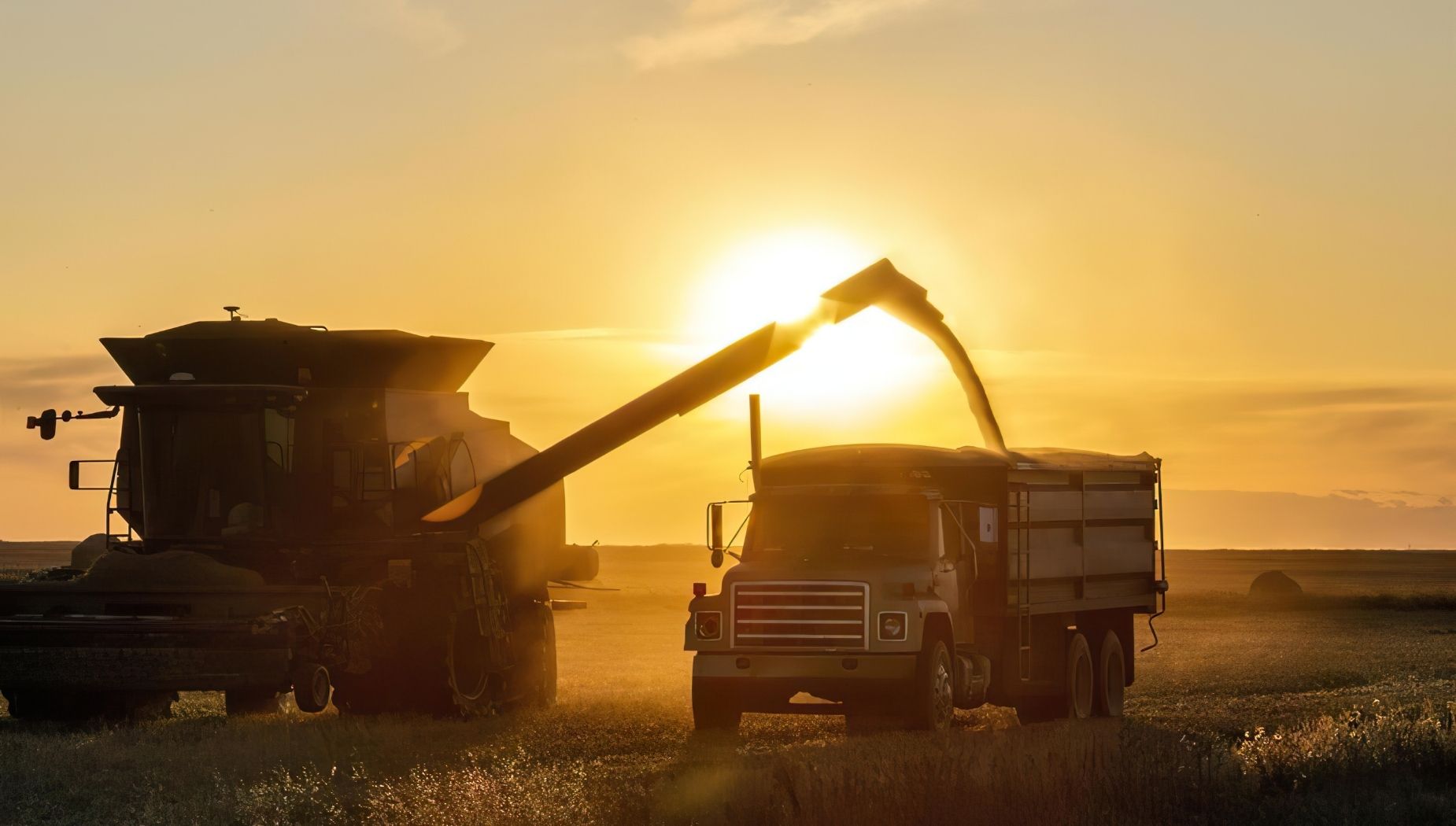
Finding good seasonal workers is an ongoing challenge for many farms.
Harvest roles aren’t always an easy sell. The work can involve long days, early starts, changing hours and physically demanding jobs, often for a defined period and in regional locations. Weather can change when work is needed, and farms are competing for workers at roughly the same time.
With harvest underway, finding reliable workers is becoming even more challenging for WA growers. Recent visa delays and paused working holiday applications have added further pressure, with concerns that worker shortages could affect WA’s grain harvest.
So, what can farms do to make the process a little easier?
Start Looking Before You Need Them
Seasonal recruitment often happens through local networks. Previous workers, neighbours, word of mouth, community groups and even conversations at the local pub can all lead to someone good. Whatever channels you use, starting early gives you more choice and more time to work out whether someone is actually suited to the role.
Think about what you need before you start looking. How many people? For how long? What jobs will they perform? Which skills or licences are essential, and what can reasonably be taught on the job?
If you’ve had good seasonal workers before, get in touch with them early too. A worker who already knows your farm, machinery and expectations can be very valuable when things get busy.
Check Who You’re Bringing On
A worker saying they’ve operated farm machinery before is a starting point, not the whole check.
Before someone begins, verify their identity, right to work in Australia and any licences required for the role. Where they will operate machinery or perform other higher-risk work, make sure their competency has also been verified. This becomes particularly important with a seasonal workforce. One worker might have years of broadacre experience, while another may be new to Australian agriculture altogether. Don’t assume the same induction or level of supervision will suit everyone.
Make the First Few Days Count
When harvest is approaching, there can be a temptation to get an extra pair of hands working as quickly as possible. They still need to know how your farm operates.
Complete inductions before work begins and clearly explain the hazards relevant to their role, safe work procedures, emergency arrangements and how to report an incident, hazard or equipment problem.
There are also the everyday expectations that are easy to overlook: who they report to, when they’re expected to work, how hours are recorded, who they contact if they’re running late or unavailable and where they go when they have a question.
A bit of time spent here can save plenty of confusion later.
Get the Employment and Pay Arrangements Right
Before a seasonal worker starts, establish the employment arrangement, applicable Award and classification and make sure the appropriate employment documentation is in place. Don’t assume every farm employee automatically falls under the same Award. Coverage depends on the employer and the work being performed.
Pay also deserves another look once harvest hours begin. Longer days, overtime, penalties and other Award entitlements can change what an employee should receive. This is particularly important where employees are paid a flat hourly rate.
A Better Off Overall Test (BOOT) can help determine whether the employee is receiving at least what they would have received under the applicable Award for the hours actually worked.
For broadacre farms using supported Pastoral Award classifications, the ProcessWorxAg BOOT Tool also allows employers to run their own pay scenarios as hours change throughout harvest. Learn more about our BOOT Tool.
Keep Talking Once Harvest Starts
Getting someone through the gate is only the beginning. Seasonal workers need ongoing communication, particularly as hours, weather and jobs change. Check in with new workers, make sure they understand what is expected and deal with problems early.
This matters for retention too. Good seasonal workers can be hard to find, and their experience this harvest will influence whether they want to come back for the next one.
You don’t need to roll out the red carpet. Clear communication, correct pay, decent onboarding and being organised go a long way.
Take Some of the Admin Out of Harvest
There’s already enough happening during harvest without chasing employment documents, incomplete inductions and missing worker information.
ProcessWorxShield can help manage worker inductions, employment information and HR and WHS requirements in one place. Our team can also assist with employment arrangements, Award coverage, BOOTs and HR administration where you need an extra hand getting workers set up. If you’re struggling to find workers, you can learn more about our recruitment services here.
Struggling to Get Your Harvest Workforce Ready?
Speak with a ProcessWorxAg HR Advisor on (08) 9316 9896 or get in touch for support getting your people and employment arrangements ready for harvest.
Follow ProcessWorxAg on LinkedIn, Facebook, Instagram, YouTube, and the Lets Chat HR & Safety Podcast to keep up with the latest HR and Safety news.
Sources
STAY IN THE LOOP
Subscribe to our free newsletter.
Leave A Comment
Comments are closed.
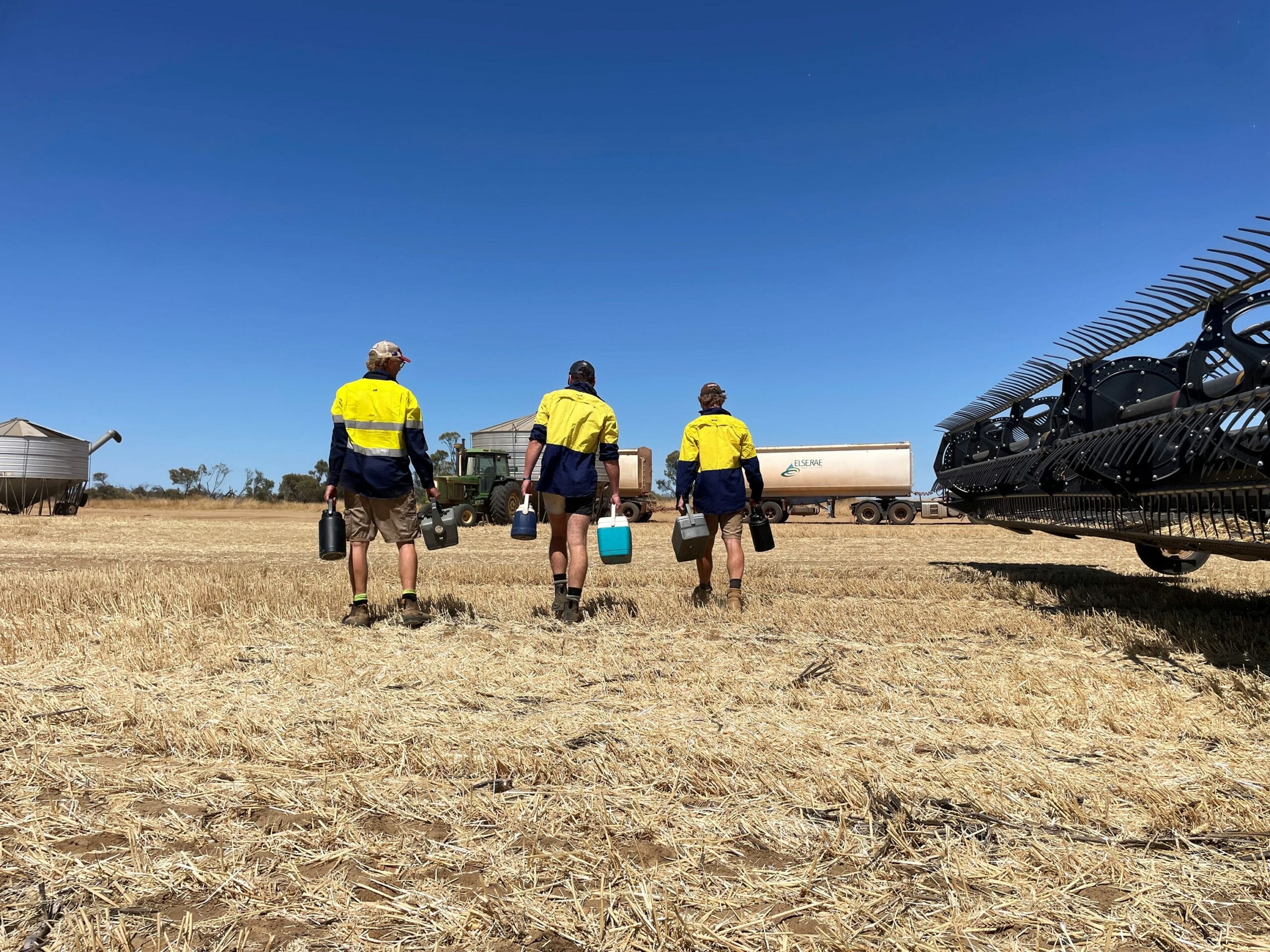
Visa delays and paused working holiday applications are adding pressure ahead of WA’s grain harvest. With seasonal workers harder to secure, getting every new starter onboarded, inducted and paid correctly matters.
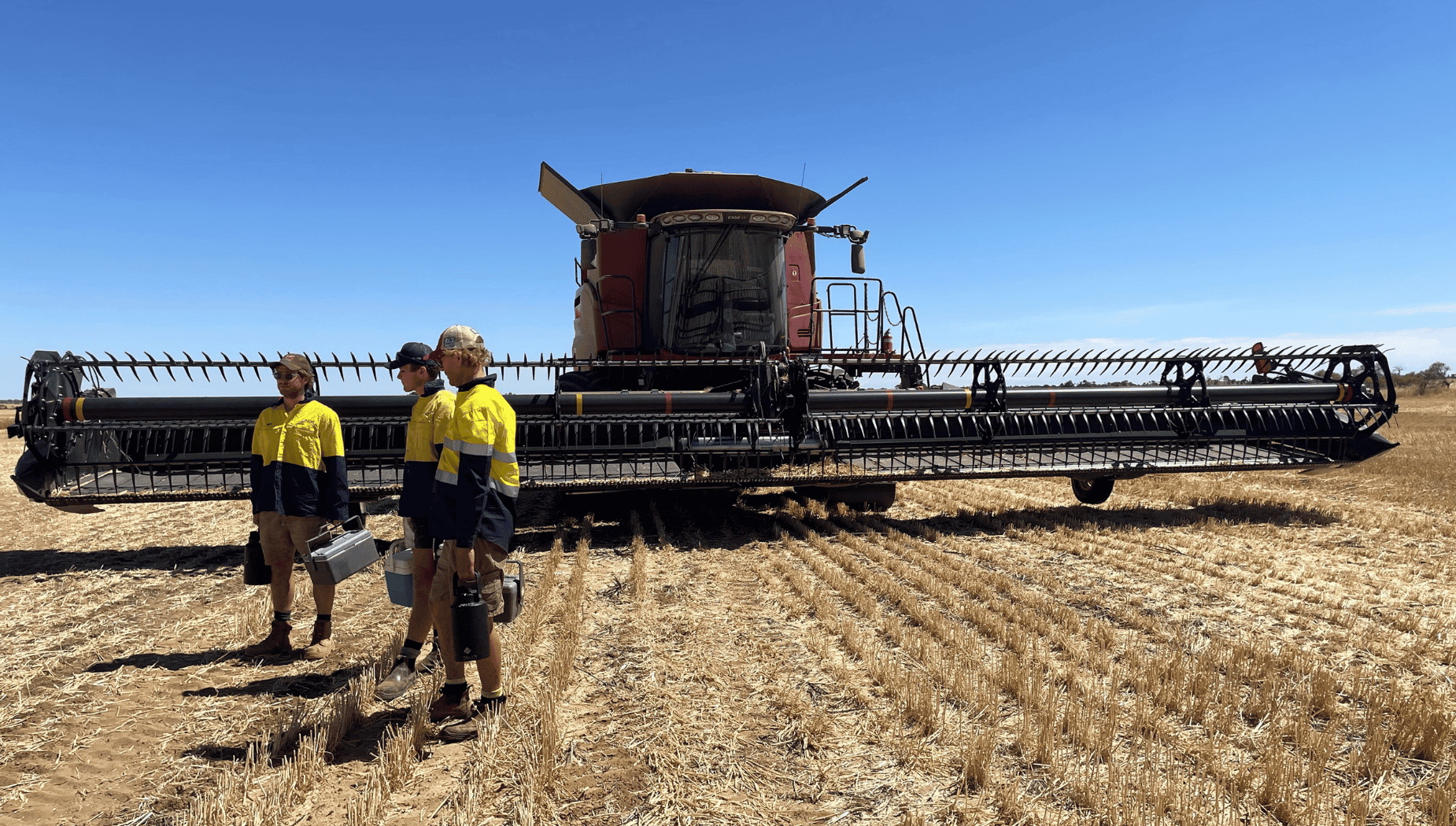
This HR guide for harvest covers some of the key areas farm employers should get in order - from recruitment and contracts to pay, onboarding and record keeping.
While pay remains important, it's not the only reason people stay or leave. There are several common factors that influence whether good workers remain with a business long-term.
The Fair Work Commission has announced a 4.75% increase to the National Minimum Wage and all Modern Award minimum wage rates, effective from the first full pay period commencing on or after 1 July 2026. For many farms, the immediate focus will be updating pay rates from 1 July. However, the wage increase can

[…] seasonal workers are in demand, and good recruitment can take […]