
Summer brings long days, physical work, and challenging conditions for farm and agribusiness operations. Hot weather significantly increases safety risks, particularly heat stress, fatigue, dehydration, and reduced concentration.
Under Australian Work Health and Safety (WHS) laws, farm businesses have a duty to eliminate or minimise risks to health and safety so far as reasonably practicable. This includes managing risks associated with extreme heat and hot working conditions.
When temperatures rise, strong safety systems and clear expectations are critical to keeping people safe and operations running smoothly.
- Recognise Heat as a Safety Hazard
Heat is a foreseeable workplace hazard in agriculture. Prolonged exposure to high temperatures can lead to:
- Heat stress and heat exhaustion.
- Dehydration.
- Fatigue and slower reaction times.
- Poor decision-making.
- Increased risk of incidents involving machinery, vehicles, and livestock.
Importantly, the effects of heat build-up over time, especially during consecutive hot days.
- Adjust Work Practices on Hot Days
One of the most effective ways to manage heat risk is to adjust how and when work is done. On hot days, employers should consider:
- Starting earlier and finishing earlier where possible.
- Rotating physically demanding tasks.
- Scheduling high-risk or heavy work for cooler parts of the day.
- Slowing work pace when temperatures rise.
- Postponing non-essential tasks during extreme heat.
These adjustments are practical controls recognised by WHS regulators and help reduce the likelihood of heat-related illness or injury.
- Manage Fatigue During Extended Hot Periods
Hot conditions significantly increase fatigue thus businesses should:
- Monitor hours of work and consecutive long days.
- Ensure adequate rest breaks are taken.
- Avoid pushing productivity at the expense of safety.
- Watch for signs of fatigue, particularly in operators of plant and machinery.
Fatigue combined with heat is a common factor in serious farm incidents.
- Provide Water, Shade and Rest Breaks
Access to water, shade, and rest is an essential control. Employers should ensure:
- Cool drinking water is readily available.
- Workers are encouraged to drink regularly, not just at breaks.
- Shaded or cooled rest areas are provided.
- Breaks are increased during extreme heat.
- Check PPE and Clothing Expectations
Personal protective equipment (PPE) is essential on farms, but it must be suitable for hot conditions. Take the time to review:
- Whether PPE is appropriate for summer use.
- Whether lighter or breathable options are available.
- Clothing expectations that balance sun protection with heat management.
Where PPE is required, ensure workers understand why it’s necessary and how to manage heat while wearing it.
- Reinforce Inductions and Supervision
Summer often involves seasonal workers, returning staff, or people filling different roles. On hot days:
- Remind workers during toolbox talks of heat risks.
- Ensure new or young workers understand when to stop and report symptoms.
- Increase supervision during high-risk tasks.
- Check in regularly with workers who are working alone or remotely.
Clear supervision is particularly important when conditions are tough.
- Encourage Early Reporting of Heat Stress
Workers should know the early signs of heat stress and feel comfortable speaking up. Encourage reporting of:
- Dizziness or headaches.
- Nausea.
- Confusion or irritability.
- Muscle cramps.
- Excessive fatigue.
Early intervention can prevent serious injury or illness.
Hot weather is not a reason to lower safety standards, it is a time when safety systems must be applied most rigorously.By planning ahead, adjusting work practices, and supporting workers through hot conditions, farms and agri-businesses can reduce incidents, meet their WHS obligations, and protect their people during the toughest part of the season.
STAY IN THE LOOP
Subscribe to our free newsletter.
Leave A Comment
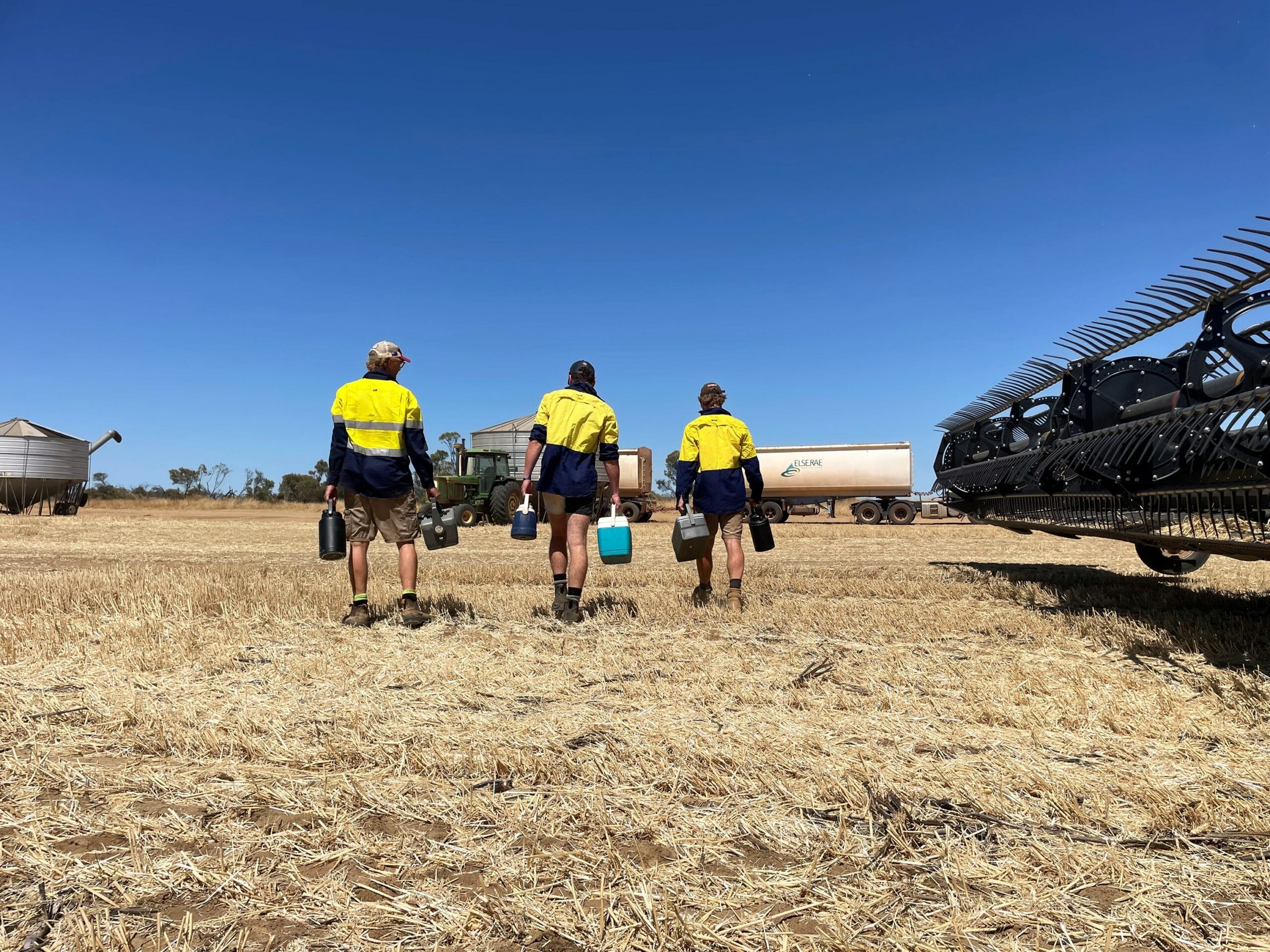
Visa delays and paused working holiday applications are adding pressure ahead of WA’s grain harvest. With seasonal workers harder to secure, getting every new starter onboarded, inducted and paid correctly matters.
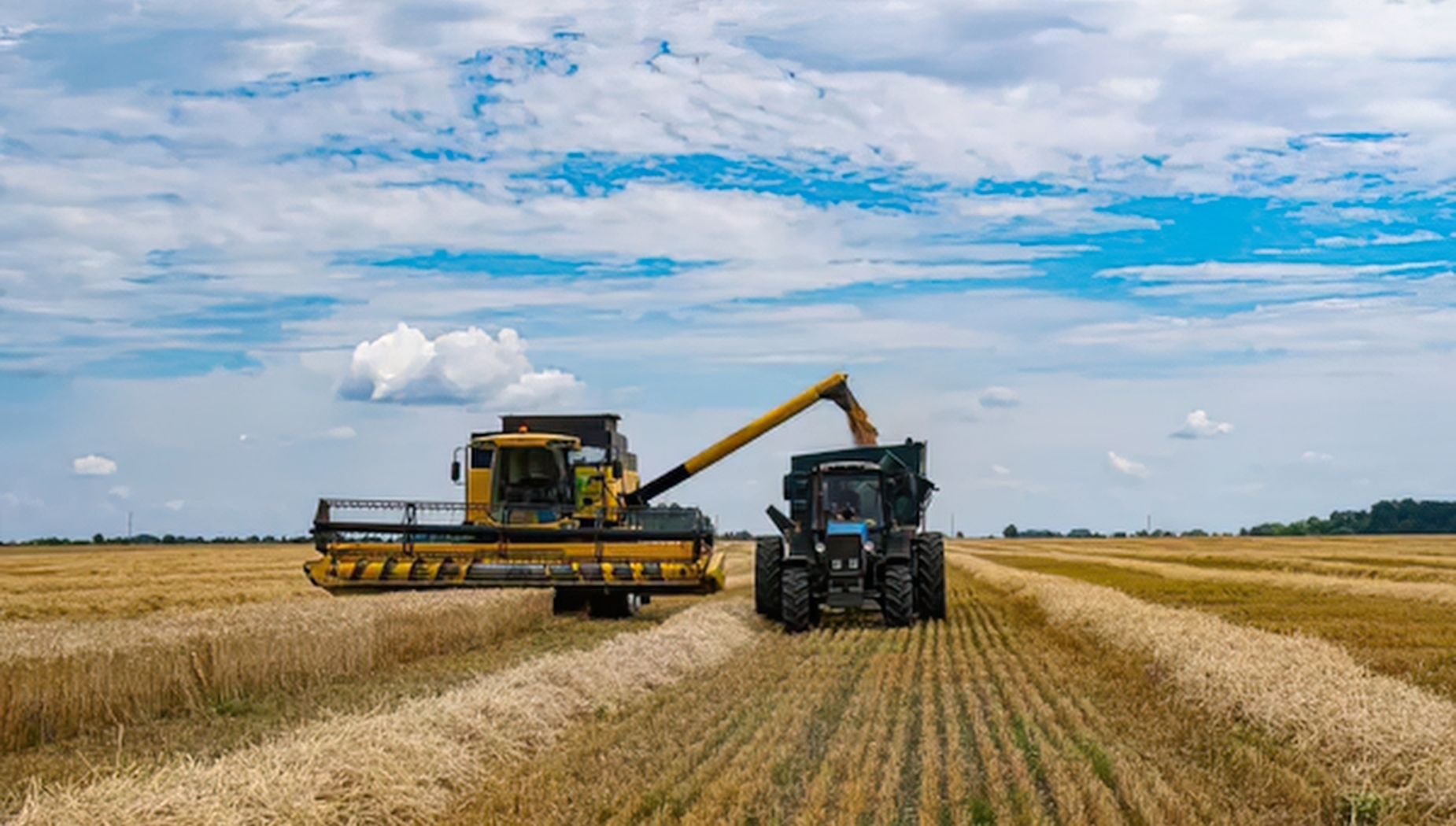
Harvest brings long hours, heavy machinery and increased safety risks. Our harvest safety guide covers what farms should consider to keep workers safe.

Reactive safety doesn't necessarily mean no safety system. More often, it means the system is no longer influencing how work is actually performed.
Managing who is on-site and ensuring they’ve been properly inducted is a key part of maintaining a safe and compliant workplace. We’ve introduced a new Visitor & Contractor Induction feature in ProcessWorxShield to make this process simpler, more consistent, and easier to manage. Where Inductions Often Fall Short Visitors and contractors are often
