

A worker at a hay processing plant in Western Australia, suffered severe injuries after being pulled into a cutting chamber while attempting to clear a blockage on an unguarded conveyor belt. Despite prior warnings from an external safety consultant in 2022 about the unguarded area, the company failed to act. The company’s omission resulted in a serious injury to a worker, leading to a $595,000 penalty. This incident serves as a costly reminder that ignoring safety recommendations can have serious personal, legal, and financial consequences.
The Importance of Acting on Known Hazards
Known hazards, whether identified by industry standards, workers, contractors or through other means, are to be investigated as they are crucial insights aimed at minimising risk and preventing workplace incidents. Failure to address known hazards in a workplace exposes workers and others to the risk of serious injury, harm to health, and potentially death. Prosecution by WorkSafe exposes individuals and companies to serious legal consequences which may involve fines, and even jail time.
The Work Health and Safety Act 2020 (the WHS Act) requires persons conducting a business or undertaking (PCBUs) have a duty to eliminate or minimise risks to health and safety as far as is reasonably practicable. This includes acting on identified hazards and implementing recommended controls.
Workers also have responsibilities to maintain by taking reasonable care for their own health and safety, taking care not to adversely affect the health and safety of others, comply with any reasonable instruction from the PCBU, and cooperate with any reasonable policy or procedure in relation to health and safety at their workplace.
Lessons From This Case
- Document and Review Identified Hazards: Maintain records of all hazards and risks, and the means of reducing them that have been implemented. Regularly review them to ensure that the hazards have been reduced, and that no new hazards have arisen as a result of the processes implemented.
- Implement Control Measures: Act promptly to address identified hazards. This may involve installing guards on machinery, providing adequate training, or updating safety procedures.
- Engage Workers in Safety: Involve workers in safety discussions and advise them of their responsibility to report hazards or near misses. A collaborative approach fosters a strong safety culture.
- Regular Training and Updates: Provide ongoing training to ensure all workers are aware of safety procedures and understand the importance of following them.
- Monitor and Evaluate: Continuously assess the effectiveness of implemented safety measures and make necessary adjustments.
Farmers operating as a PCBU or a self employed person must ensure that they meet their Duty of Care obligations under the WHS Act. Failure to do so may expose workers and others to the risk of injury, harm to health or death. By proactively addressing safety concerns and implementing recommended measures, farm owners can create a safer work environment and avoid the devastating impacts of workplace incidents.
To discuss your farm’s safety systems, contact us on (08) 9316 9896 or get in touch here.
Follow ProcessWorxAg on LinkedIn, Facebook, Instagram, YouTube, and the Lets Chat HR & Safety Podcast to keep up with the latest HR and Safety news.
STAY IN THE LOOP
Subscribe to our free newsletter.
Leave A Comment

A NSW employer faces court over an alleged visa holder underpayment of $93,000. Find out what the case means for farms employing migrant workers

A quad bike rollover on a WA farm highlights the importance of quad bike safety and simple measures to reduce the risk of serious injury.
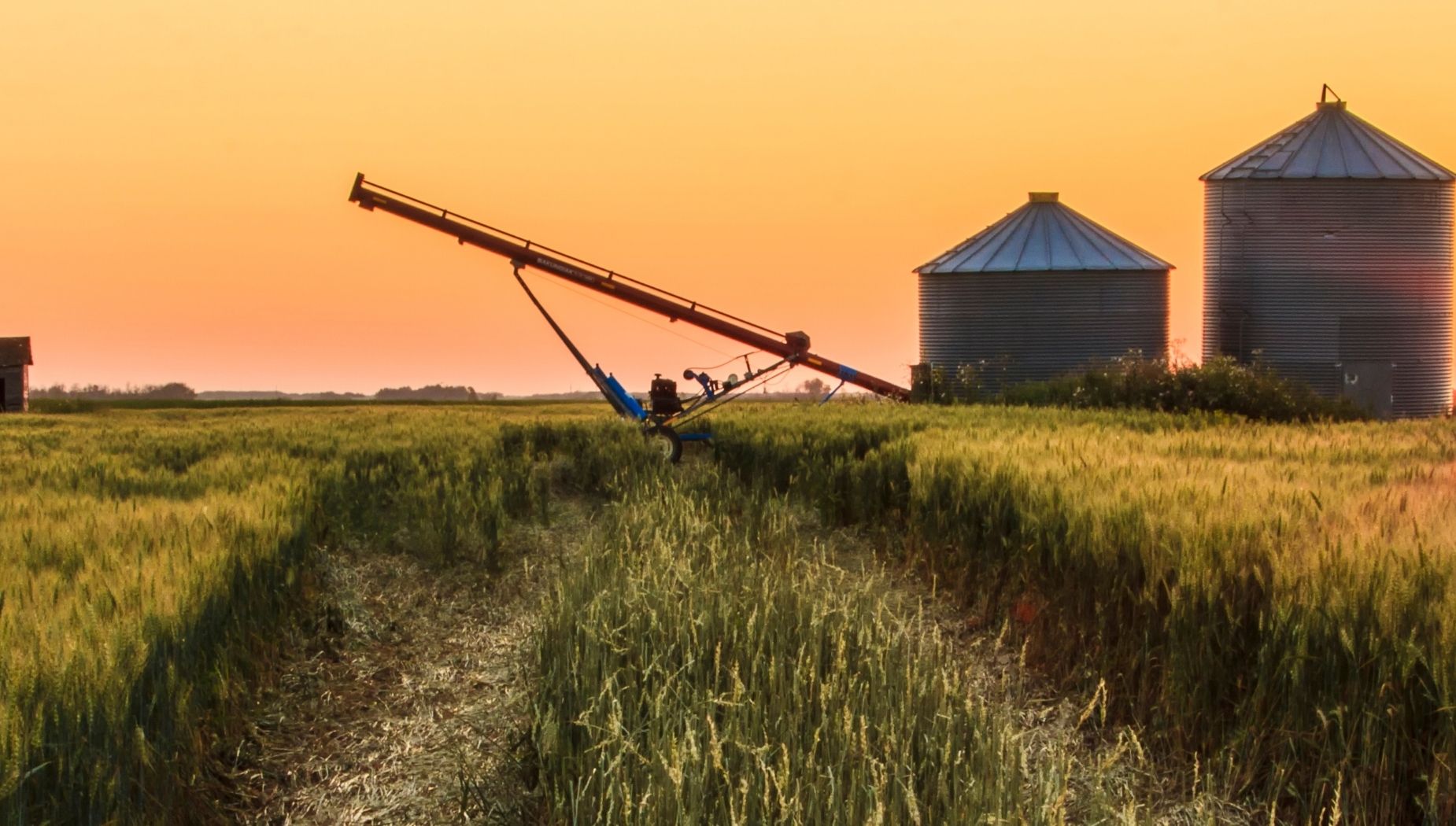
A farm owner has been fined over an unguarded grain auger, highlighting the importance of machinery guarding and managing safety risks on-farm.
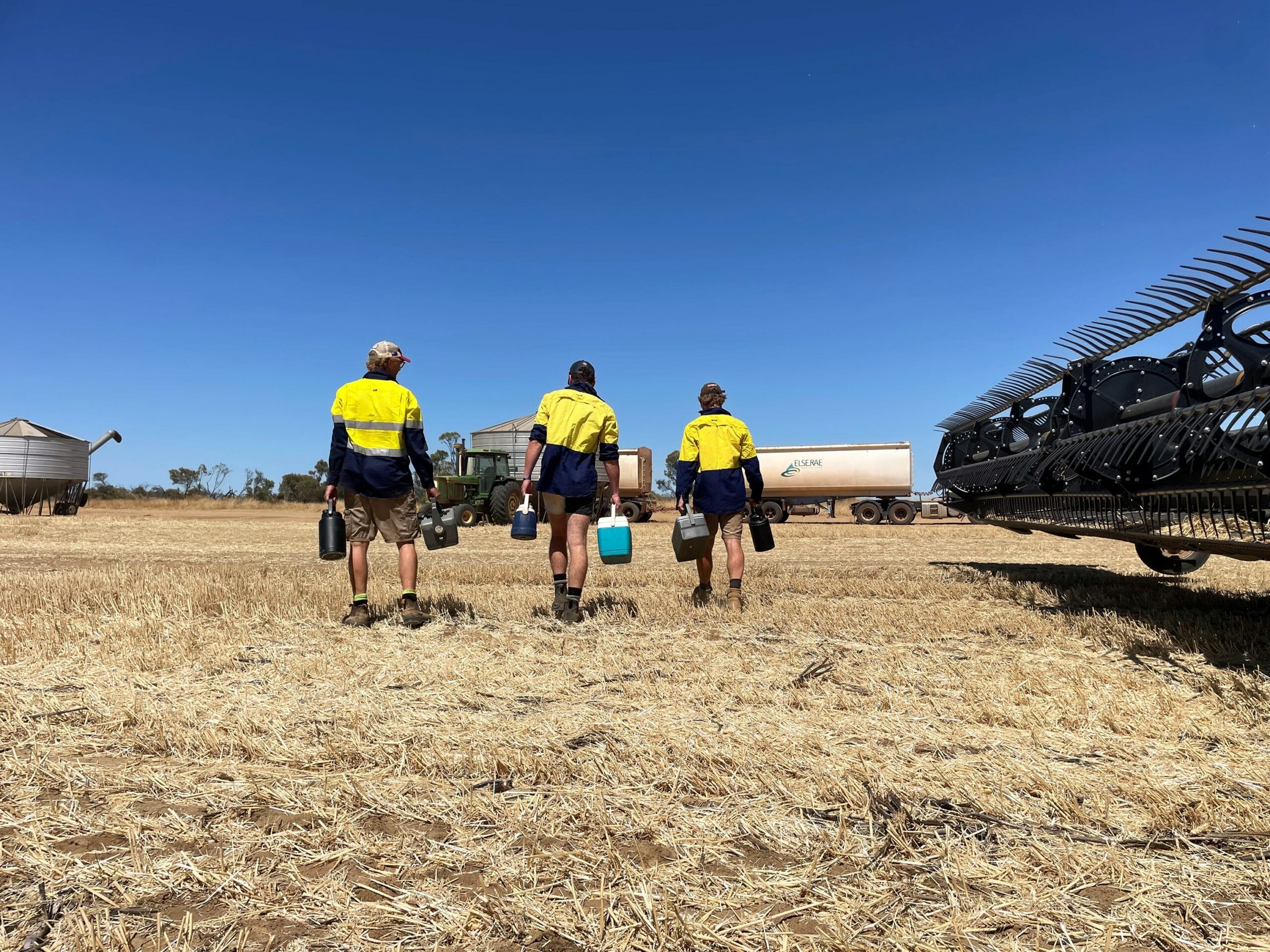
Visa delays and paused working holiday applications are adding pressure ahead of WA’s grain harvest. With seasonal workers harder to secure, getting every new starter onboarded, inducted and paid correctly matters.
