•  A recent Federal Court decision has significantly impacted pay compliance for employers in Australia, requiring a review of how employees are paid and recorded. While this decision only affects national system employers, it is still beneficial for state system employers to be aware of these developments, as it is common for the WA industrial relations

  • Seeding season is one of the busiest times in agriculture, with many farms relying on seasonal workers to meet labour demands. Temporary and casual employment is common during this period, and managing seasonal workers comes with specific HR compliance obligations. Failing to meet these requirements can lead to penalties, disputes, or operational disruptions. To ensure

  • Flexible work requests are becoming more common across farms and agribusinesses, particularly from parents and carers balancing family responsibilities alongside seasonal workloads. While flexibility can feel challenging in operational environments, recent decisions from the Fair Work Commission reinforce to employers must approach flexible work requests carefully, consistently, and with clear evidence to support any decision.

  • Summer brings long days, physical work, and challenging conditions for farm and agribusiness operations. Hot weather significantly increases safety risks, particularly heat stress, fatigue, dehydration, and reduced concentration. Under Australian Work Health and Safety (WHS) laws, farm businesses have a duty to eliminate or minimise risks to health and safety so far as reasonably practicable.

  • The best way to set your farm up for success is to ensure your people management approach is clear, consistent and compliant. Setting expectations, strengthening performance and keeping HR practices up to date are essential to getting the best from your team. With ongoing changes to HR compliance requirements, farms and agribusinesses that maintain clarity

  • From spraying crops to treating livestock, most farms use hazardous chemicals as part of day-to-day operations. While these substances are often essential, they may come with serious health and safety risks, especially if they’re not handled or managed correctly.  One of the biggest concerns with chemicals like pesticides, fungicides, herbicides and insecticides is that the

  • In January 2023, a worker at a hay processing plant in Western Australia, suffered severe injuries after being pulled into a cutting chamber while attempting to clear a blockage on an unguarded conveyor belt. Despite prior warnings from an external safety consultant in 2022 about the unguarded area, the company failed to act. The company’s

  • Many farms bring in additional workers throughout the year to assist with tasks such as fencing, harvesting, or livestock handling. These individuals might issue invoices and work under an ABN, but that alone does not determine whether they are legally considered an employee vs contractor. It’s essential to determine whether the nature of the engagement

  • Isolated work is a regular part of farm life however, it comes with serious risks, particularly when there’s no one nearby to help if something goes wrong. Risks of working remotely Working remotely increases the risk of: In some tragic cases, delayed response time has meant the difference between a close call and a fatality.

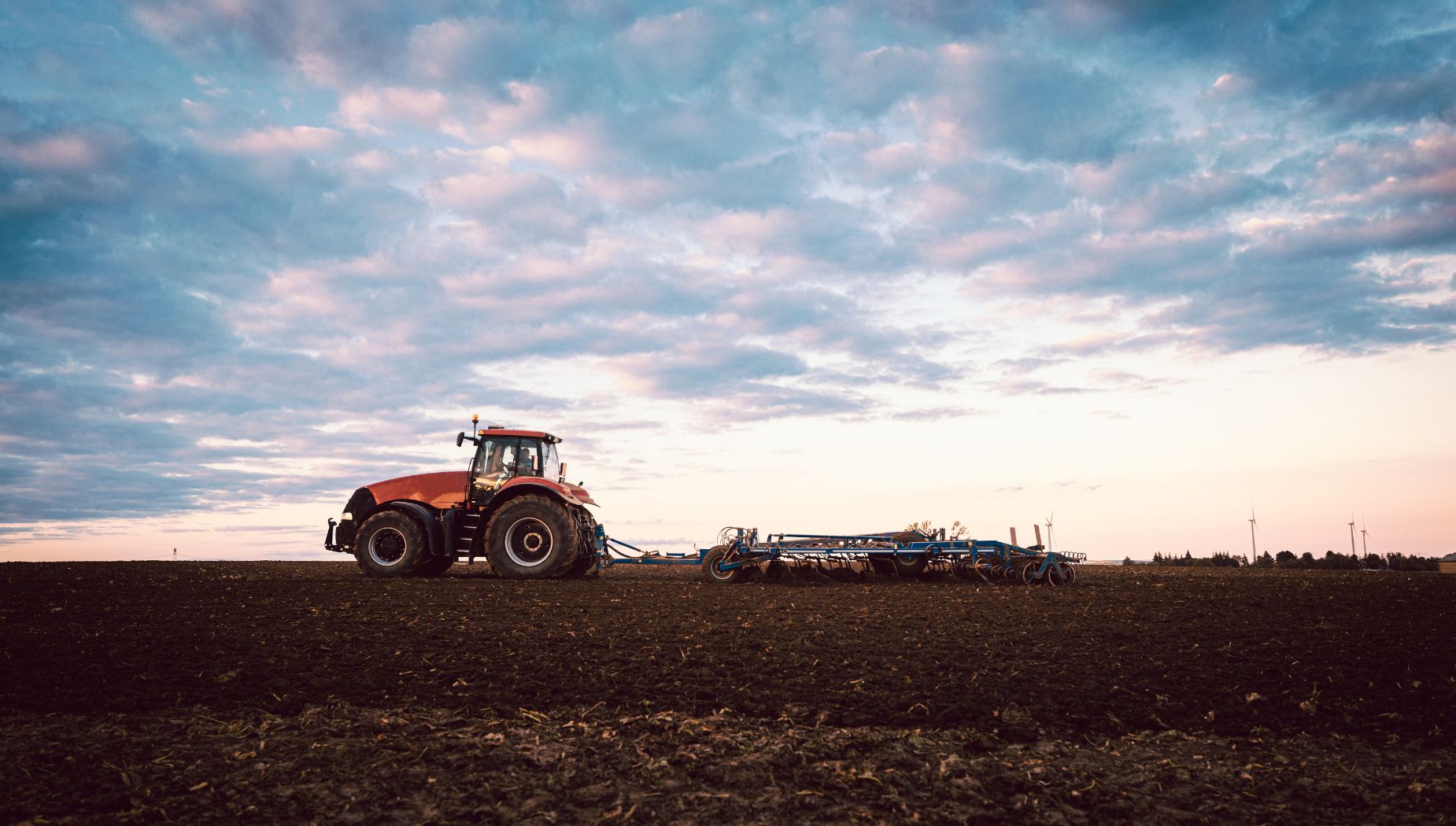
  • Seeding is one of the most demanding times of the year in Australian agriculture. With long hours, heavy machinery, fatigue risks, and chemical handling, workplace safety must be a priority to prevent injuries, costly downtime, and compliance breaches.   Knowing how to keep workers safe during seeding not only ensures a smooth and safe season, it