
Many employers assume paying above the Award is enough. A BOOT determines whether an employee is actually better off overall under their current pay arrangement.
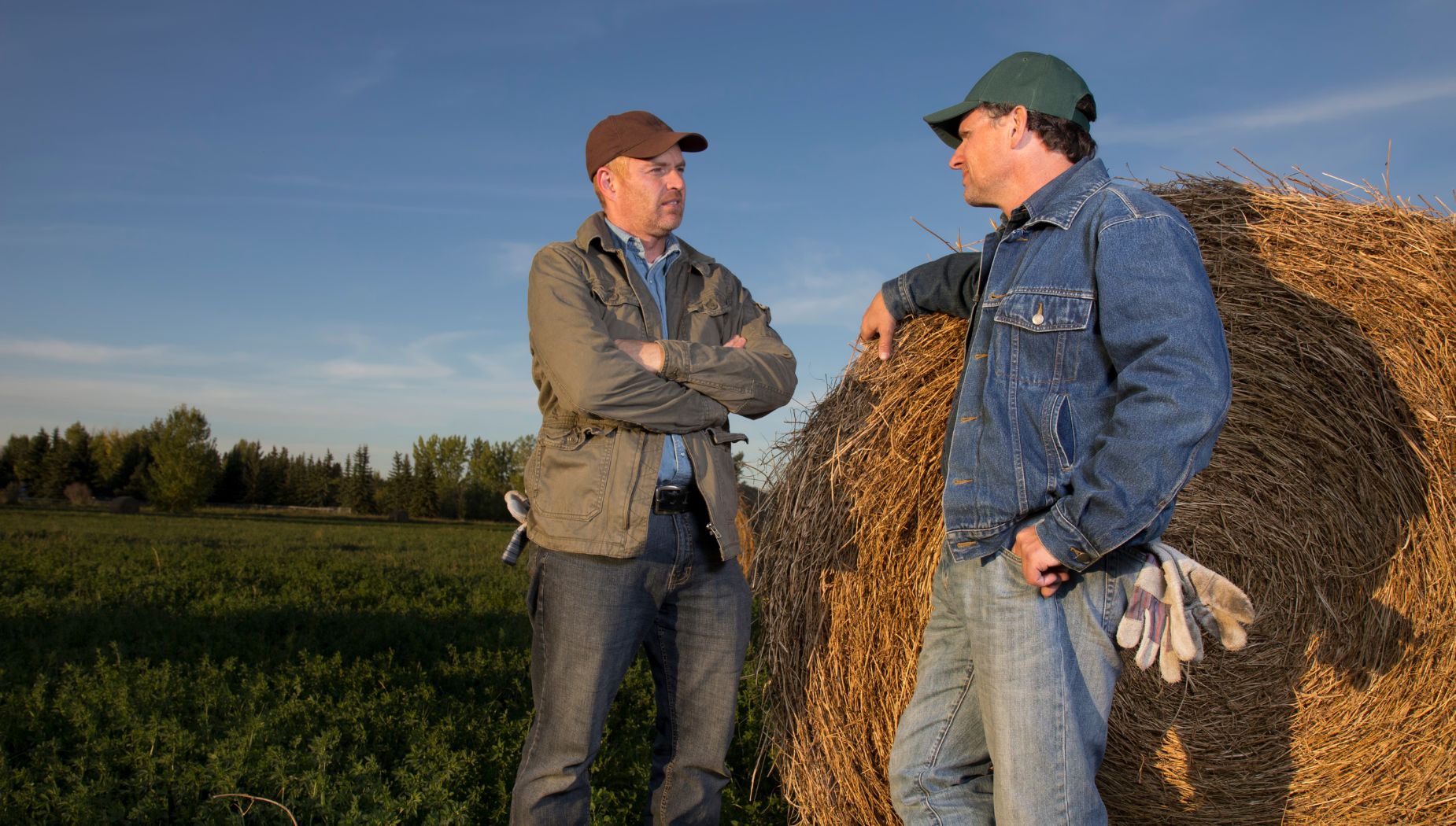
While pay remains important, it's not the only reason people stay or leave. There are several common factors that influence whether good workers remain with a business long-term.
For regular casual employees, reducing hours may carry more risk than many employers realise.

Performance management can be uncomfortable, but that doesn't make it unlawful. A recent Fair Work ruling shows where the line is drawn.
The Fair Work Commission has announced a 4.75% increase to the National Minimum Wage and all Modern Award minimum wage rates, effective from the first full pay period commencing on or after 1 July 2026. For many farms, the immediate focus will be updating pay rates from 1 July. However, the wage increase can

The Fair Work Commission has announced a 4.75% increase to the National Minimum Wage and all Modern Award minimum wage rates.

While the new Fuel Cost Recovery Order is directed at road transport contractual chains, many farms and agribusinesses may be impacted without realising it
Time Off In Lieu (TOIL) is often used on farms as a practical way to manage long hours during busy periods like seeding or harvest. In theory it’s simple, work overtime now and take time off later. In practice however, it’s one of the most common areas where things go wrong. How Informal
Managing staff during seeding is one of the biggest challenges for farms. With long hours and heavy workloads, it’s easy to focus purely on operations. However, your HR obligations as an employer do not change during seeding, in fact you may find yourself with more. Getting your HR foundations right before and during seeding

A recent Federal Court decision has significantly impacted pay compliance for employers in Australia, requiring a review of how employees are paid and recorded.

