
Many parents want to include their children in their farming lifestyle, often giving them tasks on the farm. However, children living on farms are at a greater risk of injury or death than those who don’t. Below we have identified four of the most common hazards to children on farms, and preventative measures to help keep children safe on farms.
1. Water
In Australia, drowning is the leading cause of death in children under 15 years. There can be many different water hazards on farms that pose a drowning risk to children such as dams, creeks, tanks, ponds, dips, and irrigation ditches.
Preventative measures:
- Supervision is the most effective preventative measure.
- Restrict access by covering wells and pits with mesh, having access points latched, and ladders removed.
2. Vehicles and machinery
Due to children’s smaller size, they are at risk of injuries from being struck by vehicles. Children may not understand the risk of the moving parts of vehicles and machinery, resulting in entanglement.
Preventative measures:
- Children should only be allowed to ride on vehicles that are designed to carry passengers and have suitable restraints and are being used for low-risk activities.
- Children should never be passengers on quad bikes.
- Children should only be allowed to operate machinery, vehicles, or other farm equipment as appropriate for their age and size, in line with their training, and experience, and only if allowed for by the manufacturer.
- Appropriately fitting Protective Personal Protective Equipment (PPE) should be worn by children.
- Keep machinery and equipment locked and secured when not in use and keep keys in a safe location.
3. Chemicals
Children may not fully understand the dangers associated with farm chemicals or recognise hazardous substances.
Preventative measures:
- Store chemicals, pesticides, and hazardous materials in locked storage areas that are inaccessible to children.
- Keep chemicals in their original containers with clear labels and safety information.
- Regularly check for leaks, spills, or damaged containers.
- Follow regulations when disposing of chemical containers and waste.
4. Animals
Children may not understand different animals’ behaviors and the dangers posed.
Preventative measures:
- Teach children how to approach and interact safely with animals
- Actively supervise
- Ensure children understand the difference between pets and working animals
If you would like to learn how ProcessWorx can help your farm be safer, please contact us on 08 93169896 or enquiries@processworx.com.au.
Follow ProcessWorx on LinkedIn, Facebook, Instagram, YouTube, and Twitter to keep up with the latest HR and Safety news.
STAY IN THE LOOP
Subscribe to our free newsletter.
Leave A Comment
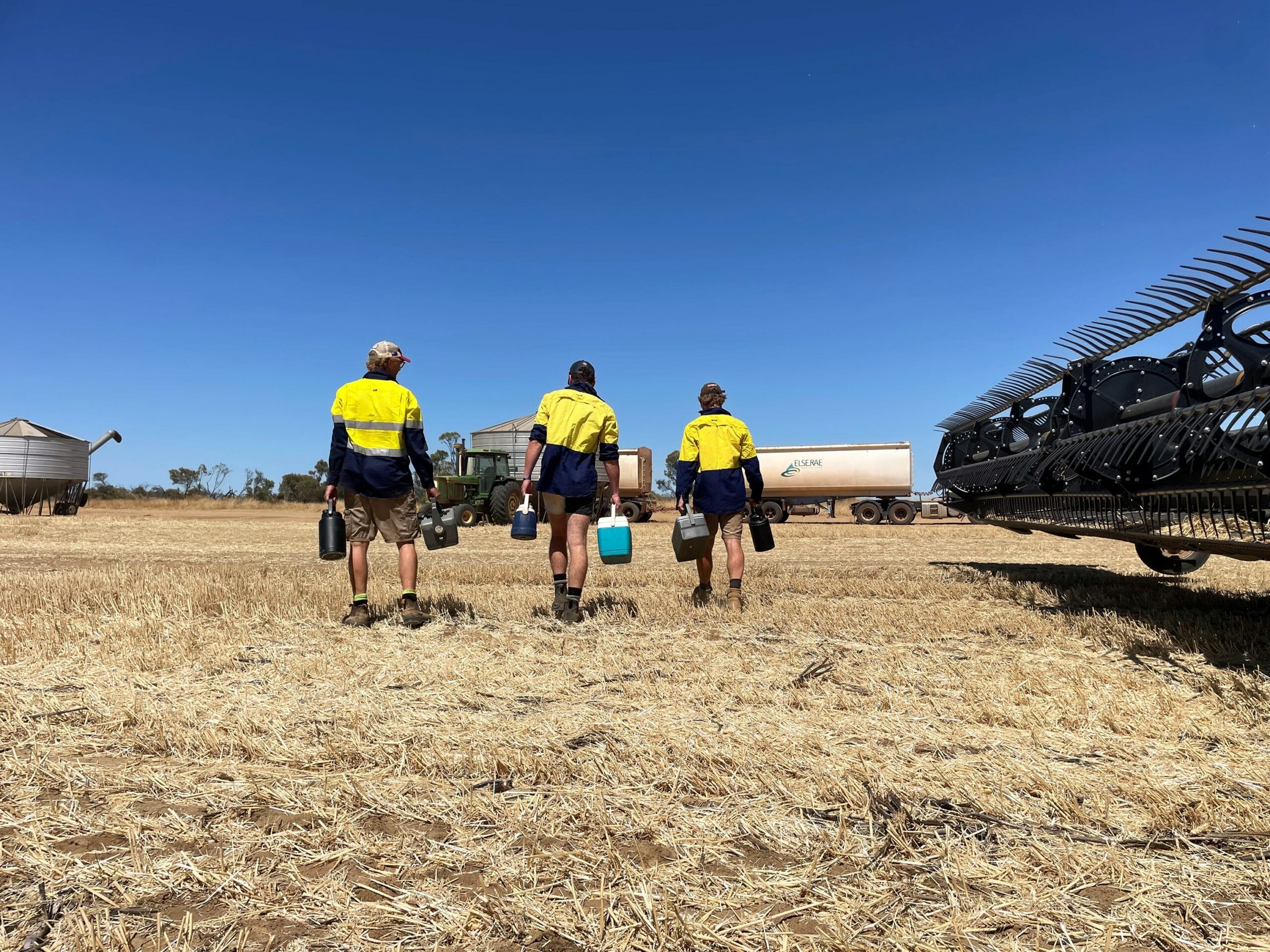
Visa delays and paused working holiday applications are adding pressure ahead of WA’s grain harvest. With seasonal workers harder to secure, getting every new starter onboarded, inducted and paid correctly matters.
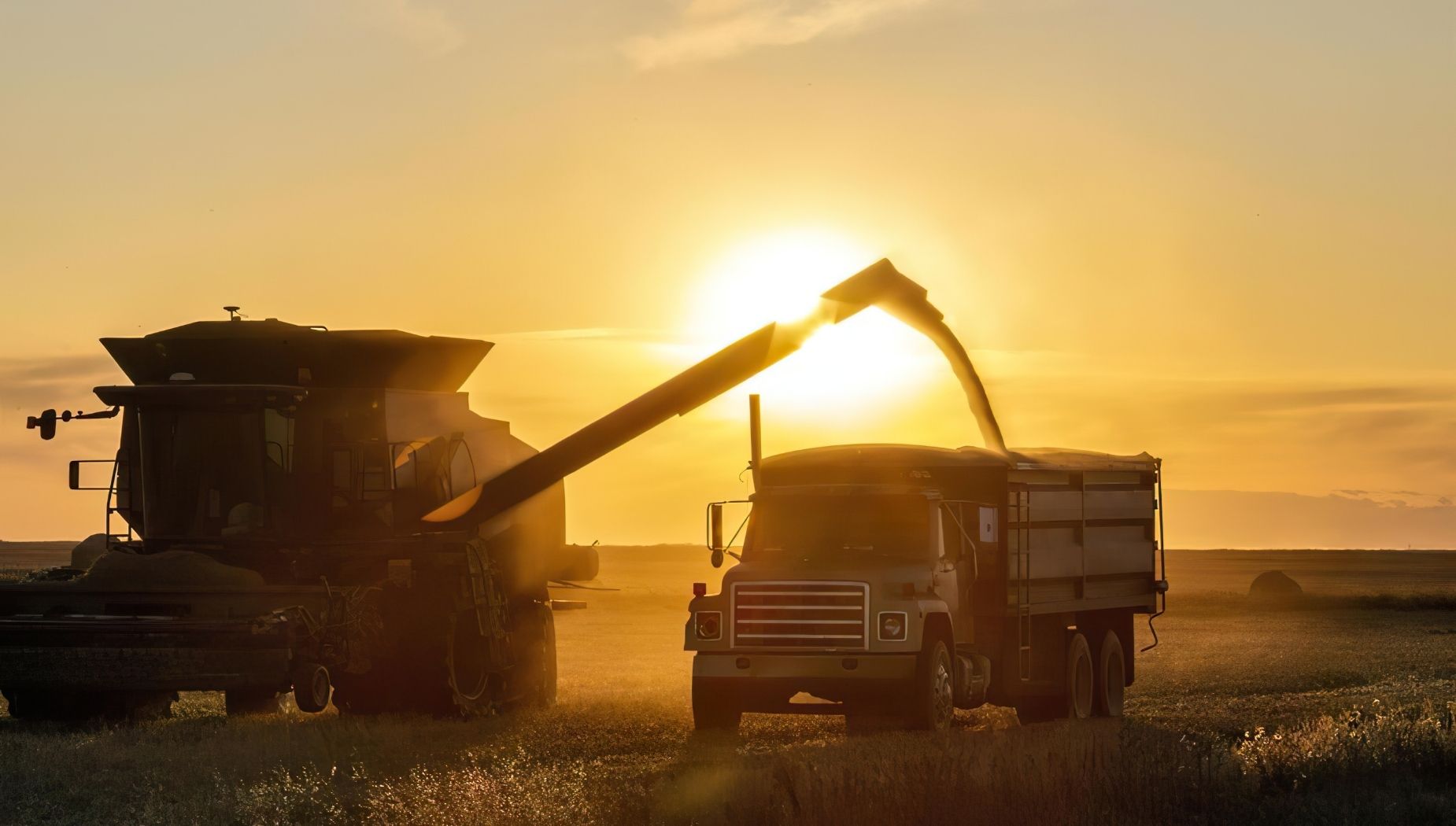
Harvest recruitment is underway, and finding reliable seasonal workers can be challenging. Here are some strategies to help farms attract and retain the right people.
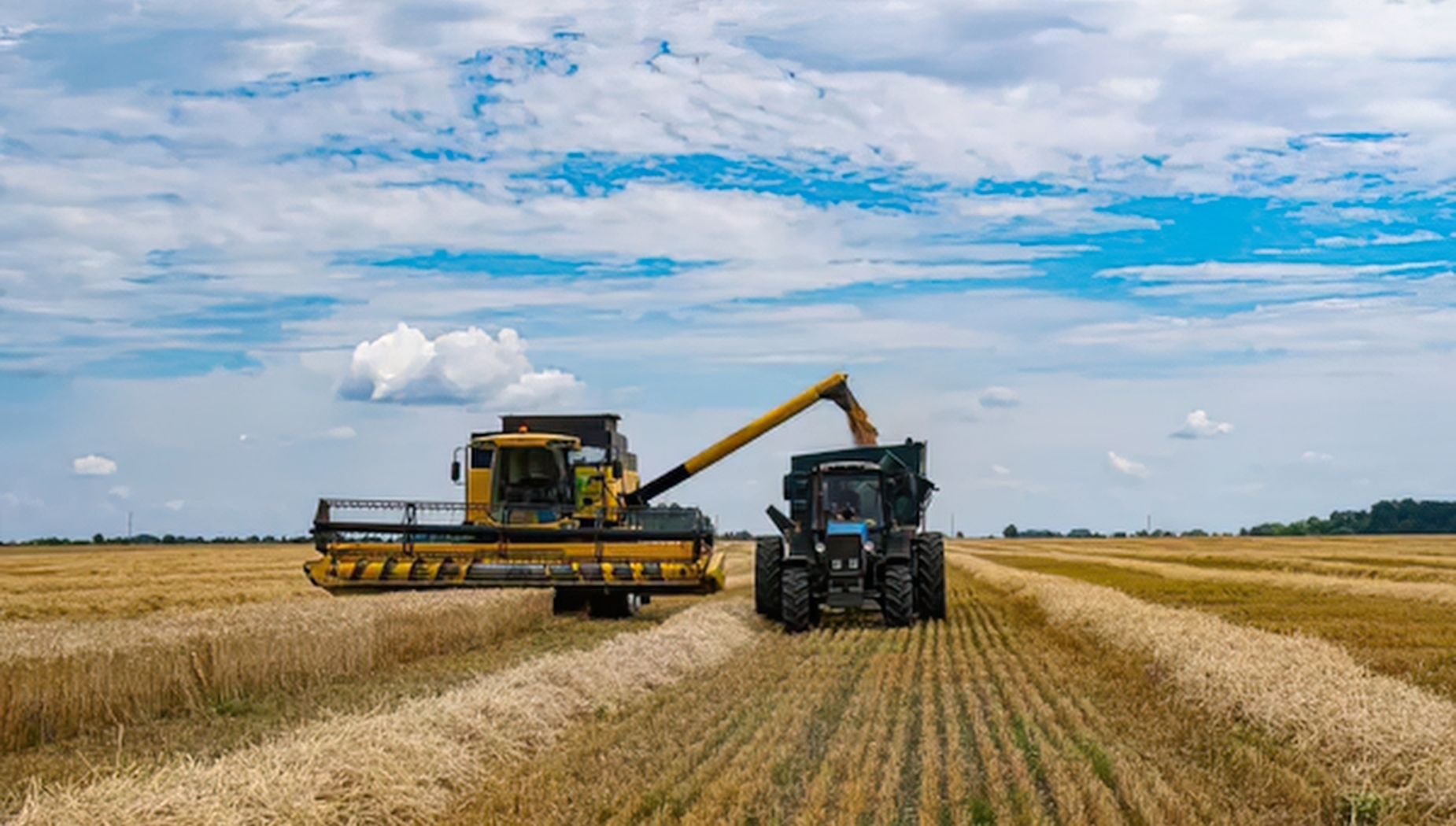
Harvest brings long hours, heavy machinery and increased safety risks. Our harvest safety guide covers what farms should consider to keep workers safe.
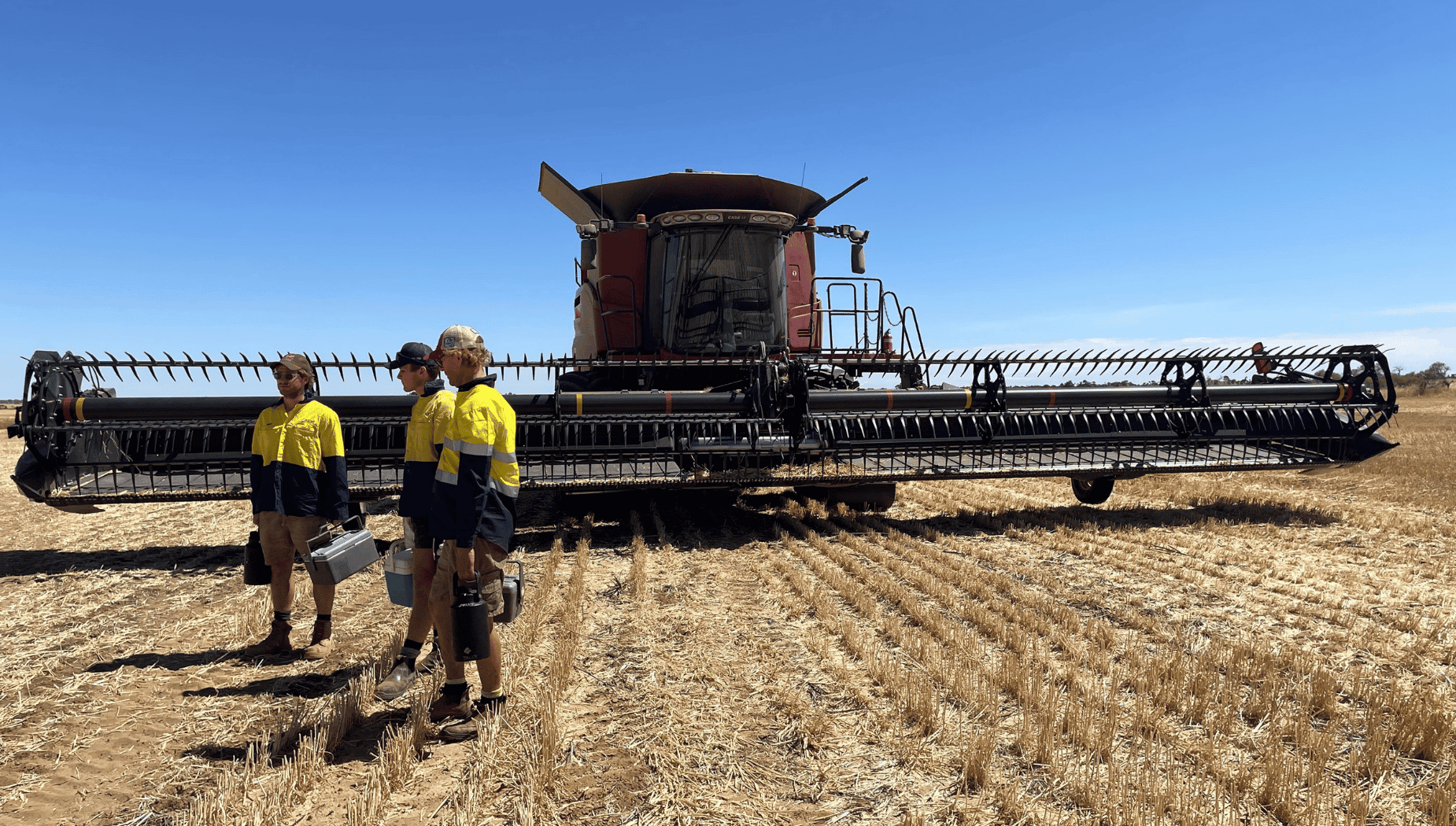
This HR guide for harvest covers some of the key areas farm employers should get in order - from recruitment and contracts to pay, onboarding and record keeping.
