
Psychosocial hazards in the workplace can cause psychological stress, potentially leading to psychological or physical harm and work-related injuries. Farming, unlike a typical 9 to 5 job, involves challenges such as weather systems, pests, disease, and high-pressure periods. To manage these challenges, it’s essential to work with your staff to mitigate the impacts of the farming workload.
Things you can do to shape a more positive farm culture:
Mentoring Your Workers
Mentoring employees is a powerful way to shape their future positively within the workforce. Effective mentors are good listeners, non-judgmental, and value diverse perspectives. They also provide honest, constructive feedback.
Have a Conversation
Engaging in open conversations with your employees about work-related, health, and safety issues is crucial. Ensure they are informed about any changes that might affect them. Seeking advice from workers can help address workplace issues, enhance risk assessment and mitigation documentation, whilst demonstrating that you value their input.
Offering Genuine Support
If an employee shows signs of stress, proactively check in with them. Encourage workers to voice concerns if they feel unsafe or unwell. Regular check-ins ensure that tasks are achievable within given timeframes and match their skill levels and available tools.
Provide Training
Investing in training is essential. Teach modern practices and provide formal training opportunities, such as heavy machinery licenses, quad bike training, mental health courses, chemical handling training, first aid certification, chainsaw training, and working at heights or in confined spaces. These courses are valuable for equipping staff with necessary skills and knowledge.
If you would like to learn how ProcessWorx can help with Human Resources or Work Health & Safety, please contact us on 08 9316 9896, enquiries@processworx.com.au. Also watch an Introduction to ProcessWorx.
Follow ProcessWorx on LinkedIn, Facebook, Instagram, YouTube, and X to keep up with the latest HR and Safety news.
STAY IN THE LOOP
Subscribe to our free newsletter.
Leave A Comment
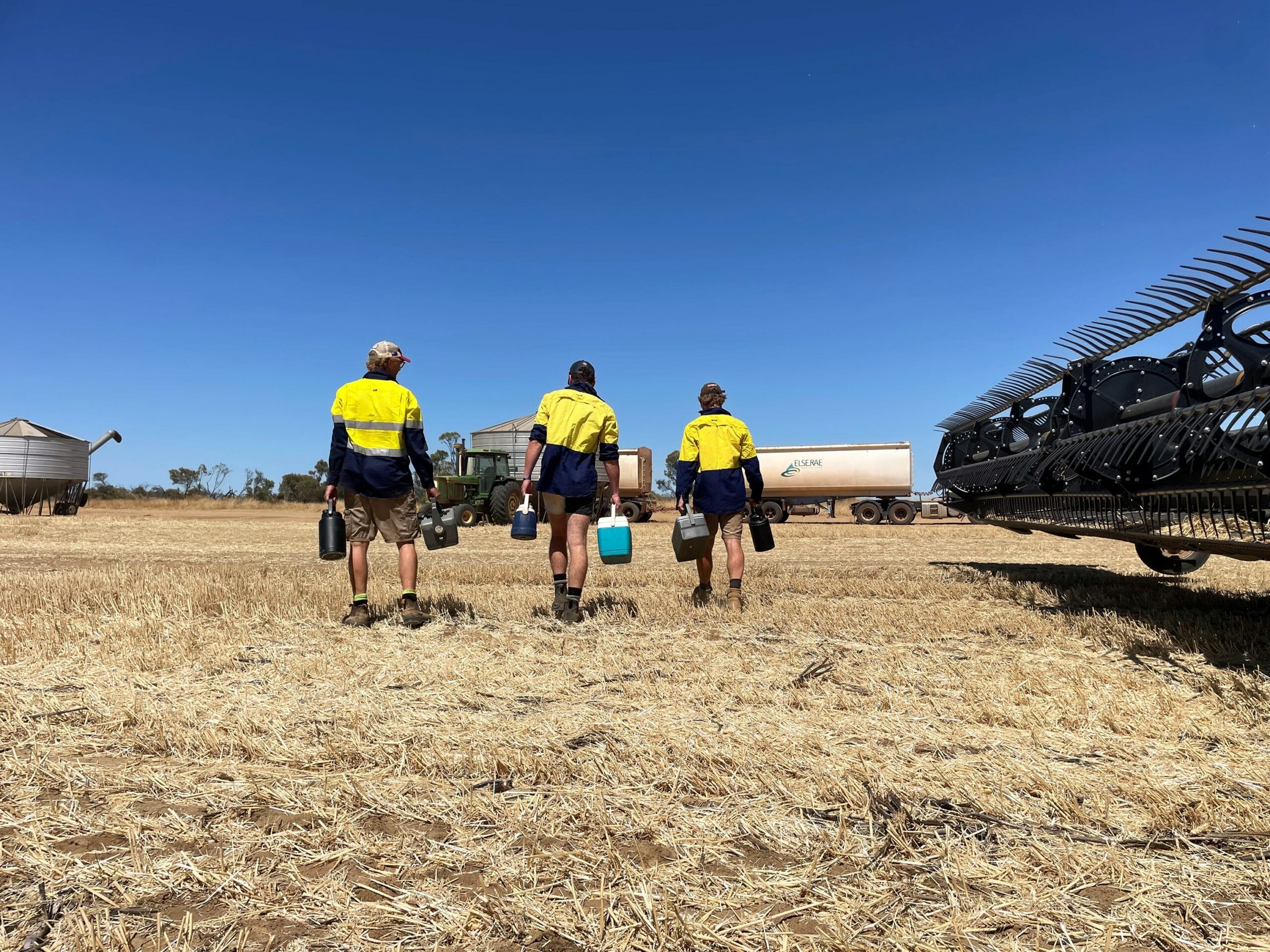
Visa delays and paused working holiday applications are adding pressure ahead of WA’s grain harvest. With seasonal workers harder to secure, getting every new starter onboarded, inducted and paid correctly matters.
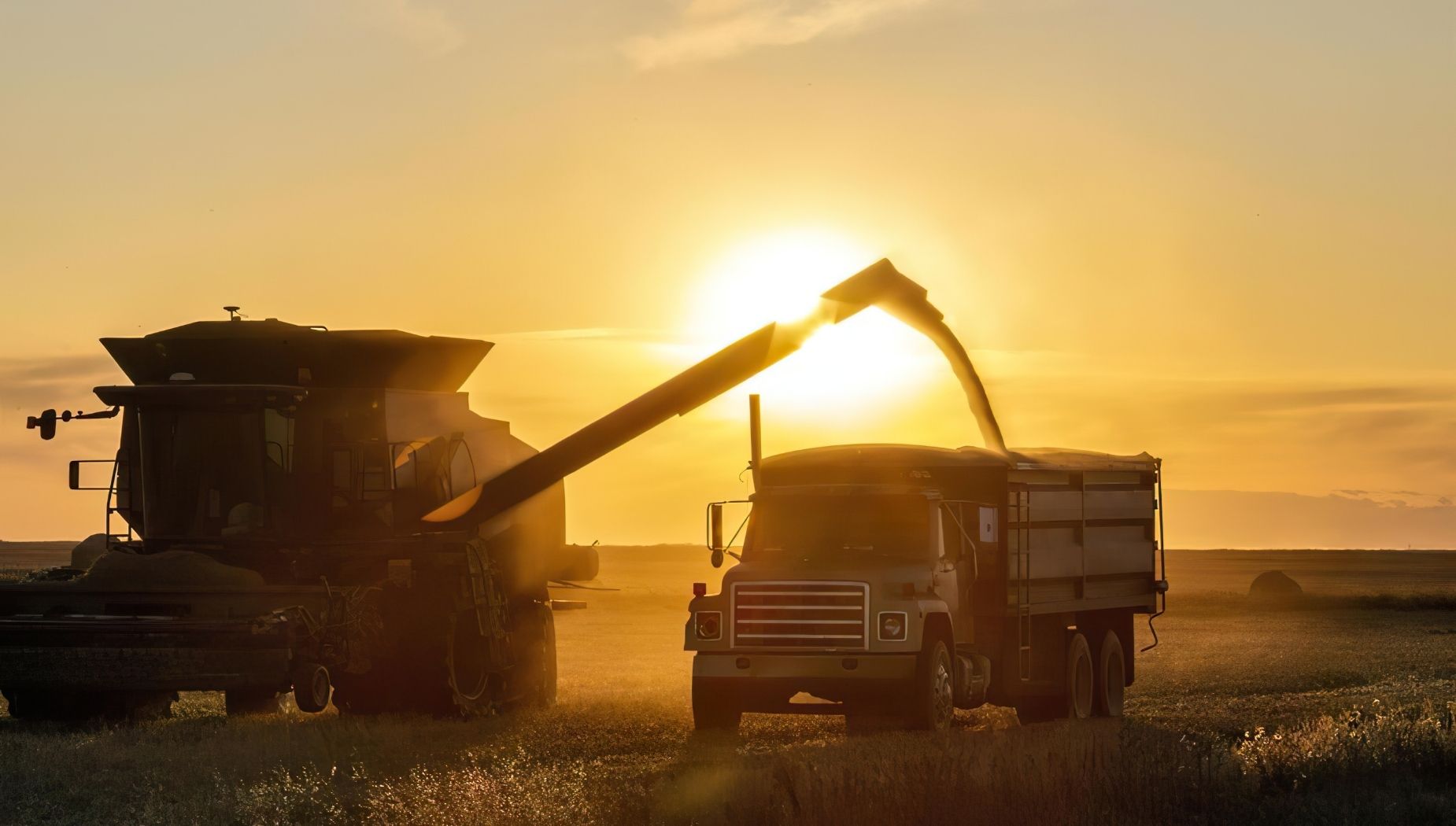
Harvest recruitment is underway, and finding reliable seasonal workers can be challenging. Here are some strategies to help farms attract and retain the right people.
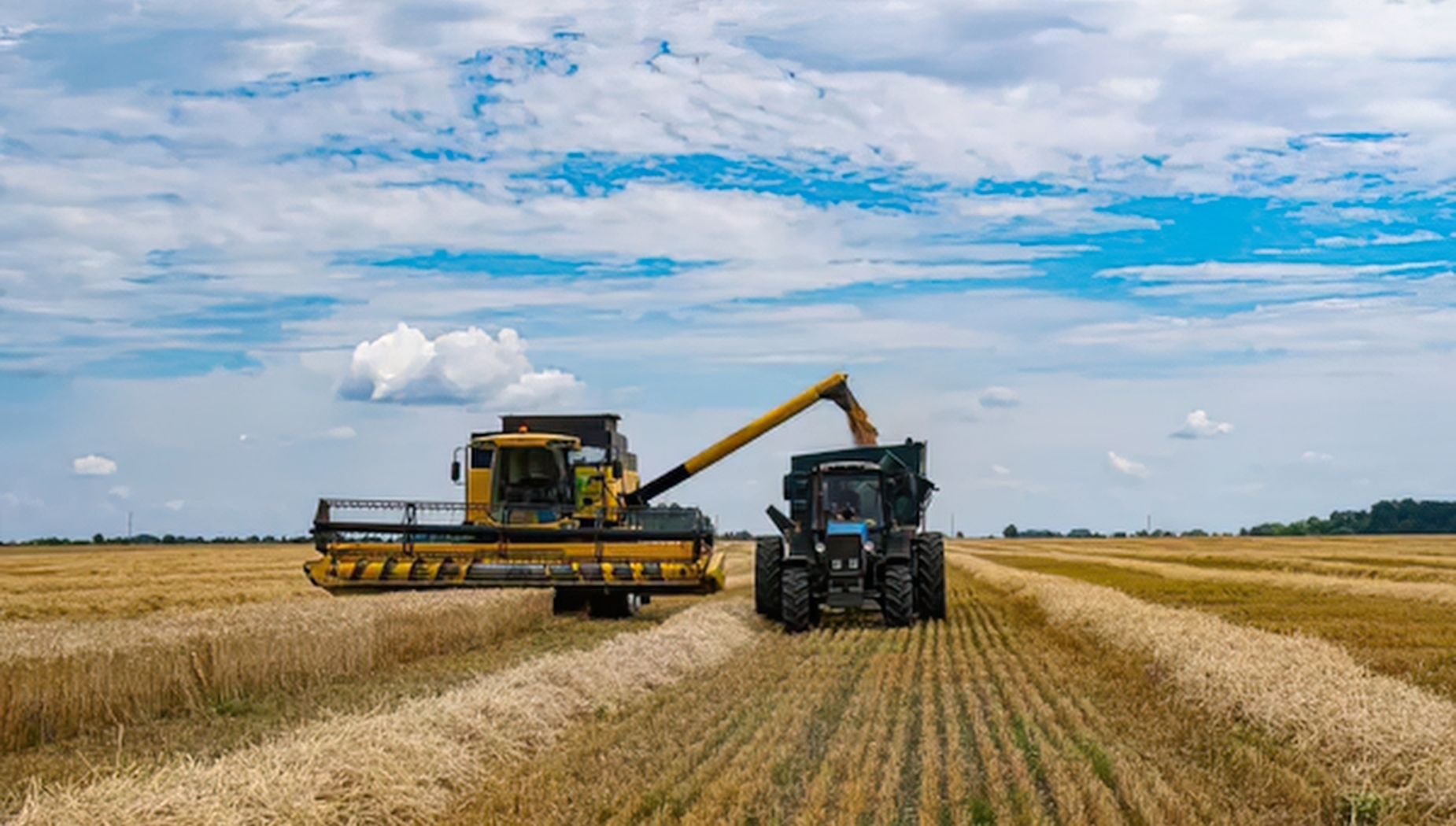
Harvest brings long hours, heavy machinery and increased safety risks. Our harvest safety guide covers what farms should consider to keep workers safe.
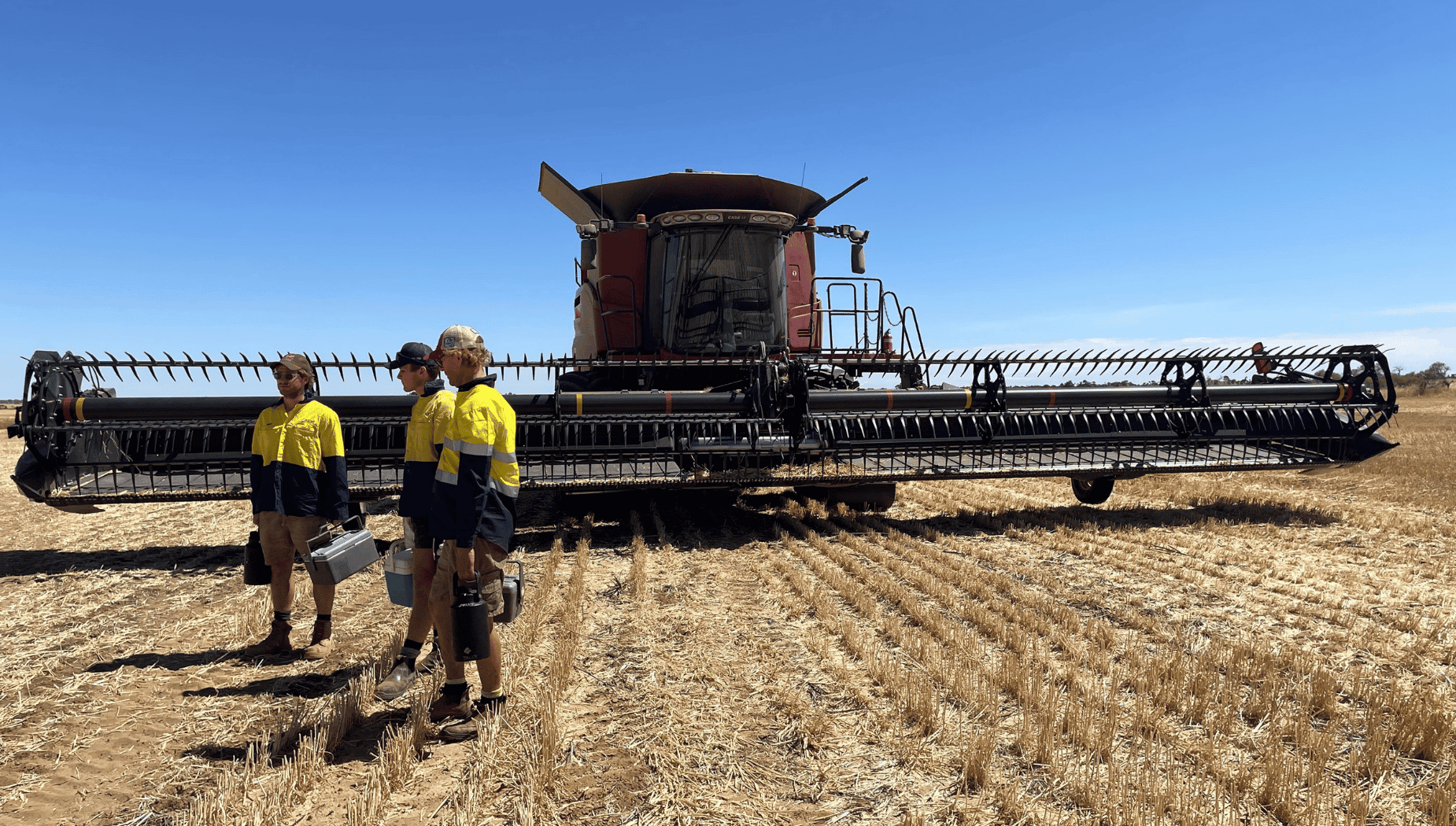
This HR guide for harvest covers some of the key areas farm employers should get in order - from recruitment and contracts to pay, onboarding and record keeping.
