
Tractors are indispensable on farms, yet they also pose significant risks. Tragically, many fatalities and injuries stem from incidents involving these machines. The power take-off (PTO), designed to transfer power from the tractor to attachments, can become extremely dangerous when safety protocols are overlooked. Most incidents occur when operators fail to disengage the PTO or shut off the engine.
Hazards and risks include:
- Working near an inadequately guarded PTO shaft runs the risk of entanglement.
- Bystanders, helpers and children are at risk of injury or death due to their curiosity and limited understanding of hazards.
- Wearing loose clothing, clothing with drawstrings, jewellery or having long hair increases the risk of entanglement.
- Fatigue can slow reflexes and reduce concentration.
Mitigating the risk
- Always ensure the PTO is disengaged and shut off the tractor before checking, maintaining, repairing or removing the PTO.
- Ensure all PTO assembly and shaft guards are in good order and functional before operating tractors.
- Replace any missing master guards on tractors.
- Only necessary personnel should be present while the PTO is in operation.
- Engage the PTO gradually and avoid over-tightening slip clutches on PTO-driven machines to prevent shaft damage.
- Guards should only be removed for repair or maintenance and must be refitted before further operation.
- Reduce PTO shaft damage by avoiding tight turns that pinch rotating shafts between the tractor and machine.
- Minimize excessive telescoping to reduce PTO shaft damage.
- Always disengage the PTO before dismounting the tractor.
- Clothing should be of a snug fit, and sturdy boots should be worn to reduce the risk of entanglement.
- Frequent short breaks when operating the tractor for long periods of time will help reduce fatigue.
At Processworx, we believe that by embracing rigorous safety measures, maintaining equipment diligently, and fostering a culture of awareness and responsibility, farmers can safeguard not only their livelihoods but also the lives of those who work the land.
If you would like to learn how ProcessWorx can help with Human Resources or Work Health & Safety, please contact us on 08 9316 9896, enquiries@processworx.com.au. Also watch an Introduction to ProcessWorx.
Follow ProcessWorx on LinkedIn, Facebook, Instagram, YouTube, and X to keep up with the latest HR and Safety news.
STAY IN THE LOOP
Subscribe to our free newsletter.
Leave A Comment
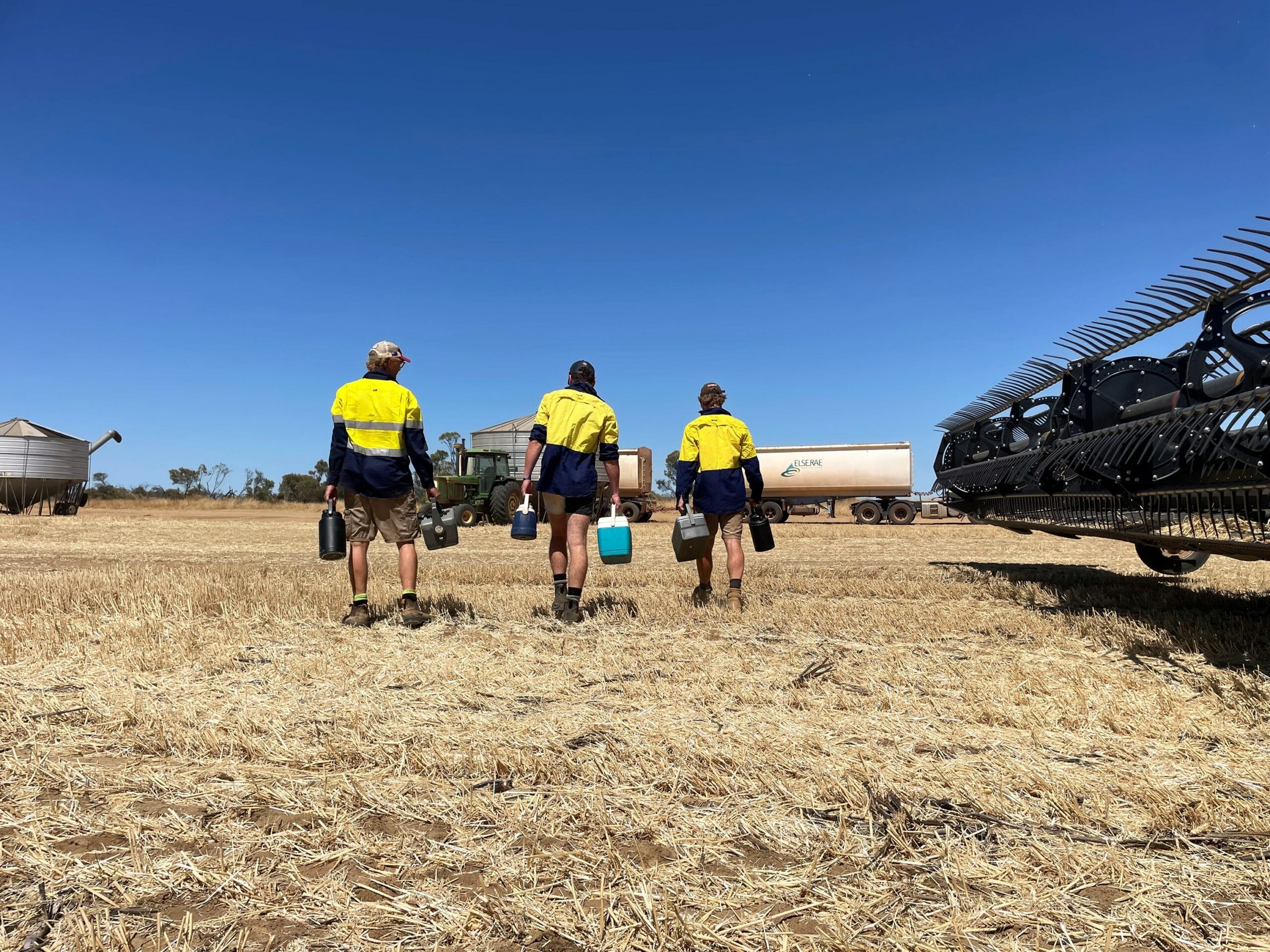
Visa delays and paused working holiday applications are adding pressure ahead of WA’s grain harvest. With seasonal workers harder to secure, getting every new starter onboarded, inducted and paid correctly matters.
Harvest recruitment is underway, and finding reliable seasonal workers can be challenging. Here are some strategies to help farms attract and retain the right people.
Harvest brings long hours, heavy machinery and increased safety risks. Our harvest safety guide covers what farms should consider to keep workers safe.
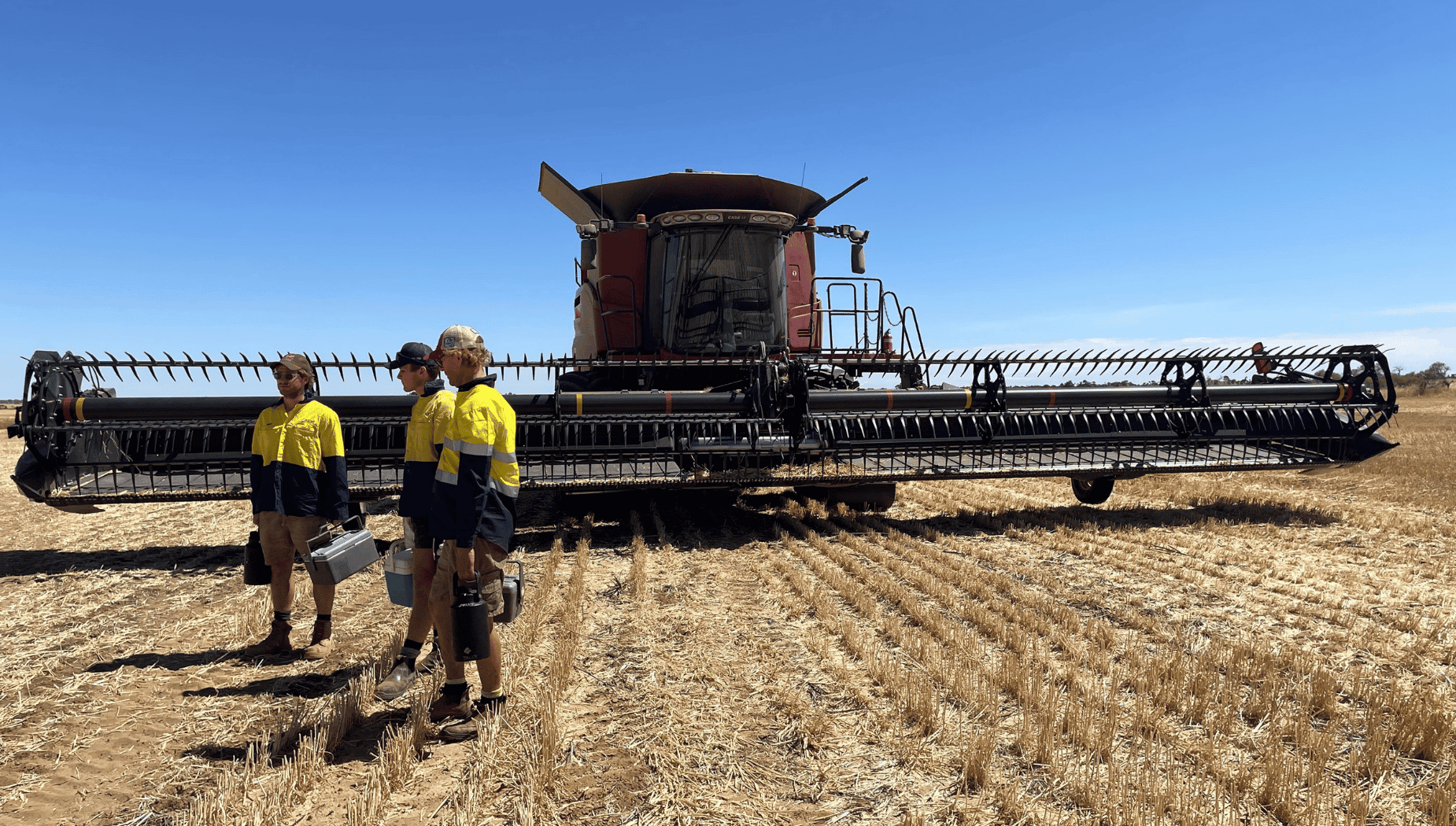
This HR guide for harvest covers some of the key areas farm employers should get in order - from recruitment and contracts to pay, onboarding and record keeping.
