
Working in Silos: Key Risks and How to Manage Them
Silos are essential on many farms, particularly in grain operations. However, they present serious risks that require careful planning and strict safety controls. The most common hazards when working in silos include:
Falls from height
Accessing or maintaining silos often involves working at height. Without the right equipment and systems in place, the risk of a fall is significant and can result in serious injury or fatality.
Engulfment and suffocation
Silos are considered confined spaces under WHS laws. You can read more about confined space requirements on Safe Work Australia. Workers can become trapped in moving or unstable grain, which can quickly lead to engulfment or suffocation. Oxygen levels may also be reduced, increasing the risk when entering enclosed areas.
Toxic atmospheres
Gases such as carbon dioxide and nitrogen can build up inside silos, particularly where organic material is stored. These gases are often invisible and odourless, making them difficult to detect without proper monitoring equipment.
How to Manage Silo Safety Risks
Silo safety doesn’t need to be complex, but it does require the right controls to be in place and consistently followed.
Maintain structural integrity
Regularly inspect silos and field bins for signs of wear, corrosion or damage. Address any issues early to prevent structural failure or unsafe access.
Ensure proper training and PPE
Workers should not enter silos or field bins without appropriate training. This includes understanding confined space risks and how to use required PPE such as harnesses, respirators and helmets.
Use a spotter and clear communication
Never work in or around silos alone. A spotter should be present at all times, with clear communication in place to respond quickly if something goes wrong.
Manage working at heights
Tasks involving silo access should include fall protection systems and appropriate equipment. Avoid informal or unsafe access methods.
Monitor air quality before entry
Before entering any confined space, test for oxygen levels and hazardous gases. Ensure ventilation is adequate and do not enter if conditions are unsafe.
Getting It Right
Silo incidents are often severe but preventable. With the right systems, training and supervision in place, these risks can be managed effectively.
The focus should always be on practical controls that are understood, followed on site, and documented.
For more information on farm safety, or to discuss implementing WHS strategies on your farm, please contact us on 08 9316 9896, enquiries@processworx.com.au. Also watch an Introduction to ProcessWorx.
Follow ProcessWorx on LinkedIn, Facebook, Instagram, YouTube, and X to keep up with the latest HR and Safety news.
STAY IN THE LOOP
Subscribe to our free newsletter.
Leave A Comment
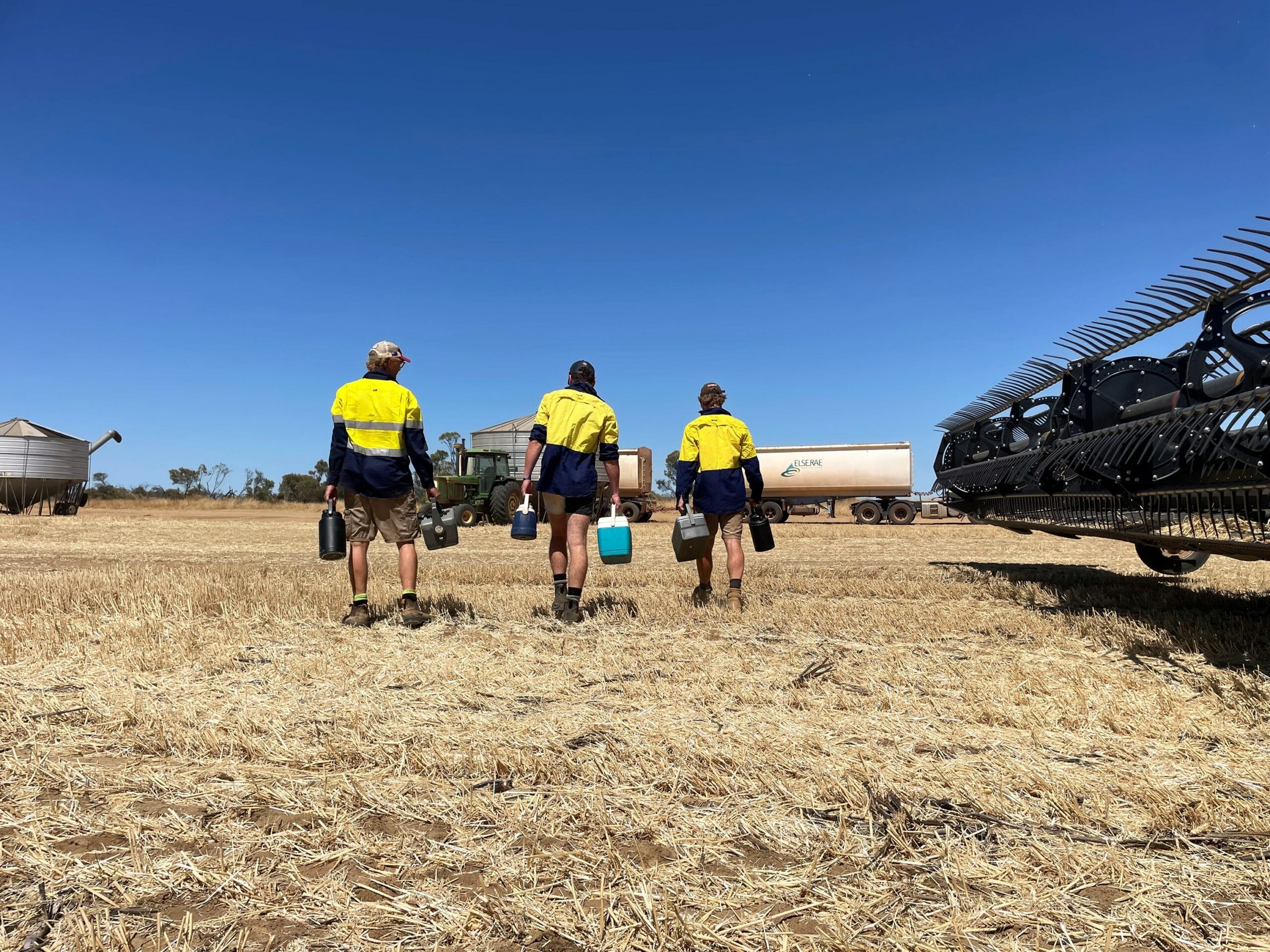
Visa delays and paused working holiday applications are adding pressure ahead of WA’s grain harvest. With seasonal workers harder to secure, getting every new starter onboarded, inducted and paid correctly matters.
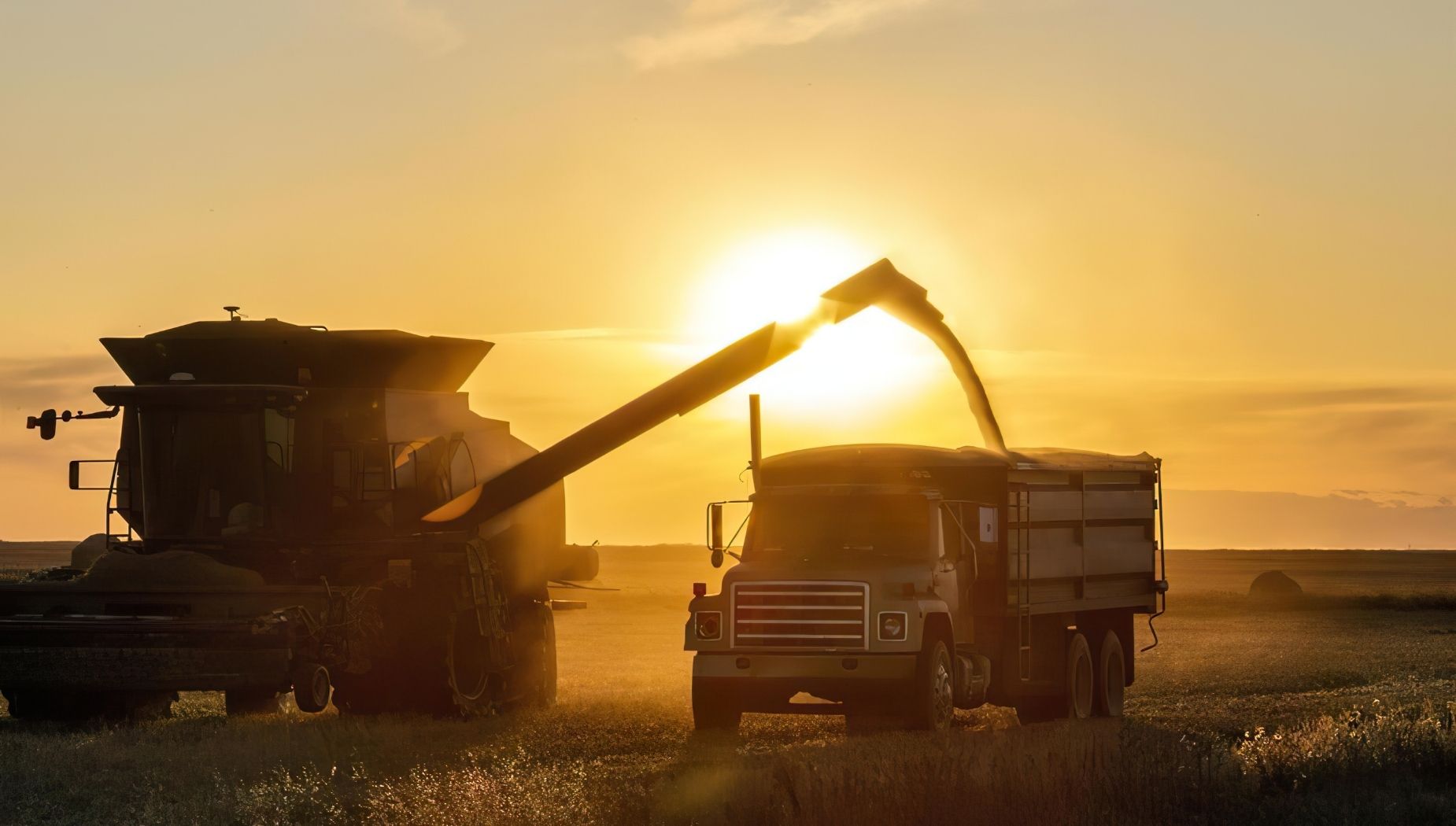
Harvest recruitment is underway, and finding reliable seasonal workers can be challenging. Here are some strategies to help farms attract and retain the right people.
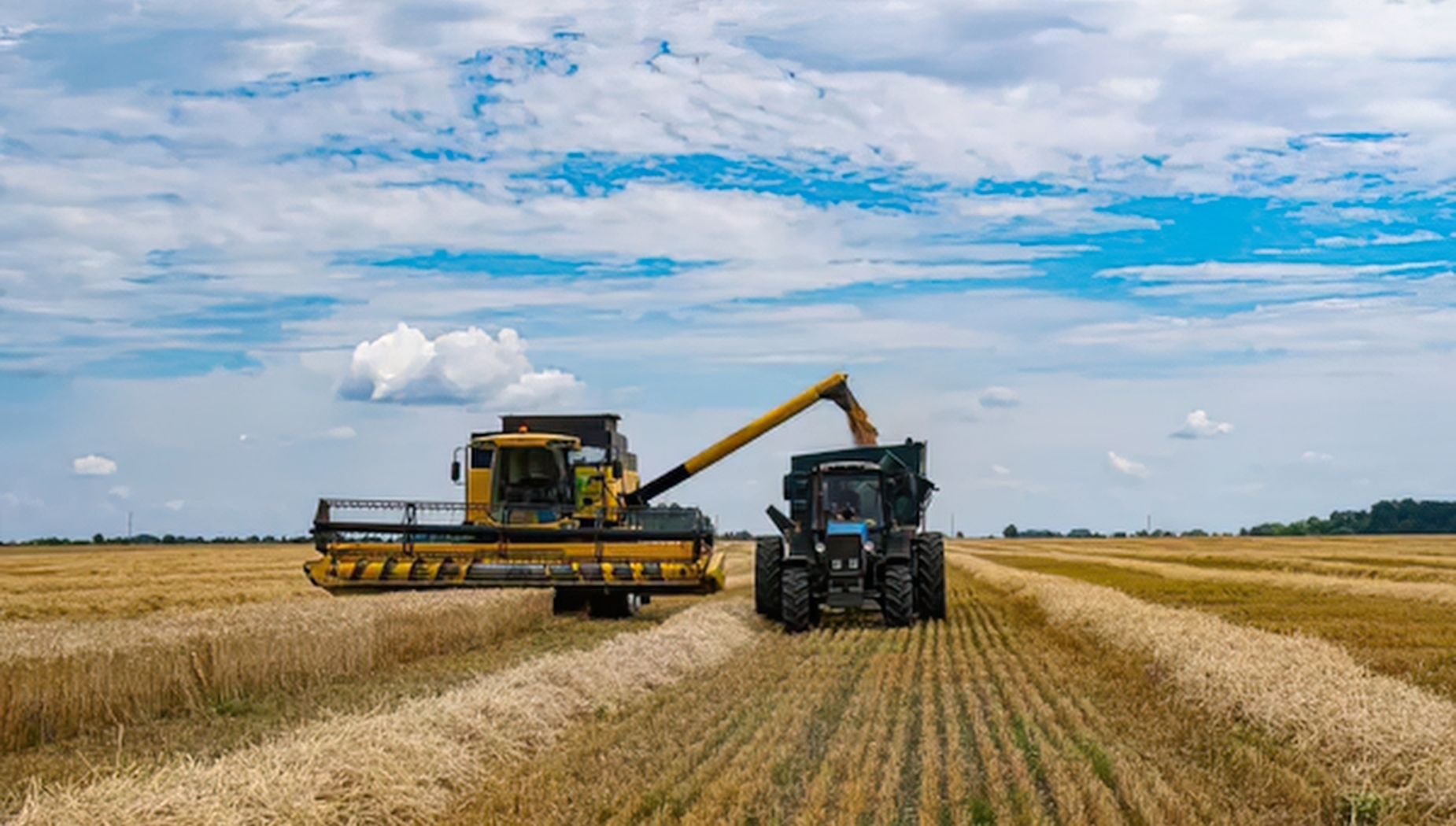
Harvest brings long hours, heavy machinery and increased safety risks. Our harvest safety guide covers what farms should consider to keep workers safe.
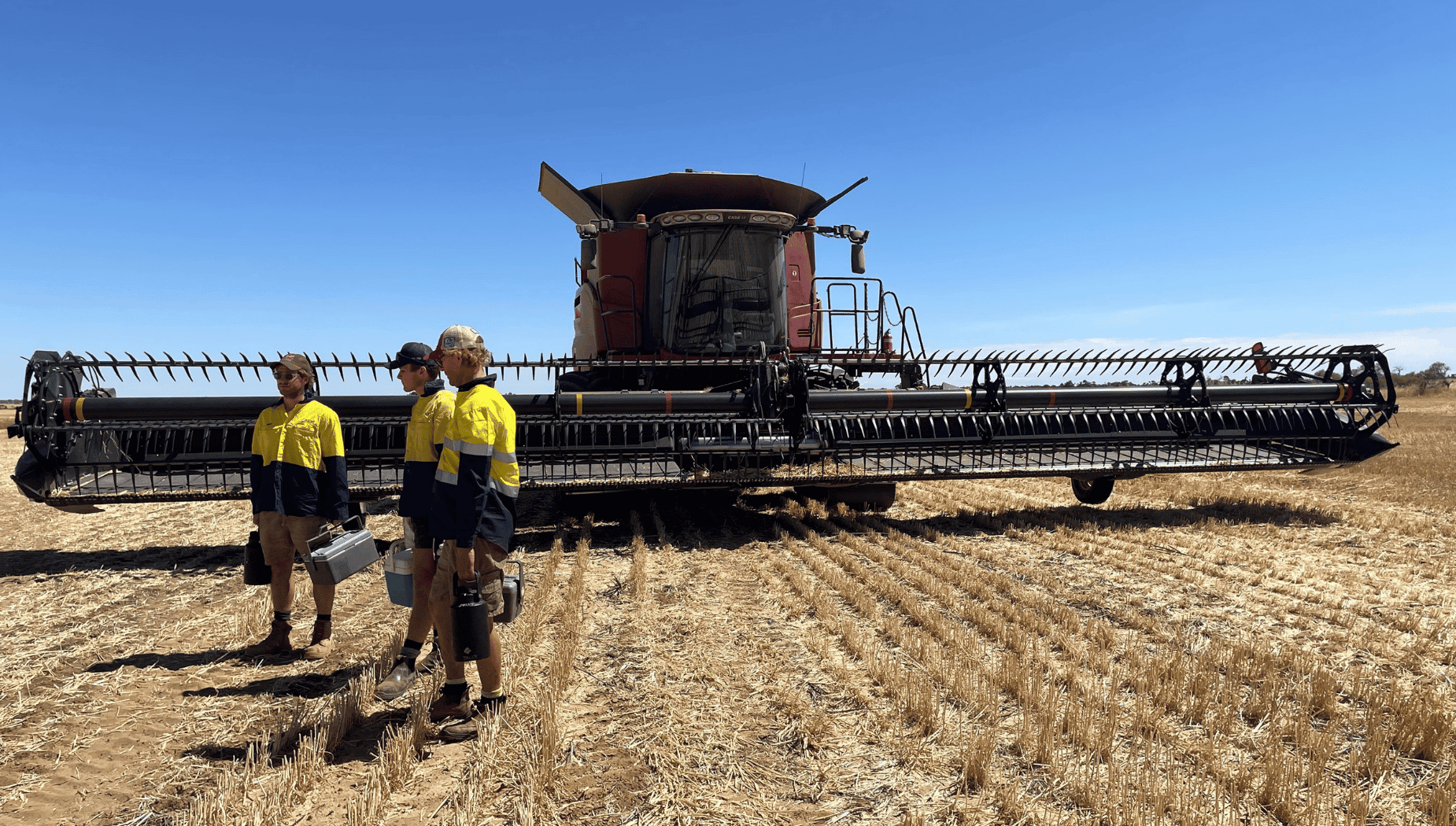
This HR guide for harvest covers some of the key areas farm employers should get in order - from recruitment and contracts to pay, onboarding and record keeping.
