
Agriculture is a key part of Australia’s economy and rural lifestyle with livestock farming playing a central role. Handling livestock involves various tasks, including feeding, herding, veterinary care, and transportation. Each activity carries potential hazards, such as animal bites, kicks and trampling. The physical nature of these tasks also increases the risk of musculoskeletal injuries. Here’s a practical guide highlighting essential practices that make livestock handling safer and more effective.
Stay Sharp and Informed
Ensuring all workers are trained in safe handling techniques and understand animal behaviour is vital. Training should cover the use of equipment, emergency procedures, and recognising signs of animal distress.
Regular refresher courses and updates on the latest safety protocols keep workers informed about best practices.
Use Proper Equipment and PPE
Facilities should be designed to minimise stress and injury to both animals and handlers. This includes using non-slip flooring, proper lighting, and ensuring adequate space for movement.
Regular inspection and maintenance of handling equipment, such as gates, chutes, and loading ramps, prevent accidents caused by equipment failure.
Having the right equipment for moving and restraining livestock is crucial. Tools like cattle prods, halters, and ropes should be well-maintained. Regular checks can help prevent accidents and make handling smoother.
PPE should be readily available and properly used by all workers involved in livestock handling.
Know Your Animals
Understanding livestock behaviour can help avoid problems. Recognising signs of stress or aggression—like tail swishing, vocalisations, or pawing—can help you address issues before they escalate.
Keep Calm
Handling livestock with a calm and confident demeanour is crucial. Sudden movements or loud noises can startle animals, leading to unpredictable behaviour.
Work Together
Whenever possible, team up with another person when handling livestock. Effective communication and coordinated actions help minimise risks.
Be Prepared
All workers should be trained in basic first aid to respond quickly to injuries. Having well-stocked first aid kits readily available on the farm is also crucial.
Clear protocols for handling emergencies, such as animal escapes or severe injuries, ensure a swift and effective response. Regular drills can help familiarise workers with these procedures.
Handling livestock is a critical part of Australian farming, affecting animal welfare, productivity, and worker safety. By focusing on good practices, farmers can ensure a safer, more efficient working environment. Prioritising these practices not only protects handlers but also promotes the well-being of the livestock, ultimately benefiting the entire farming operation.
If you would like to learn how ProcessWorx can help with Human Resources or Work Health & Safety, please contact us on 08 9316 9896, enquiries@processworx.com.au. Also watch an Introduction to ProcessWorx.
Follow ProcessWorx on LinkedIn, Facebook, Instagram, YouTube, and X to keep up with the latest HR and Safety news.
STAY IN THE LOOP
Subscribe to our free newsletter.
Leave A Comment
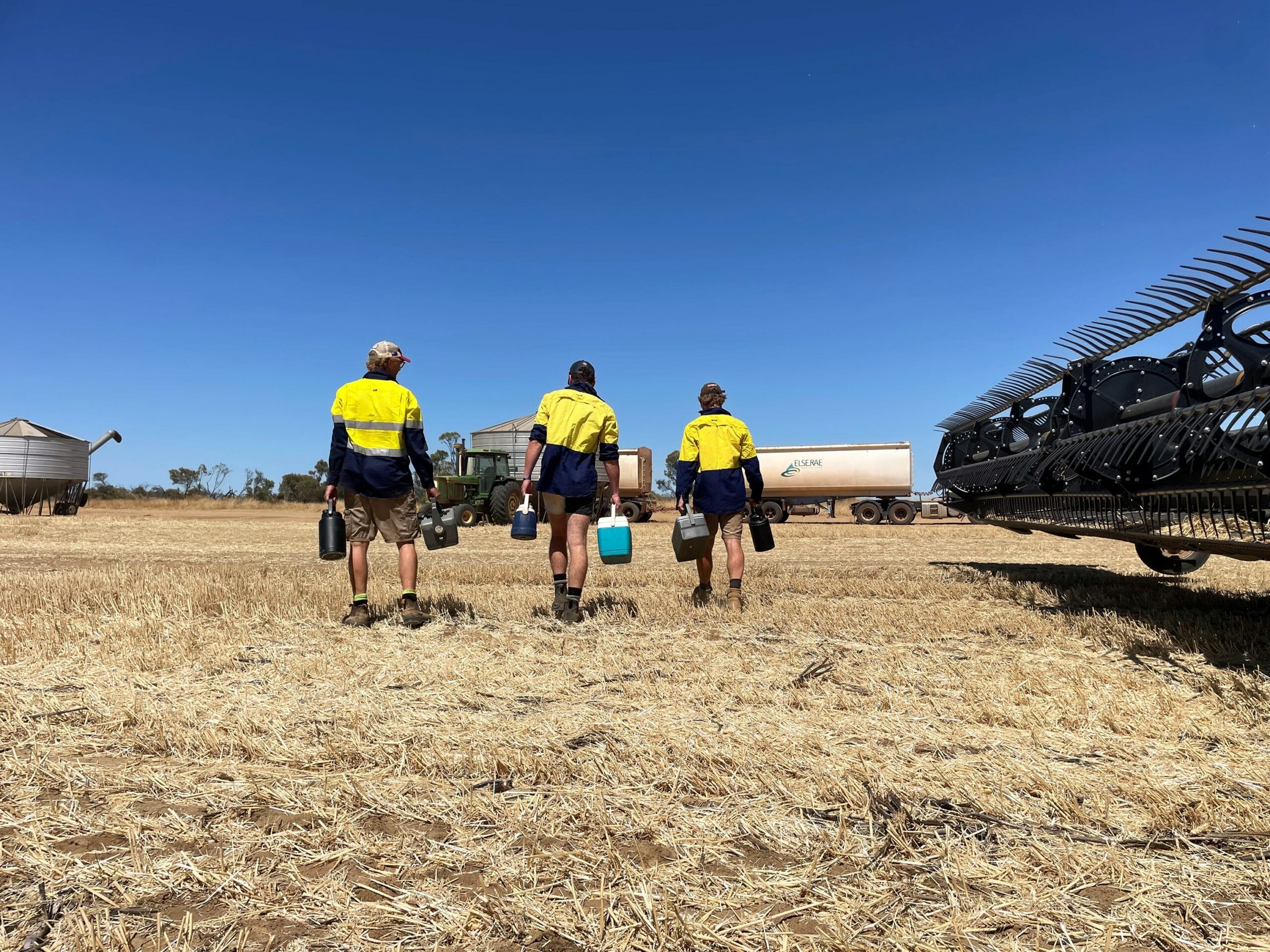
Visa delays and paused working holiday applications are adding pressure ahead of WA’s grain harvest. With seasonal workers harder to secure, getting every new starter onboarded, inducted and paid correctly matters.
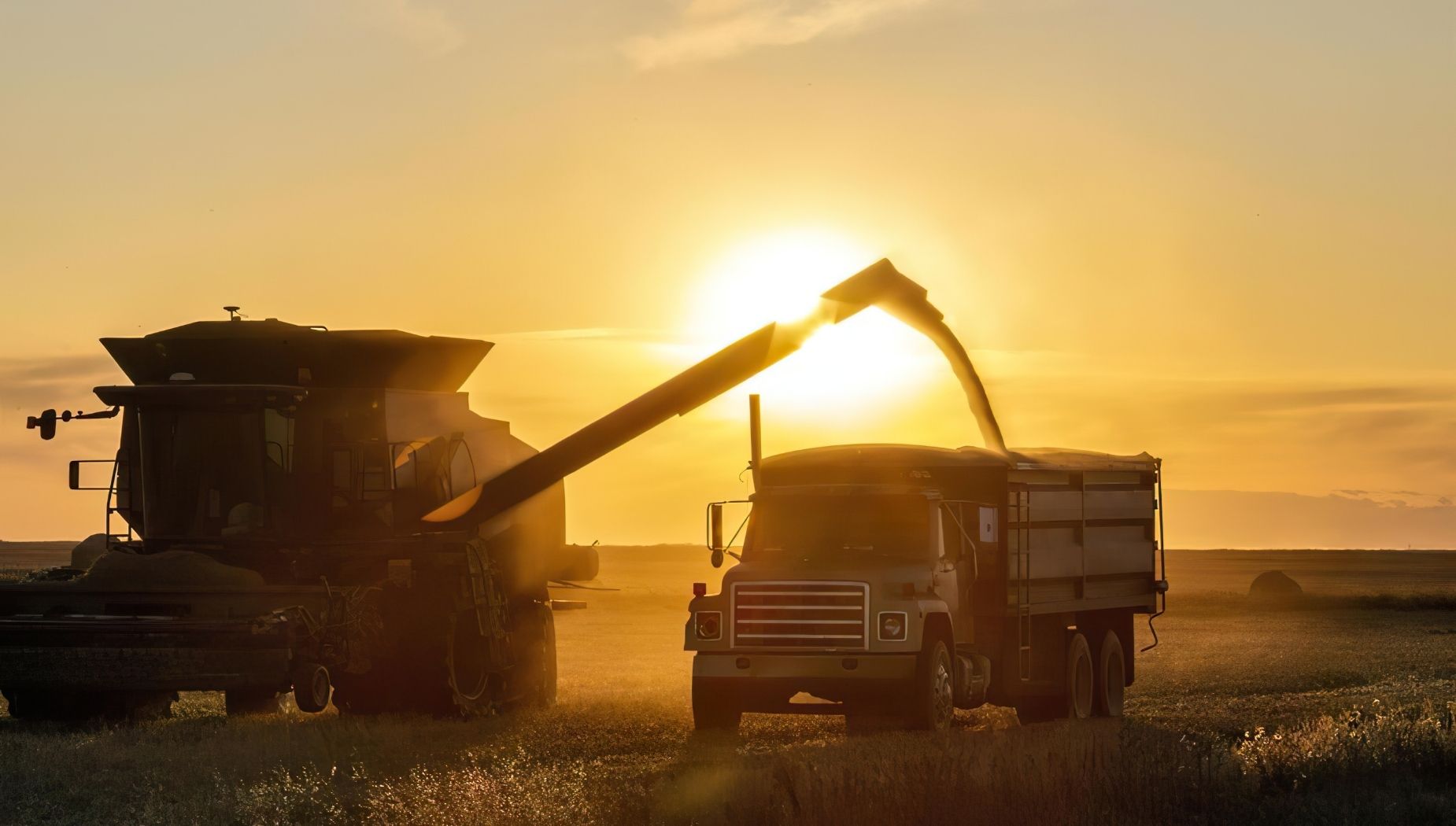
Harvest recruitment is underway, and finding reliable seasonal workers can be challenging. Here are some strategies to help farms attract and retain the right people.
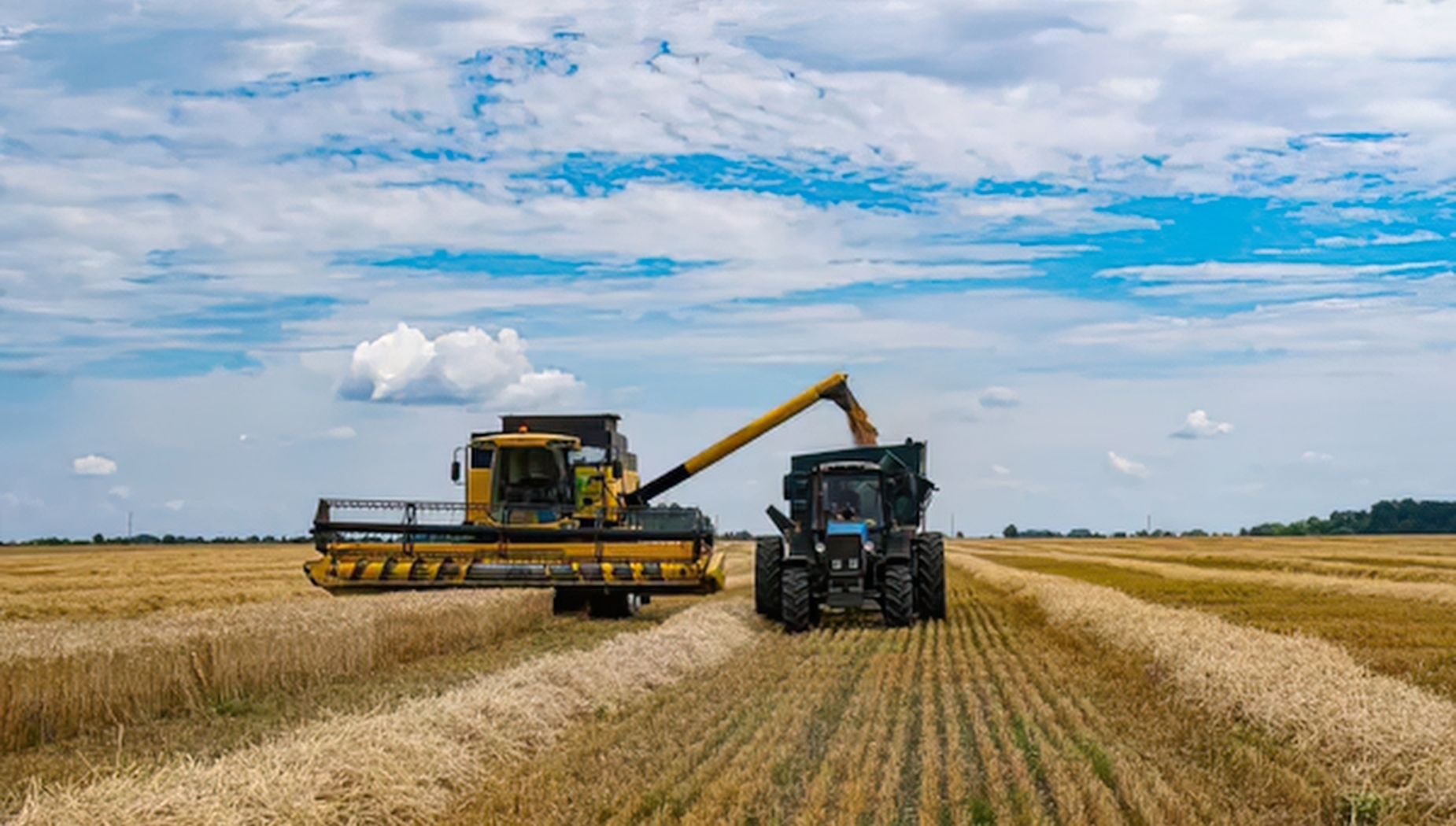
Harvest brings long hours, heavy machinery and increased safety risks. Our harvest safety guide covers what farms should consider to keep workers safe.
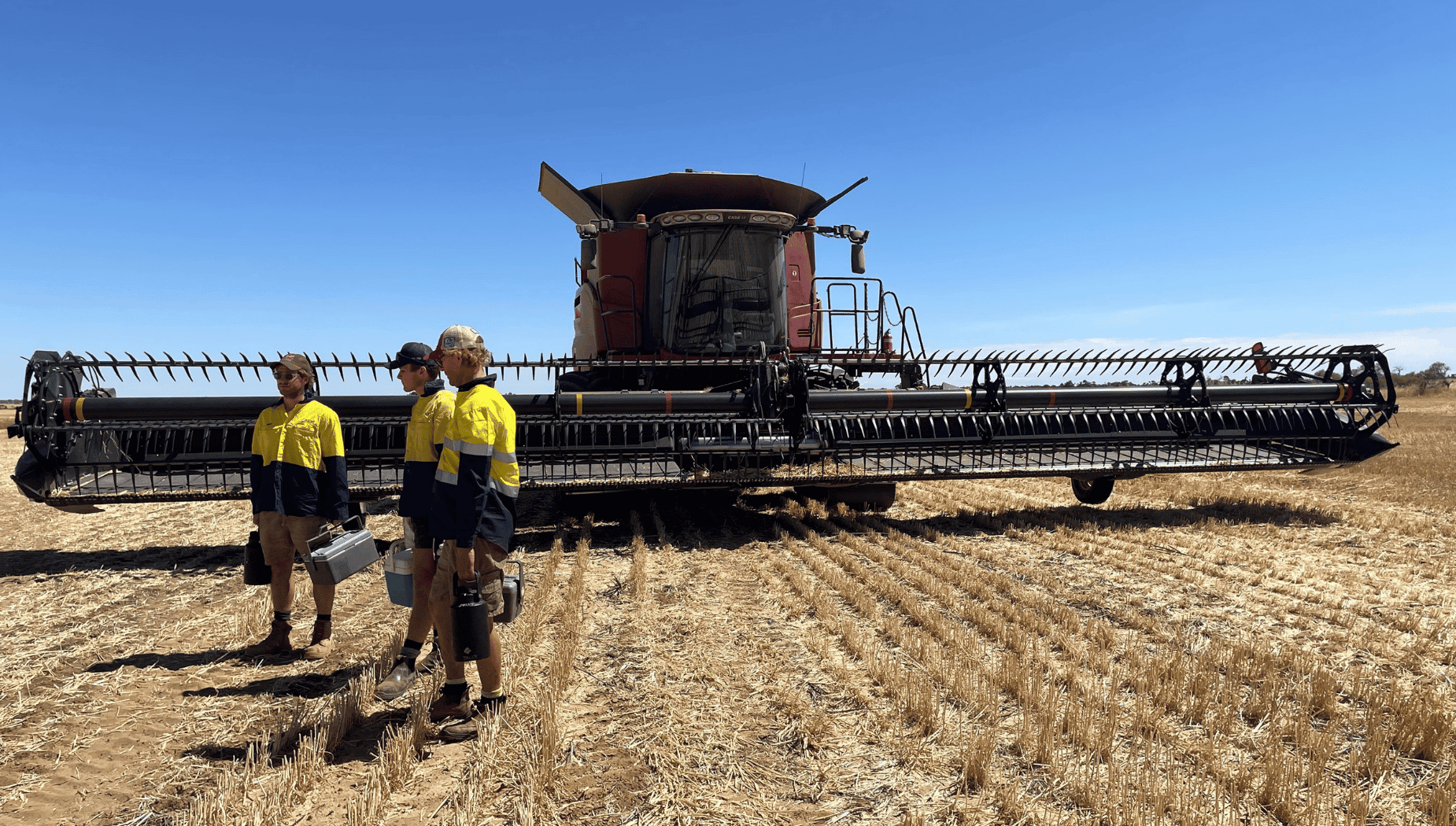
This HR guide for harvest covers some of the key areas farm employers should get in order - from recruitment and contracts to pay, onboarding and record keeping.
