
As the summer approaches, outdoor workers face challenges in managing the risks from hot weather conditions. Whether tending crops, herding livestock, or performing construction and maintenance tasks, outdoor workers are often exposed to high levels of UV radiation levels.
UV radiation is a leading cause of skin and eye damage, including sunburn, premature aging, and occupational skin cancer. Outdoor workers in Australia can receive up to 10 times more UV exposure than indoor workers, making them particularly vulnerable.
The risks are not only to workers’ health but also to business operations. Preventable UV-related health issues can lead to absenteeism, reduced productivity, and increased costs associated with workers’ compensation claims.
Businesses have a duty of care to safeguard their workers from the dangers of UV radiation. This includes:
- Identifying hazards – Recognising UV exposure as a critical workplace hazard.
- Assessing risks – Evaluating the likelihood and severity of harm based on work hours, locations, and tasks.
- Implementing control measures – Developing and enforcing strategies to protect workers.
Businesses can take proactive steps to protect their workers:
- Plan work activities to minimise exposure during peak UV radiation hours (10 a.m. to 4 p.m.).
- Provide UV-protective gear such as wide-brim hats or helmets with neck flaps, UV-resistant sunglasses and long-sleeved shirts and pants made of lightweight, tightly woven fabrics.
- Provide broad-spectrum, water-resistant sunscreen.
- Install portable shade structures for outdoor tasks and break areas.
- Train employees on the risks of UV exposure and the importance of protective measures.
- Display posters or signage reinforcing sun safety practices.
At Processworx, we believe that by prioritising the wellbeing of their workers, farmers and small business owners can foster a culture of care and responsibility, ensuring the sustainability of their operations.
If you would like to learn how ProcessWorx can help with Human Resources or Work Health & Safety, please contact us on 08 9316 9896, enquiries@processworx.com.au. Also watch an Introduction to ProcessWorx.
Follow ProcessWorx on LinkedIn, Facebook, Instagram, YouTube, and X to keep up with the latest HR and Safety news.
STAY IN THE LOOP
Subscribe to our free newsletter.
Leave A Comment
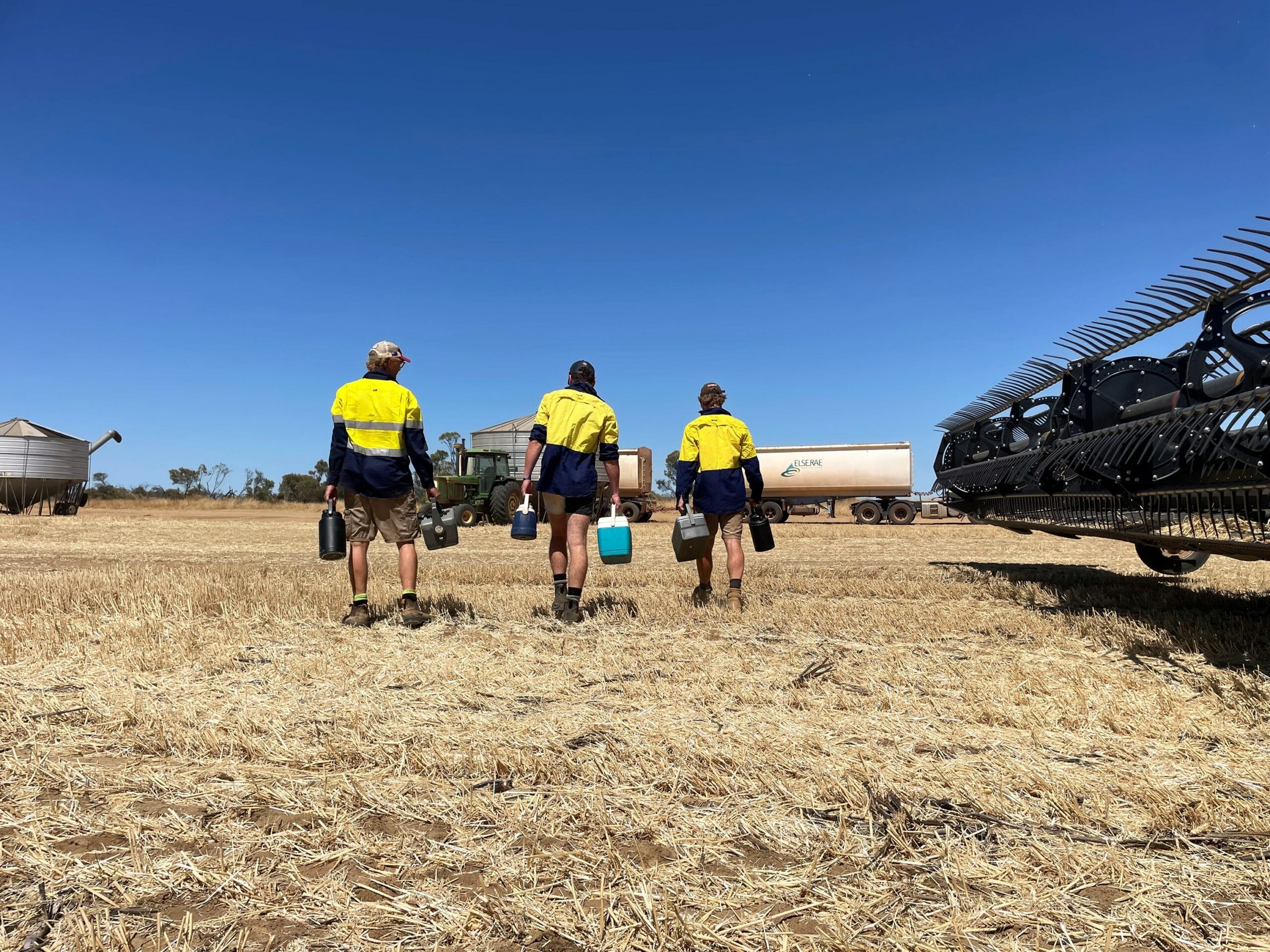
Visa delays and paused working holiday applications are adding pressure ahead of WA’s grain harvest. With seasonal workers harder to secure, getting every new starter onboarded, inducted and paid correctly matters.
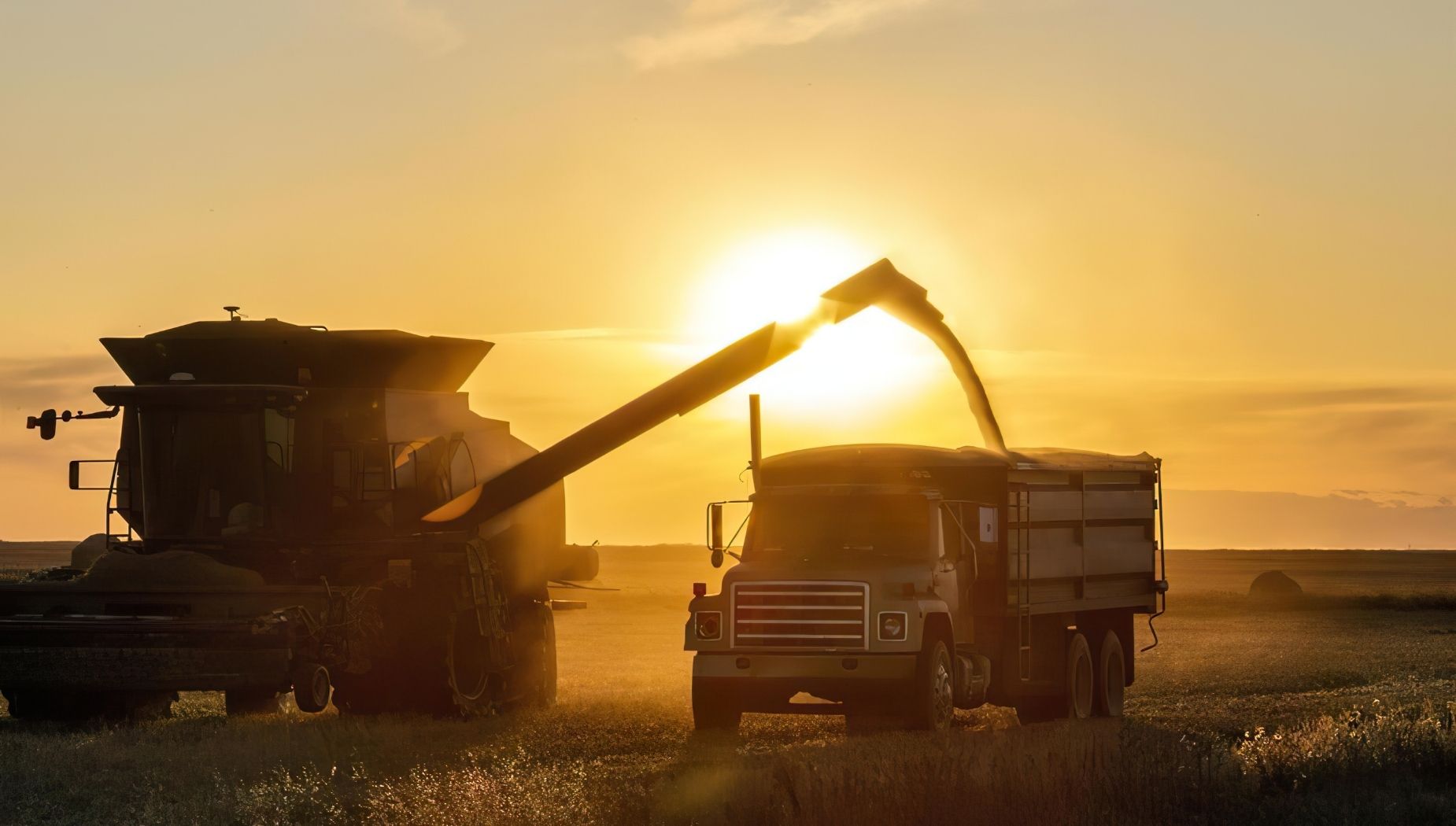
Harvest recruitment is underway, and finding reliable seasonal workers can be challenging. Here are some strategies to help farms attract and retain the right people.
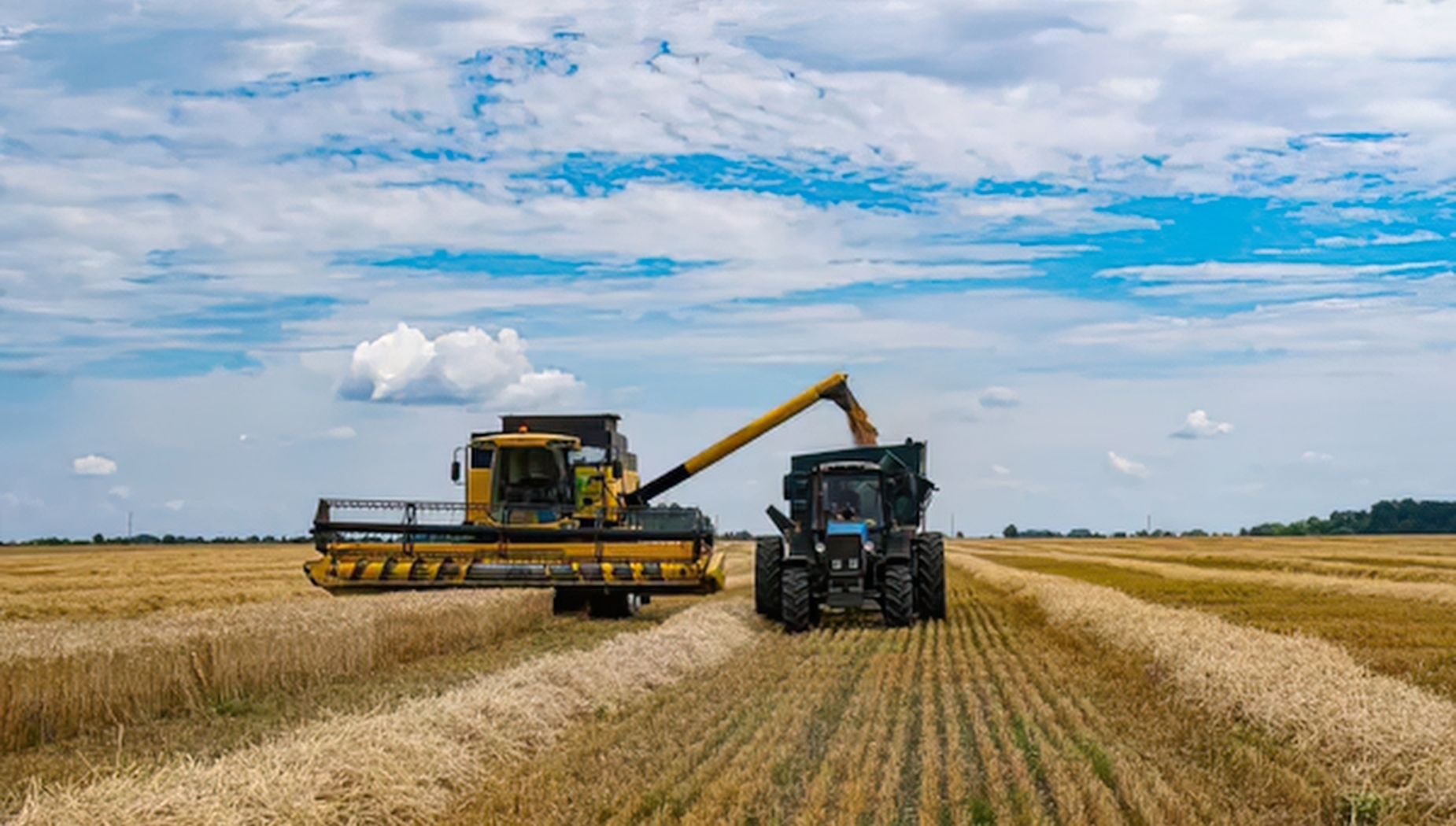
Harvest brings long hours, heavy machinery and increased safety risks. Our harvest safety guide covers what farms should consider to keep workers safe.
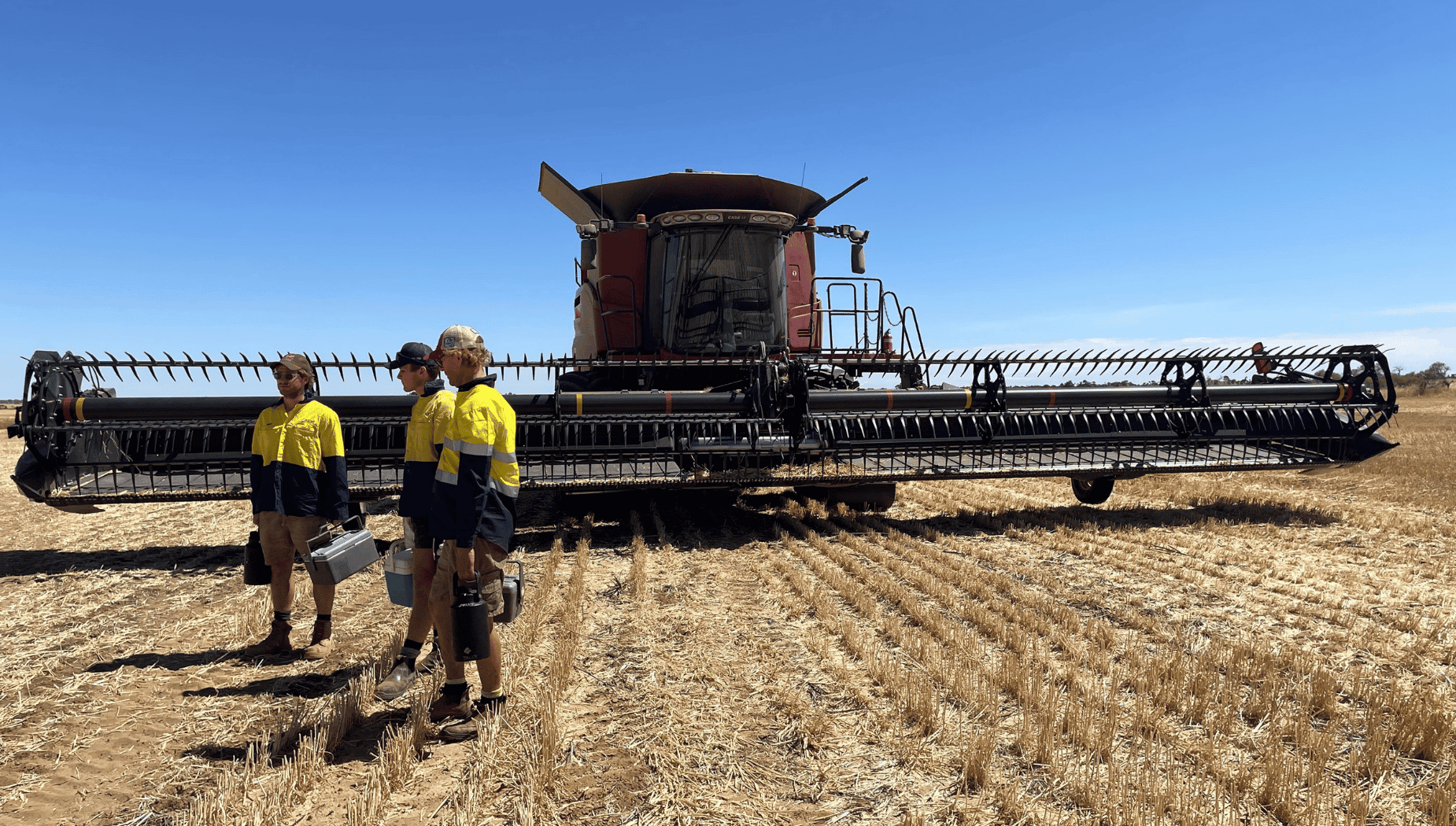
This HR guide for harvest covers some of the key areas farm employers should get in order - from recruitment and contracts to pay, onboarding and record keeping.
