
Seeding is one of the most demanding times of the year in Australian agriculture. With long hours, heavy machinery, fatigue risks, and chemical handling, workplace safety must be a priority to prevent injuries, costly downtime, and compliance breaches.
Knowing how to keep workers safe during seeding not only ensures a smooth and safe season, it helps you meet your Work Health and Safety (WHS) obligations, which require farms to implement risk management systems and safe work procedures.
Here’s how to prepare for a compliant and incident-free seeding season:
1. Machinery Safety: Pre-Start Checks and Maintenance
Tractors, seeders, sprayers, and other heavy machinery are essential to seeding operations but can pose serious risks if not properly maintained. A breakdown can cause delays, while mechanical failures may lead to serious injuries or fatalities.
Pre-Season Safety Checks
Before seeding starts, inspect and service all machinery, focusing on:
- Brakes and steering – Ensure all controls function correctly.
- Tyres and hitch points – Check for wear and proper connection.
- Lights, indicators, and safety decals – Confirm visibility and functionality.
- Guards and shields – Ensure protective covers are in place over moving parts.
- Hydraulics and fluid levels – Look for leaks or pressure issues.
- Emergency stop mechanisms – Test all safety shut-offs.
Daily Pre-Start Inspections
Farms should implement a daily machinery checklist to identify any faults before starting work.
2. Managing and Recognising Fatigue
Fatigue is a major safety concern during seeding and is often underestimated. Long shifts, early starts, and late nights can impair judgment and reaction times, increasing the risk of serious incidents.
Setting Reasonable Work Hours
- Limit shifts to 12-14 hours where possible.
- Ensure workers have at least 10-hour rest breaks between shifts.
- Encourage hydration and regular breaks to prevent exhaustion.
How to Recognise the Signs of Fatigue
- Slower reaction times.
- Difficulty concentrating.
- Poor decision-making or risk-taking behaviour.
- Increased near-misses or small mistakes.
Fatigue-related incidents are preventable with proper work scheduling, hydration, and rest breaks. Employers have a legal duty under WHS laws to monitor and manage worker fatigue.
3. Storing and Handling Chemicals Safely?
Chemical exposure is a major workplace hazard during seeding, especially when handling pesticides, herbicides, and fertilisers. Incorrect storage, handling, or disposal can lead to poisoning, respiratory issues, and environmental contamination.
Safe Chemical Storage
- Store chemicals in labelled, ventilated, and locked areas.
- Maintain Material Safety Data Sheets (MSDS) for all substances.
- Conduct Chemical Risk Assessments before use.
Personal Protective Equipment (PPE) and Handling
All workers handling chemicals must be trained in:
- Safe mixing and application of chemicals
- Proper use of PPE, including gloves, respirators, and eye protection
- Emergency procedures for spills, leaks, or exposure
For more help, read our article on Managing Chemicals Safely
4. Identifying and Managing Hazards
Every farm presents unique risks, from terrain and weather to machinery and livestock. WHS regulations require risk assessments to be conducted and updated before each season to prevent injuries.
Common Seeding Risks to Address
- Machinery rollovers – Identify high-risk areas such as steep slopes or wet conditions.
- Entanglement hazards – Ensure guards are in place on PTOs, augers, and conveyors.
- Manual handling risks – Reduce strain injuries by using mechanical lifting aids.
- Weather extremes – Prepare for heat, cold, or wet conditions.
Review and Update Safety Plans
- Ensure Safe Work Procedures are in place for high-risk tasks.
- Train workers in incident reporting and emergency response.
- Use ProcessWorxShield to digitally manage risk assessments and keep records updated.
5. Emergency Preparedness
Emergencies can happen at any time, and a quick response can save lives. Before seeding begins, ensure:
- Workers understand emergency procedures for fires, machinery accidents, and chemical exposure.
- First aid kits are fully stocked and easily accessible.
- At least one worker per shift is trained in first aid.
- Fire extinguishers and emergency shut-offs are functional.
- Communication systems (radios, GPS, mobile coverage) are tested.
Run Emergency Drills
Practicing emergency scenarios improves response times and ensures workers feel prepared to handle critical situations.
Farm safety during seeding is not just about compliance, it’s essential for keeping workers safe, maintaining efficiency, and preventing costly disruptions. By proactively addressing machinery risks, fatigue, chemical safety, and emergency preparedness, farms can create a safer working environment and meet their WHS obligations. If you’d like your safety systems reviewed before seeding, please contact us on 08 9316 9896 or get in touch here.
Follow ProcessWorx on LinkedIn, Facebook, Instagram, YouTube, and X to keep up with the latest HR and Safety news.
STAY IN THE LOOP
Subscribe to our free newsletter.
Leave A Comment
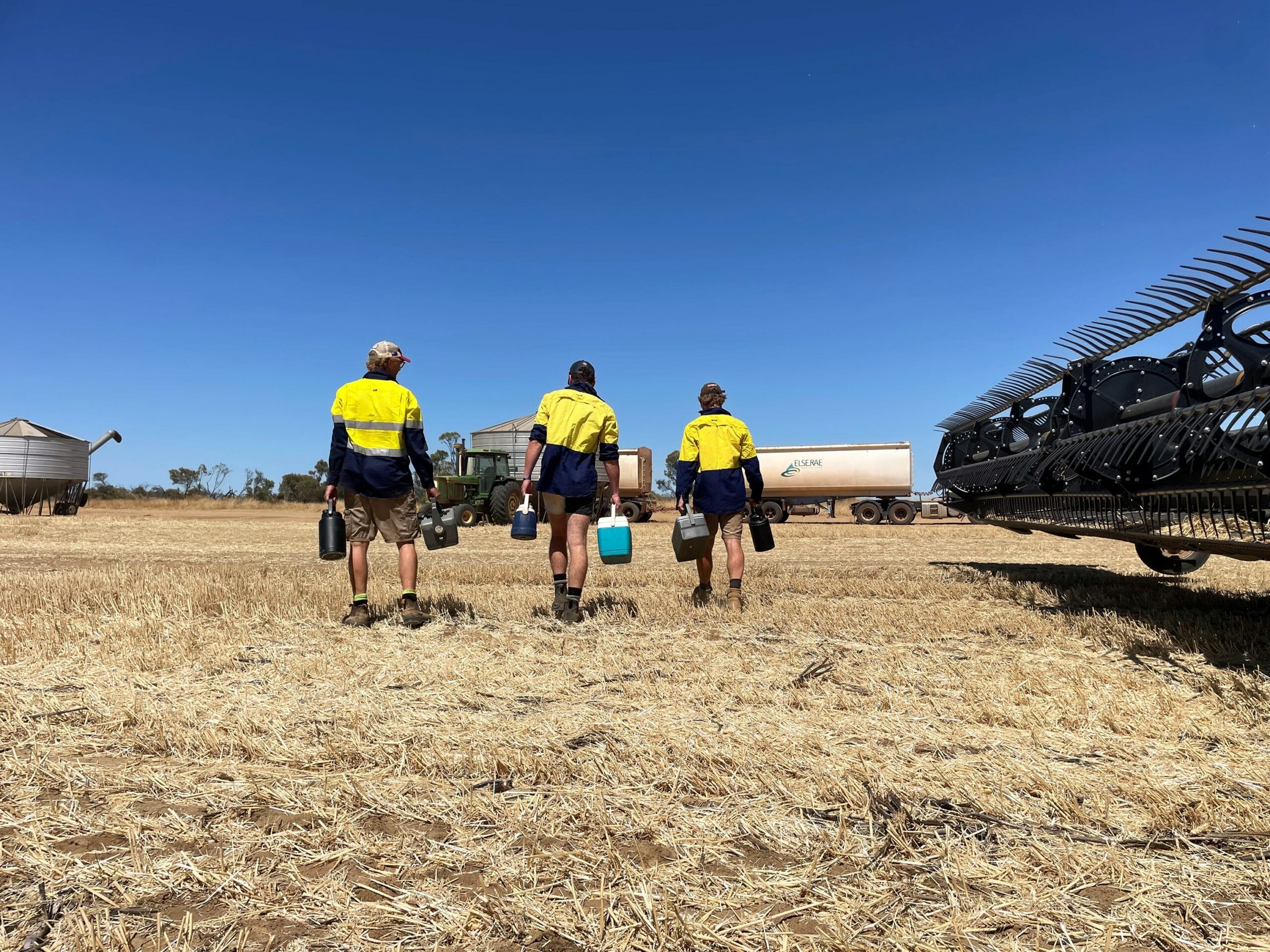
Visa delays and paused working holiday applications are adding pressure ahead of WA’s grain harvest. With seasonal workers harder to secure, getting every new starter onboarded, inducted and paid correctly matters.
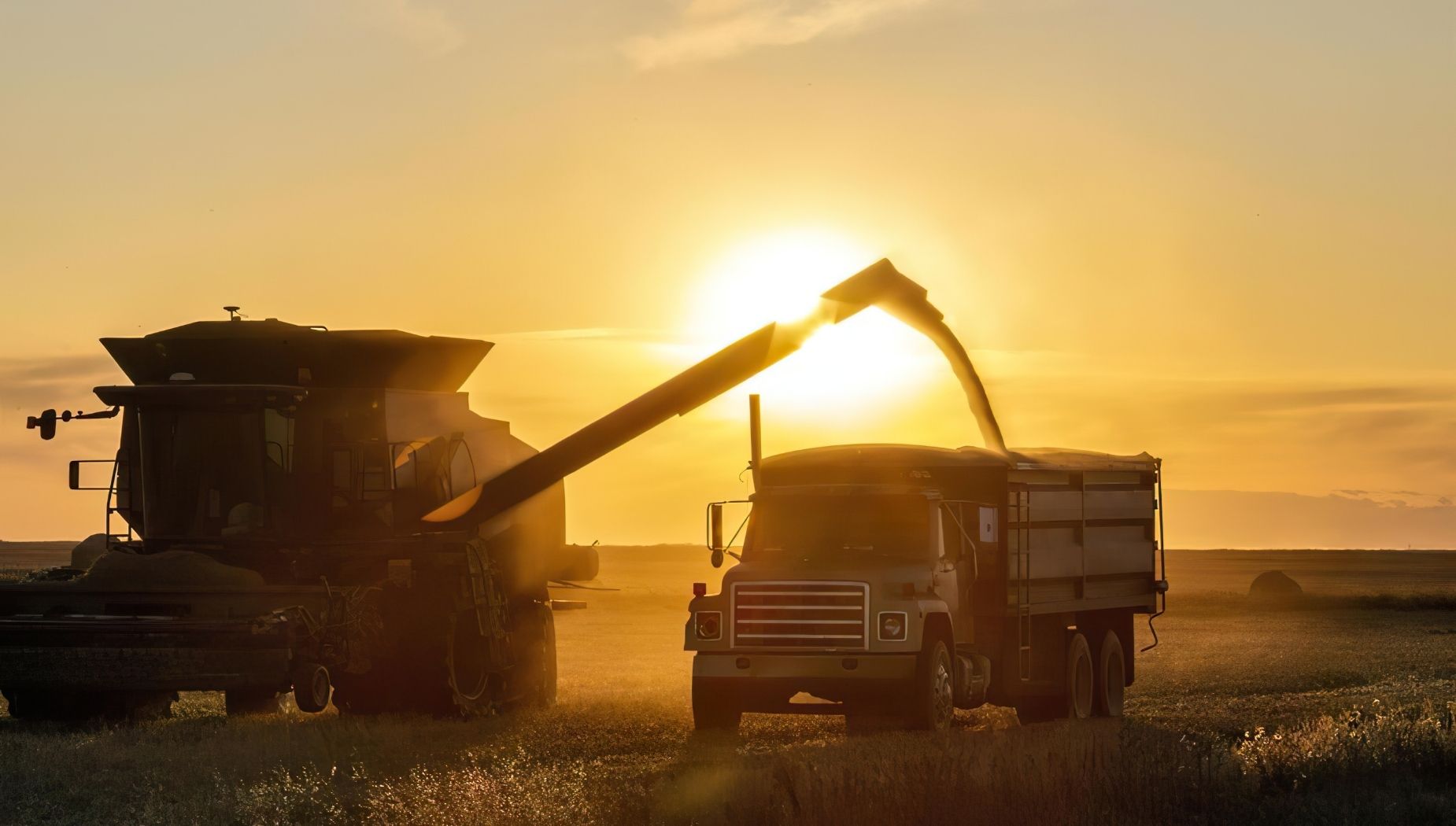
Harvest recruitment is underway, and finding reliable seasonal workers can be challenging. Here are some strategies to help farms attract and retain the right people.
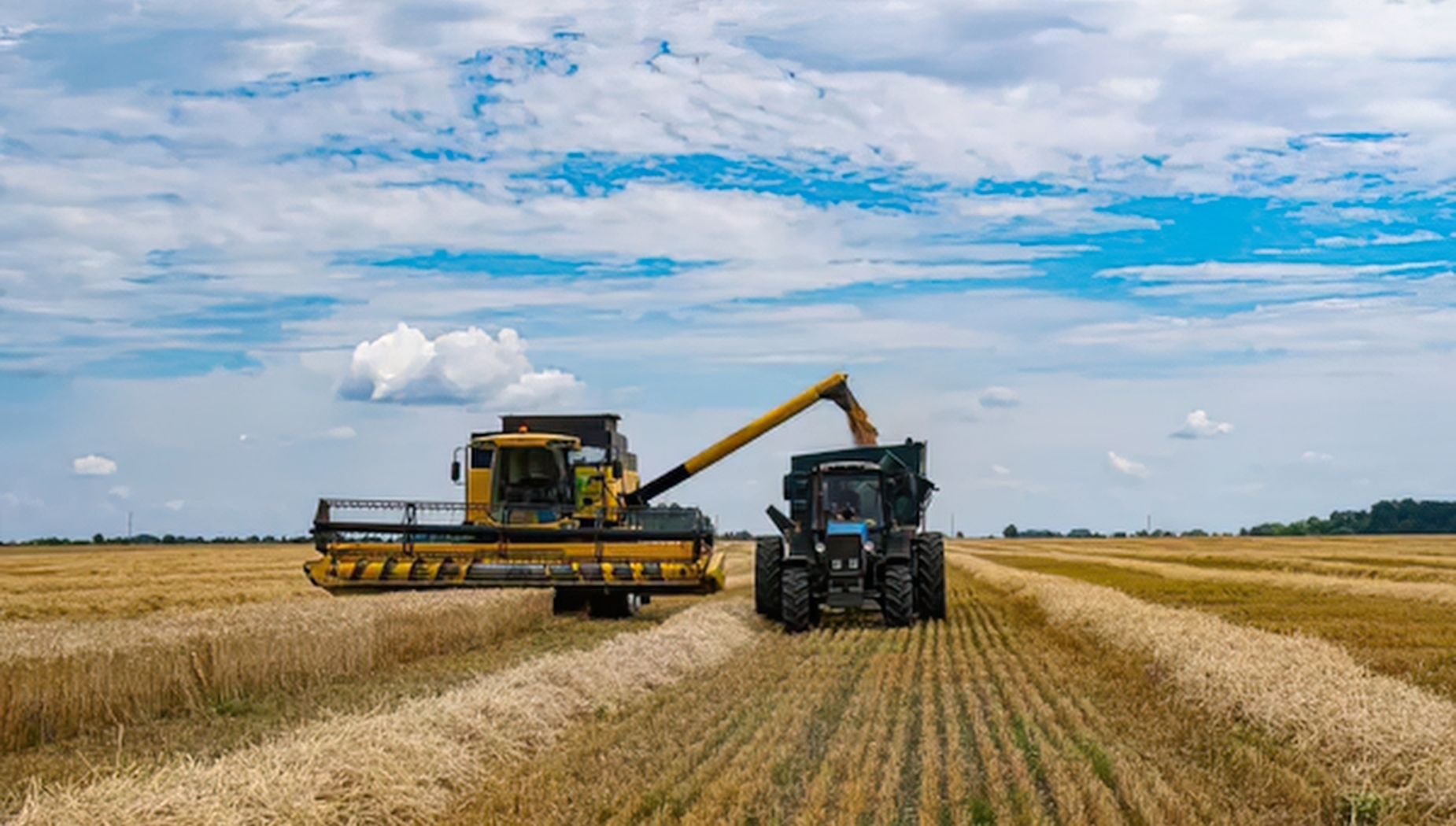
Harvest brings long hours, heavy machinery and increased safety risks. Our harvest safety guide covers what farms should consider to keep workers safe.
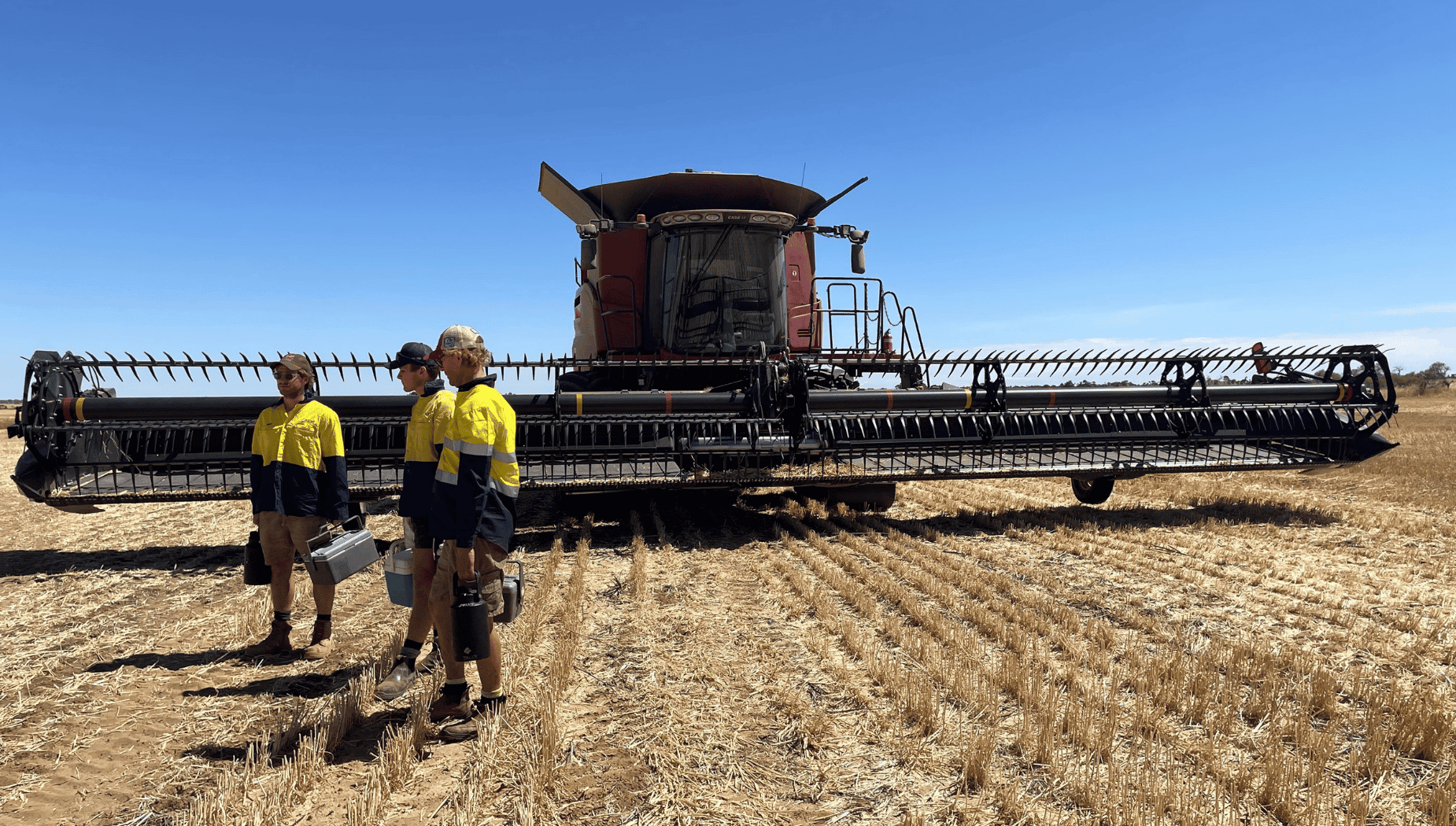
This HR guide for harvest covers some of the key areas farm employers should get in order - from recruitment and contracts to pay, onboarding and record keeping.
