
From spraying crops to treating livestock, most farms use hazardous chemicals as part of day-to-day operations. While these substances are often essential, they may come with serious health and safety risks, especially if they’re not handled or managed correctly.
One of the biggest concerns with chemicals like pesticides, fungicides, herbicides and insecticides is that the effects of exposure aren’t always immediate. Repeated exposure can lead to irritation, respiratory problems, or even chronic illnesses. That’s why staying informed, using proper handling procedures, and keeping accurate chemical records is critical.
Not only does safe chemical management keep yourself, workers, and farm safe, it ensures you meet your WHS duties. Ensuring smart and safe chemical management on farms helps protect the long-term health of your people and your business.
How can you reduce the risks of hazardous chemicals?
Keeping yourself and your team safe starts with a few key measures:
- Assess each chemical for risk – consider its toxicity, use, and required controls.
- Implement safe handling and storage procedures.
- Use safer alternatives where available.
- Train your team on how to use, store, and dispose of chemicals safely.
- Keep chemicals in their original, clearly labelled containers.
- Wear the correct PPE as recommended in the Safety Data Sheet (SDS).
- Read and follow current SDSs and product labels.
- Stay updated on banned or restricted products.
- Communicate risks clearly with all workers and family members.
- Ensure that an Emergency eye wash/shower is available nearby when there is a risk of contact with hazardous chemicals.
- Seek medical advice if symptoms of exposure appear.
Do you need keep chemical records ?
Managing chemical risks isn’t just about how chemicals are used, it’s also about how they’re documented.
Under WHS laws, farms must maintain a current Chemical Register, including up-to-date Safety Data Sheets and, where required, risk assessments for all hazardous substances onsite.
Without accurate records, it becomes much harder to demonstrate compliance or respond effectively if something goes wrong.
How can you manage chemical records more effectively?
Keeping chemical records up to date can be time-consuming, particularly during busy periods.
ProcessWorxShield simplifies this by allowing you to:
- Generate SDSs and draft chemical risk assessments quickly.
- Record and update chemicals directly from your phone, even on-site.
- Store everything digitally, no binders or spreadsheets required.
This gives you confidence that your chemical management is consistent, accessible and compliant.
At ProcessWorxAg, we are committed to helping farms strengthen their Work Health & Safety practices. If you need help with chemical safety and record keeping, please contact us on 08 9316 9896 or get in touch.
Follow ProcessWorx on LinkedIn, Facebook, Instagram, YouTube, and X to keep up with the latest HR and Safety news.
STAY IN THE LOOP
Subscribe to our free newsletter.
Leave A Comment
Comments are closed.
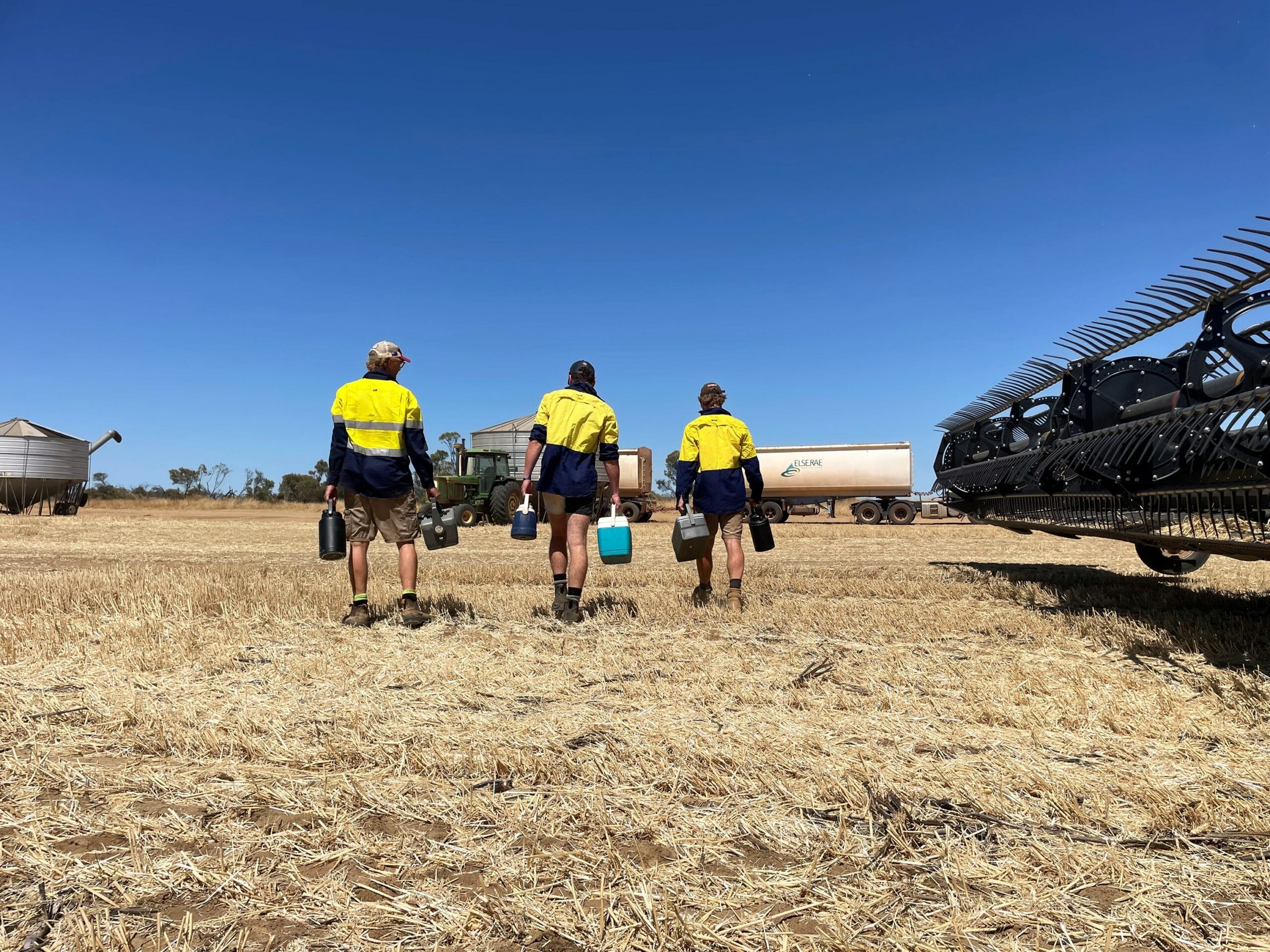
Visa delays and paused working holiday applications are adding pressure ahead of WA’s grain harvest. With seasonal workers harder to secure, getting every new starter onboarded, inducted and paid correctly matters.

Harvest recruitment is underway, and finding reliable seasonal workers can be challenging. Here are some strategies to help farms attract and retain the right people.
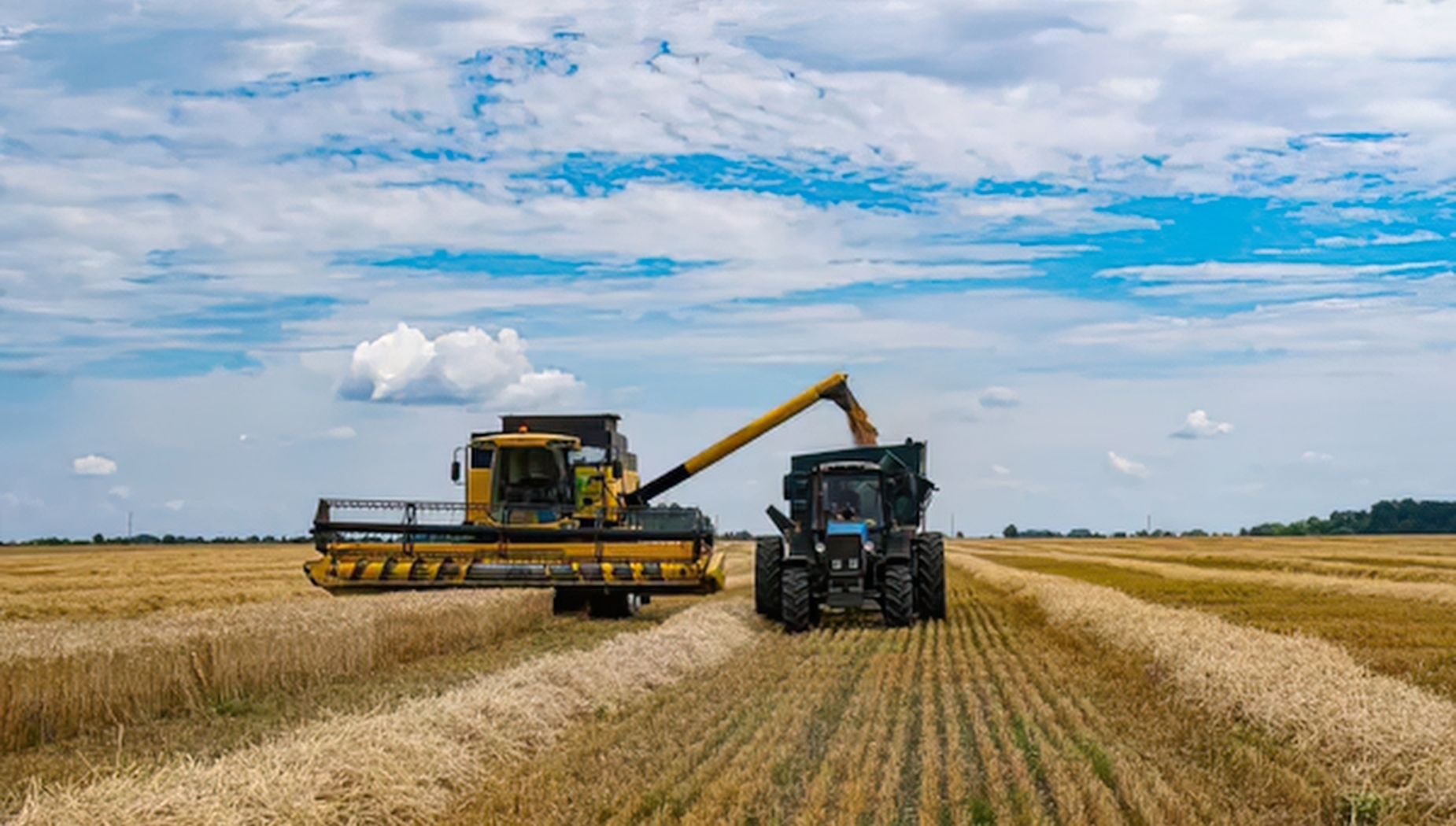
Harvest brings long hours, heavy machinery and increased safety risks. Our harvest safety guide covers what farms should consider to keep workers safe.
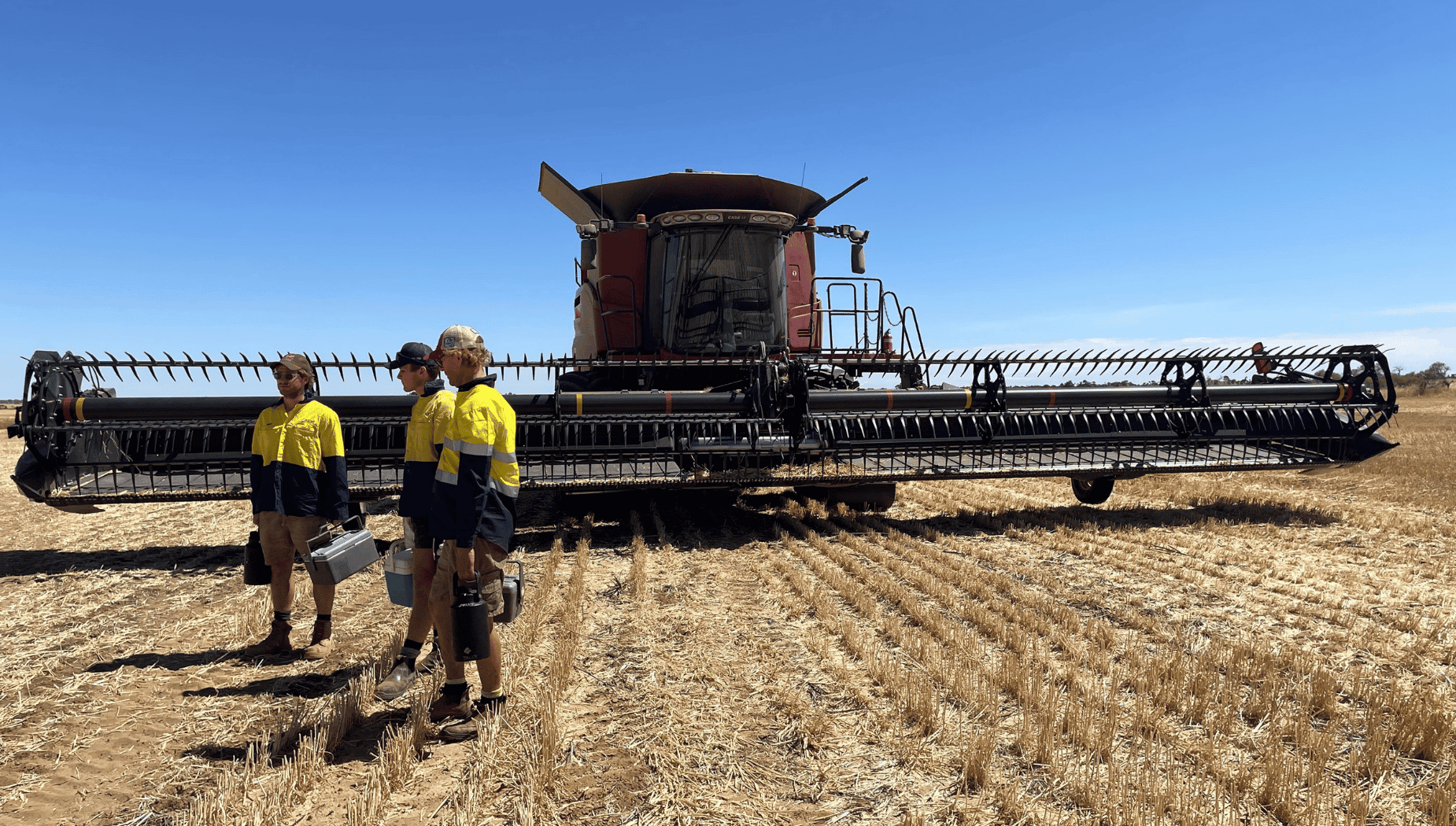
This HR guide for harvest covers some of the key areas farm employers should get in order - from recruitment and contracts to pay, onboarding and record keeping.

[…] For more help, read our article on Managing Chemicals Safely […]