
Managing staff during seeding is one of the biggest challenges for farms. With long hours and heavy workloads, it’s easy to focus purely on operations. However, your HR obligations as an employer do not change during seeding, in fact you may find yourself with more.
Getting your HR foundations right before and during seeding helps reduce risk, avoid disputes, and keep your team working safely and productively when it matters most.
What HR responsibilities do farms have when managing staff during seeding?
During seeding, employers must still meet their obligations, including:
- Paying employees correctly for all hours worked, per pay period.
- Providing a safe working environment.
- Managing performance and behaviour appropriately.
- Keeping accurate employee records.
This is particularly important where seasonal or short-term workers are engaged, as they may be less familiar with your systems and expectations.
How do you set clear roles and expectations during seeding?
Seeding often involves high-pressure work and shifting priorities. Workers need to clearly understand what is expected of them. Make sure:
- Each worker understands their role and responsibilities.
- Hours of work and availability expectations are clear.
- Pay structures are explained, including hourly rates, flat rates, overtime and allowances.
Setting expectations early reduces confusion, minimises disputes and makes it easier to manage issues if they arise.
How should pay be managed during seeding?
Pay issues commonly arise during the seeding period. Variable hours can quickly create compliance risks if not managed correctly. Focus on what is actually happening on farm:
- Are all hours worked being accurately recorded?
- Are overtime or additional hours being recorded and paid correctly?
- Are flat or daily rates covering what they are intended to, or falling short during peak periods?
Recent changes mean pay must meet Award requirements each pay period, not averaged across the season. Where hours increase, underpayments can occur if systems are not maintained.
What should inductions and HR onboarding look like during seeding?
Seeding often brings in new or returning workers, sometimes at short notice. (Managing seasonal employees during seeding requires a slightly different approach, you can read more about this here.) Ensure:
- All workers are onboarded and inducted before starting.
- Safety expectations and site rules are clearly explained.
- Inductions are completed and records are retained.
How do you manage performance and conduct during busy periods?
Pressure and fatigue can lead to frustration, conflict or reduced performance. It is important to:
- Address issues early, not after seeding.
- Set clear expectations around behaviour.
- Document conversations where required.
Ignoring issues during seeding often leads to more significant problems later.
Why is record keeping critical during seeding?
During busy periods, record keeping is often overlooked, but this is when it matters most. Ensure you are maintaining:
- Accurate records of hours worked.
- Correct payslips.
- Records of incidents, discussions and performance matters.
If something goes wrong, your records are your strongest protection.
How can you support your team during seeding?
Seeding is demanding both physically and mentally. A well-supported team is more likely to perform at a higher level, work safely and remain engaged. Simple steps include:
- Regular check-ins with workers.
- Clear communication throughout the day.
- Acknowledging effort.
Strong leadership during seeding builds trust and improves retention beyond the season.
How do you get through seeding without HR issues?
With clear expectations, compliant systems and proactive management, farms can manage the busiest time of year with confidence. A structured approach to HR during seeding reduces risk and supports better outcomes across the season.
If you’re unsure whether your current approach covers all of these areas, or want to sense-check your contracts, pay rates or onboarding processes before things ramp up, it’s worth reviewing now.
Our team can help you identify any gaps and make sure you are ready to head into the season, call (08) 9316 9896 or get in touch here.
Follow ProcessWorxAg on LinkedIn, Facebook, Instagram, YouTube, and the Lets Chat HR & Safety Podcast to keep up with the latest HR and Safety news.
STAY IN THE LOOP
Subscribe to our free newsletter.
Leave A Comment
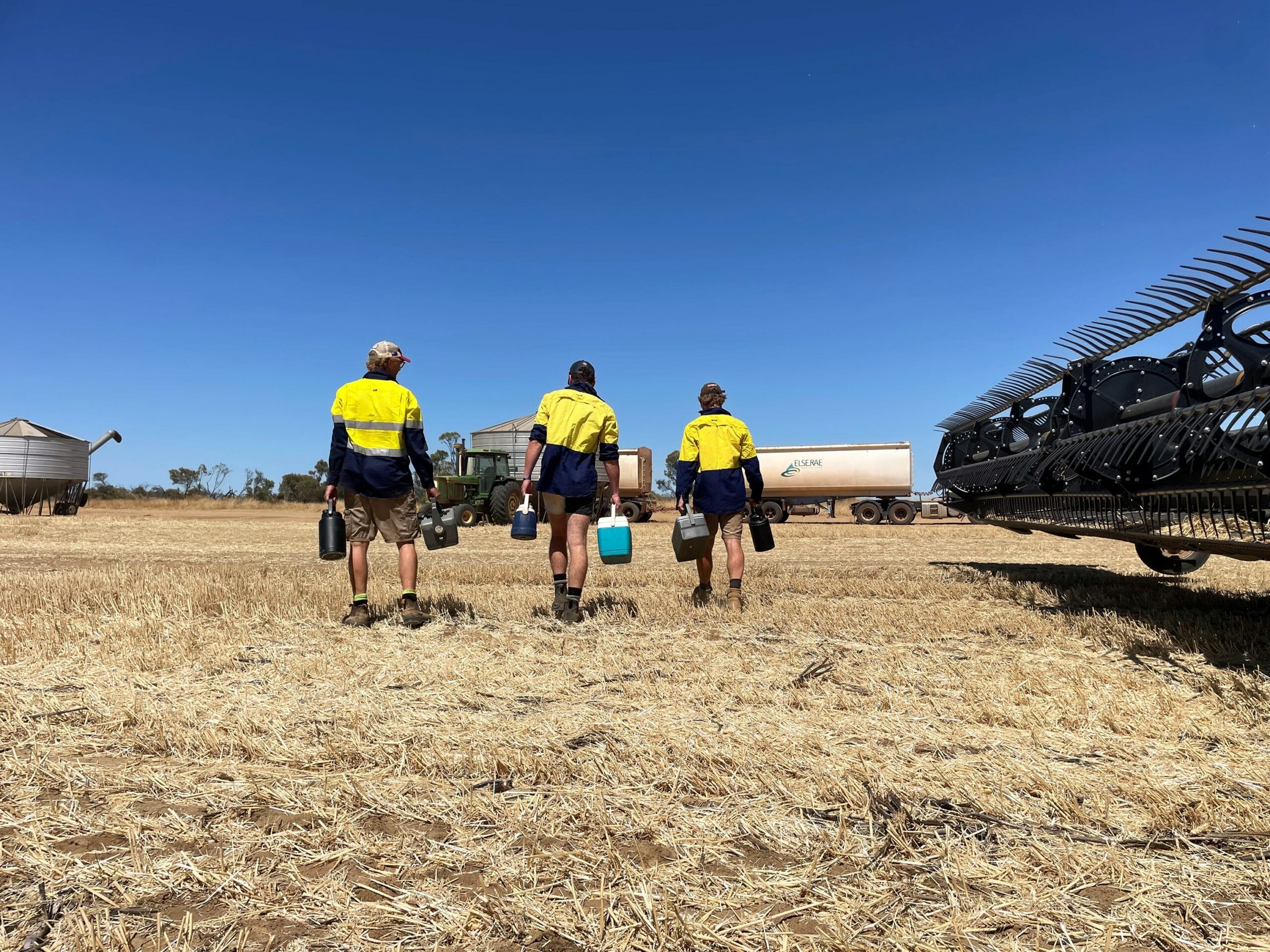
Visa delays and paused working holiday applications are adding pressure ahead of WA’s grain harvest. With seasonal workers harder to secure, getting every new starter onboarded, inducted and paid correctly matters.
Harvest recruitment is underway, and finding reliable seasonal workers can be challenging. Here are some strategies to help farms attract and retain the right people.
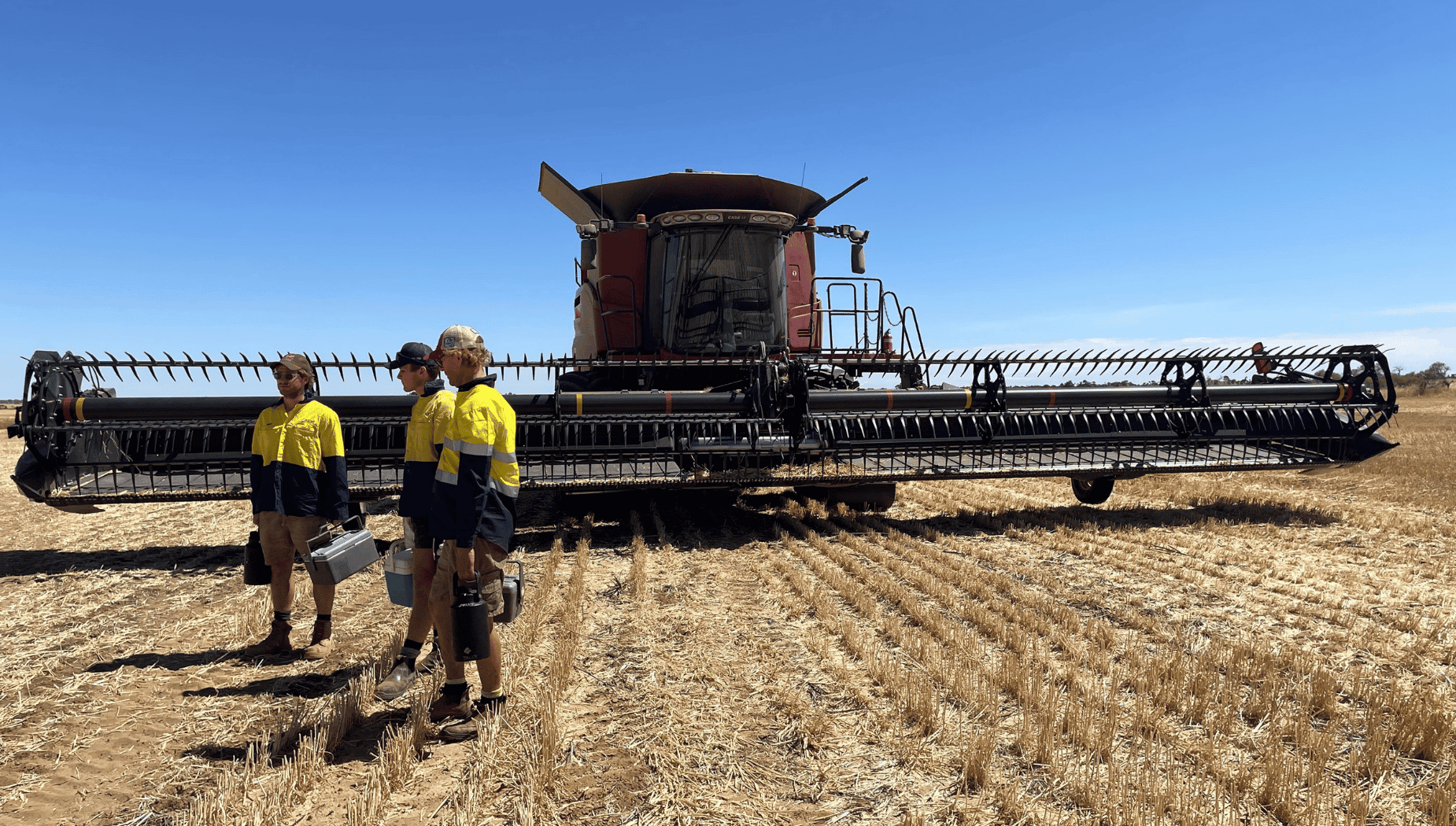
This HR guide for harvest covers some of the key areas farm employers should get in order - from recruitment and contracts to pay, onboarding and record keeping.
While pay remains important, it's not the only reason people stay or leave. There are several common factors that influence whether good workers remain with a business long-term.
