
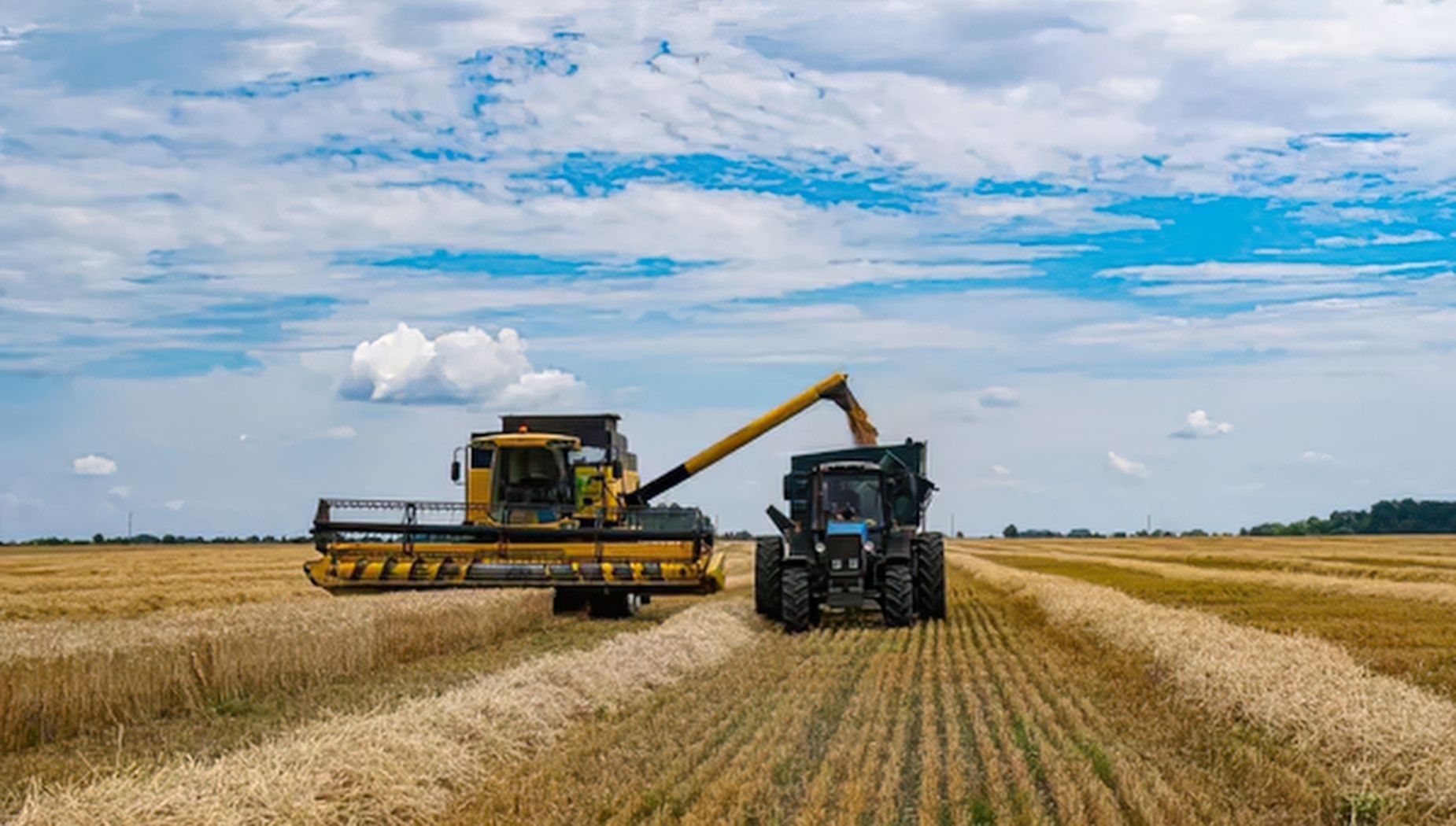
Harvest puts pressure on just about every part of a farm’s safety systems. Machinery is working longer hours, people are working extended shifts, seasonal workers may be joining the team and there’s often less room for delays when something goes wrong.
Many of the hazards themselves aren’t new. What changes during harvest is how often workers are exposed to them, the conditions they’re working under and how much pressure there is to keep things moving.
Addressing these matters before harvest begins provides an opportunity to find and fix gaps before the busy period hits.
Start with what has changed
Your farm won’t necessarily operate the same as it did last harvest.
There may be new machinery, different workers or contractors, changes to work practices or different areas of the property in use. Even where operations appear largely the same, control measures that worked last year should still be reviewed to confirm they remain effective.
Review the risk register, walk through the farm and speak to the people who will be undertaking the work. Consider the tasks that are planned for this harvest, the hazards involved and whether the existing control measures still remain appropriate sense. If you don’t have a risk register, learn how to build one here.
Check machinery before you need it
Harvest puts plant and equipment through long periods of use. The middle of a busy shift is not the time to to discover your machinery needs attention.
Before harvest, inspect machinery and deal with maintenance or defects. Check guards and safety devices, moving parts and entanglement points, emergency stops and controls, and make sure pre-start checks are being completed.
Fire risk also needs attention. Worn components, bearings, spark arrestors and other potential ignition sources should form part of pre-harvest inspections and maintenance.
Workers need to know how to report a defect and what to do if machinery becomes unsafe. Adjustments, clearing blockages, servicing and maintenance should only happen once machinery has been properly isolated.
Make sure people know what they’re doing
Having someone available to operate a piece of machinery doesn’t necessarily mean they’re trained and ready to use it safely.
Seasonal workers, young or inexperienced employees and people doing unfamiliar jobs may need additional training or supervision.
Before they start, ensure workers understand the hazards associated with the tasks, the procedures they need to follow and how to safely use the equipment provided. Workers should also know how to report hazards, incidents and defects, what to do in an emergency and who to ask if they’re unsure.
Training is only useful if workers can actually apply it once they’re on the job.
Review how higher-risk work is done
Safe work procedures should match what actually happens on the farm.
Before harvest, review procedures for jobs such as operating and maintaining machinery, clearing blockages, isolation and lock-out, loading and unloading, working at heights, handling chemicals and working around mobile plant.
If the machinery or way a job is performed has changed, the procedure may need to change with it. Make sure those changes reach the people doing the work, rather than stopping at an updated document.
Plan for the long days
Fatigue can creep up quickly during harvest.
Long shifts are only part of the picture. Consecutive days, early starts, night work, limited recovery time, physically demanding work and the drive to and from the farm can all contribute.
Consider expected hours and breaks before harvest begins and think about how supervisors will recognise and respond when someone is fatigued. This becomes particularly important when workers are driving or operating machinery, where slower reactions or poor judgement can have serious consequences.
Know where your people are
Working alone or some distance from others is common on-farm, and harvest can make it even more frequent.
Think about where people will be working, whether phone reception is reliable and how often they should check in. Where mobile coverage is poor, another form of communication may be needed.
Most importantly, everyone should know what happens if a worker doesn’t check in when expected.
Be ready if something goes wrong
Emergency plans are much easier to establish and test before there’s an emergency.
Check that emergency contact details are current, first aid kits are stocked and accessible, firefighting equipment is serviceable and communication equipment and protocols.
Workers should know how to raise an alarm, what to do following a serious incident and how to give emergency services clear information about their location and property access.
Get everyone on the same page
Before harvest starts, get the team together.
A pre-harvest toolbox meeting provides an opportunity to discuss the work ahead, key hazards and controls measures, machinery, fatigue, communication arrangements, emergency procedures and anything that has changed since last season.
It also gives workers the chance to raise any issues that may have been missed. The people performing the tasks are often who can spot a hazard or identifying an emerging issue.
Keep checking once harvest starts
Good preparation helps, but conditions will change once harvest is underway. Equipment breaks, weather changes, workers get tired and different jobs come up.
Keep talking to your team and act on hazards, near misses, defects and concerns as they arise. If something changes, check the risk again and make sure the control measures are still effective.
Harvest moves quickly. Your safety management needs to keep up with it.
Need help with safety this harvest?
ProcessWorxAg can help review your farm’s WHS systems and identify areas that may need attention before harvest gets underway.
If you like help getting your safety in order this harvest, contact us on (08) 9316 9896 or get in touch here.
Follow ProcessWorxAg on LinkedIn, Facebook, Instagram, YouTube, and the Lets Chat HR & Safety Podcast to keep up with the latest HR and Safety news.
STAY IN THE LOOP
Subscribe to our free newsletter.
Leave A Comment
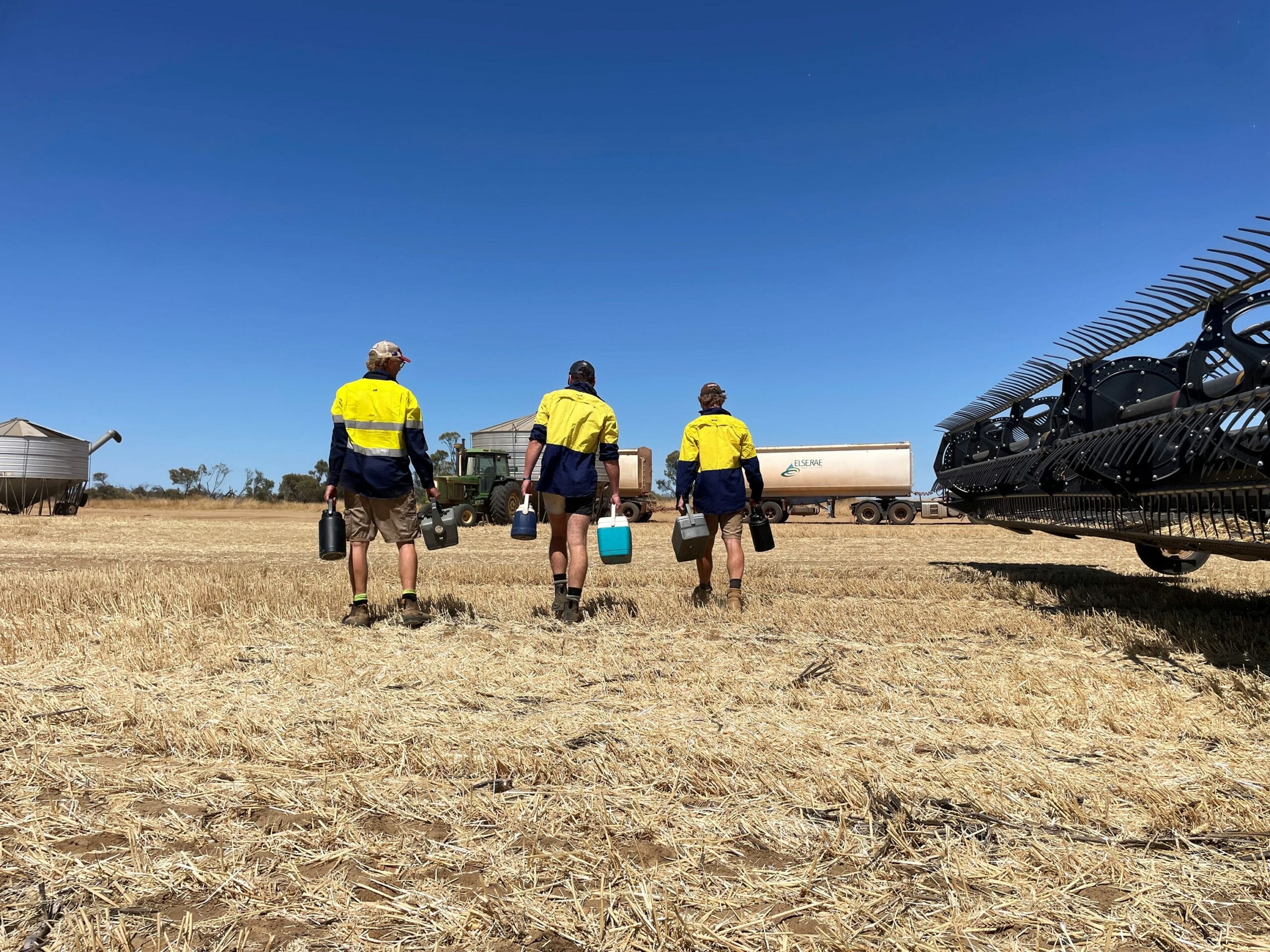
Visa delays and paused working holiday applications are adding pressure ahead of WA’s grain harvest. With seasonal workers harder to secure, getting every new starter onboarded, inducted and paid correctly matters.

Reactive safety doesn't necessarily mean no safety system. More often, it means the system is no longer influencing how work is actually performed.
Managing who is on-site and ensuring they’ve been properly inducted is a key part of maintaining a safe and compliant workplace. We’ve introduced a new Visitor & Contractor Induction feature in ProcessWorxShield to make this process simpler, more consistent, and easier to manage. Where Inductions Often Fall Short Visitors and contractors are often
Many farms have a risk register in place but in practice, it’s common for the document to be completed once, filed away, and rarely referred to again. Recently, we worked with a client who did not know how to use a risk register, which created a significant gap in their safety systems. What
