
Harvest season demands efficiency, safety, and effective staff management. This guide provides a starting point in preparing for harvest, outlining key practices to prepare your team and ensure a safe working environment.
Managing Seasonal Staff
1. Assess Needs:
Determine the number of staff needed, their skills, and whether roles should be full-time, part-time, casual, or contracted.
2. Budgeting:
Consider all costs, including wages, accommodation, and recruitment.
3. Documentation:
Prepare employment contracts and necessary paperwork. Use checklists to ensure smooth onboarding, including safety inductions.
4. Safety Training:
Train new staff in safe equipment use, and document processes. Hold regular safety meetings to address hazards and feedback.
5. Addressing Issues:
Address performance issues promptly. Start with a conversation, and if necessary, escalate to a formal meeting to resolve the issue.
Machinery Safety Essentials
1. Review Practices:
Ensure all employees are trained in safe machinery operation. Emphasize the importance of avoiding loose clothing or jewellery that could become entangled in equipment.
2. Pre-Start Checklist:
Before operating machinery, check that all guards are in place, wheel studs are tight, tyres are in good condition, and fluid levels are adequate.
3. Safe Operation:
Always engage the handbrake when machinery is stationary. Workers should stay clear of moving parts and avoid riding on attachments. Turn off machinery before dismounting.
4. Maintenance:
Regularly service machinery to prevent accidents. Ensure machinery is securely supported during maintenance to avoid crush injuries.
5. Fire Management:
Have a fire management plan in place with readily available and functional fire extinguishers. Test fire controls regularly to ensure they’re effective.
By focusing on machinery safety and effective staff management, you can ensure a safe and productive harvest. Proper preparation and communication are key to a successful season.
ProcessWorx has extensive experience working with farms to ensure they meet their HR and Safety obligations. Farmers can have peace of mind that a team of experts is helping their business, so you can focus on farming. If you have queries about anything above and want advice personalised to your business, contact us on (08) 9316 9896, or email enquiries@processworx.com.au
Follow ProcessWorx on LinkedIn, Facebook, Instagram, YouTube, and Twitter to keep up with the latest HR and Safety news.
STAY IN THE LOOP
Subscribe to our free newsletter.
Leave A Comment
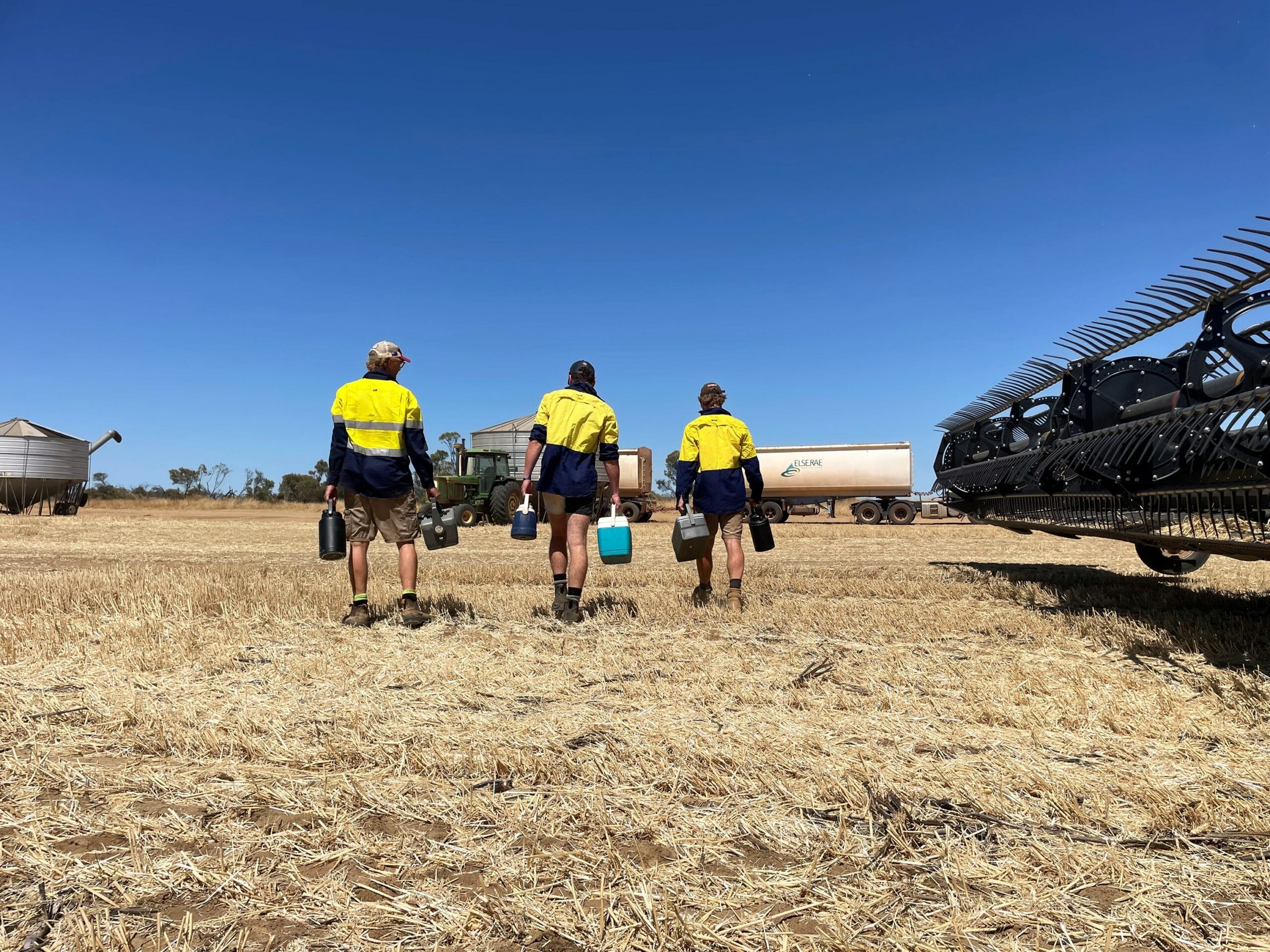
Visa delays and paused working holiday applications are adding pressure ahead of WA’s grain harvest. With seasonal workers harder to secure, getting every new starter onboarded, inducted and paid correctly matters.
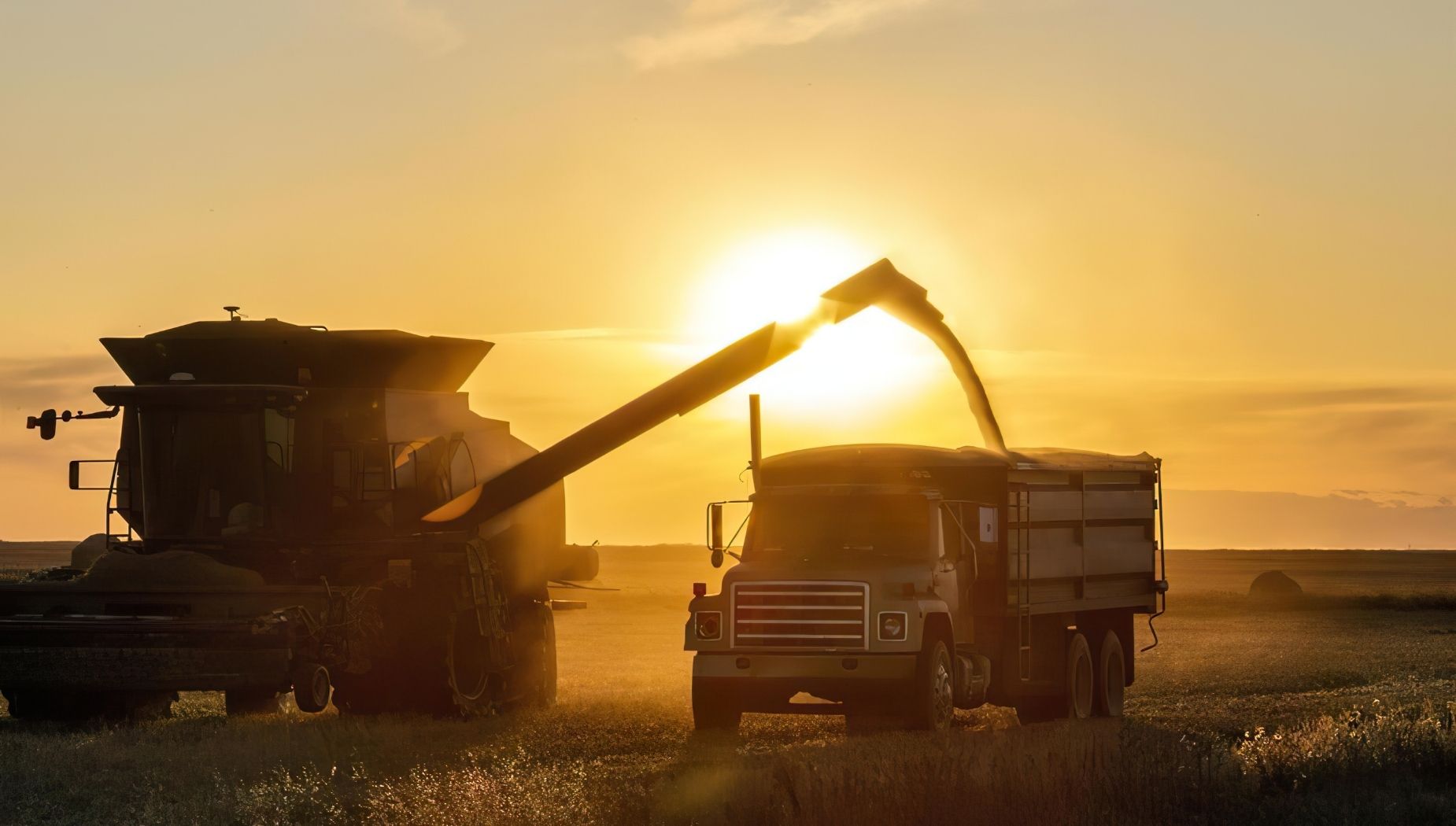
Harvest recruitment is underway, and finding reliable seasonal workers can be challenging. Here are some strategies to help farms attract and retain the right people.
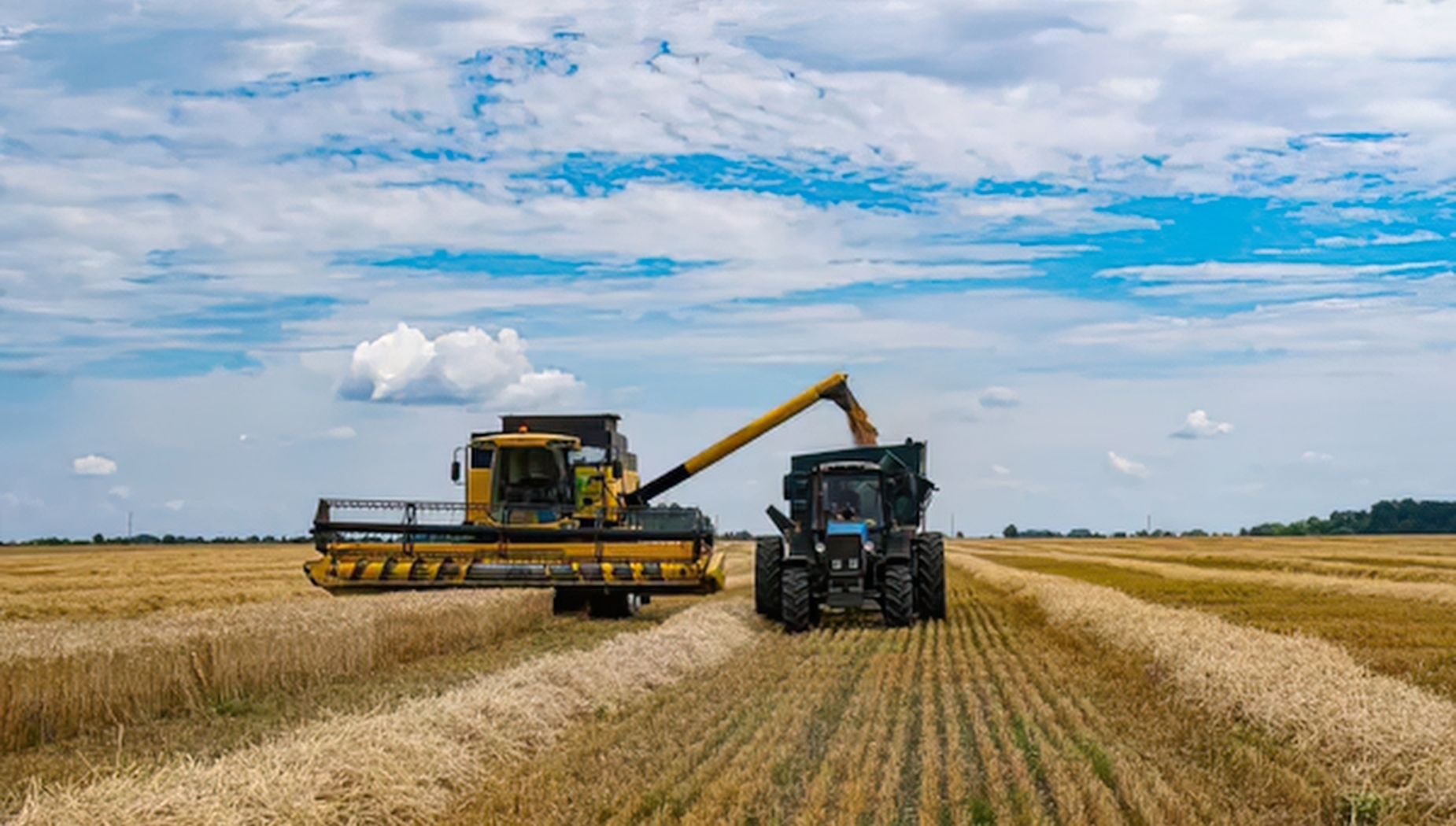
Harvest brings long hours, heavy machinery and increased safety risks. Our harvest safety guide covers what farms should consider to keep workers safe.
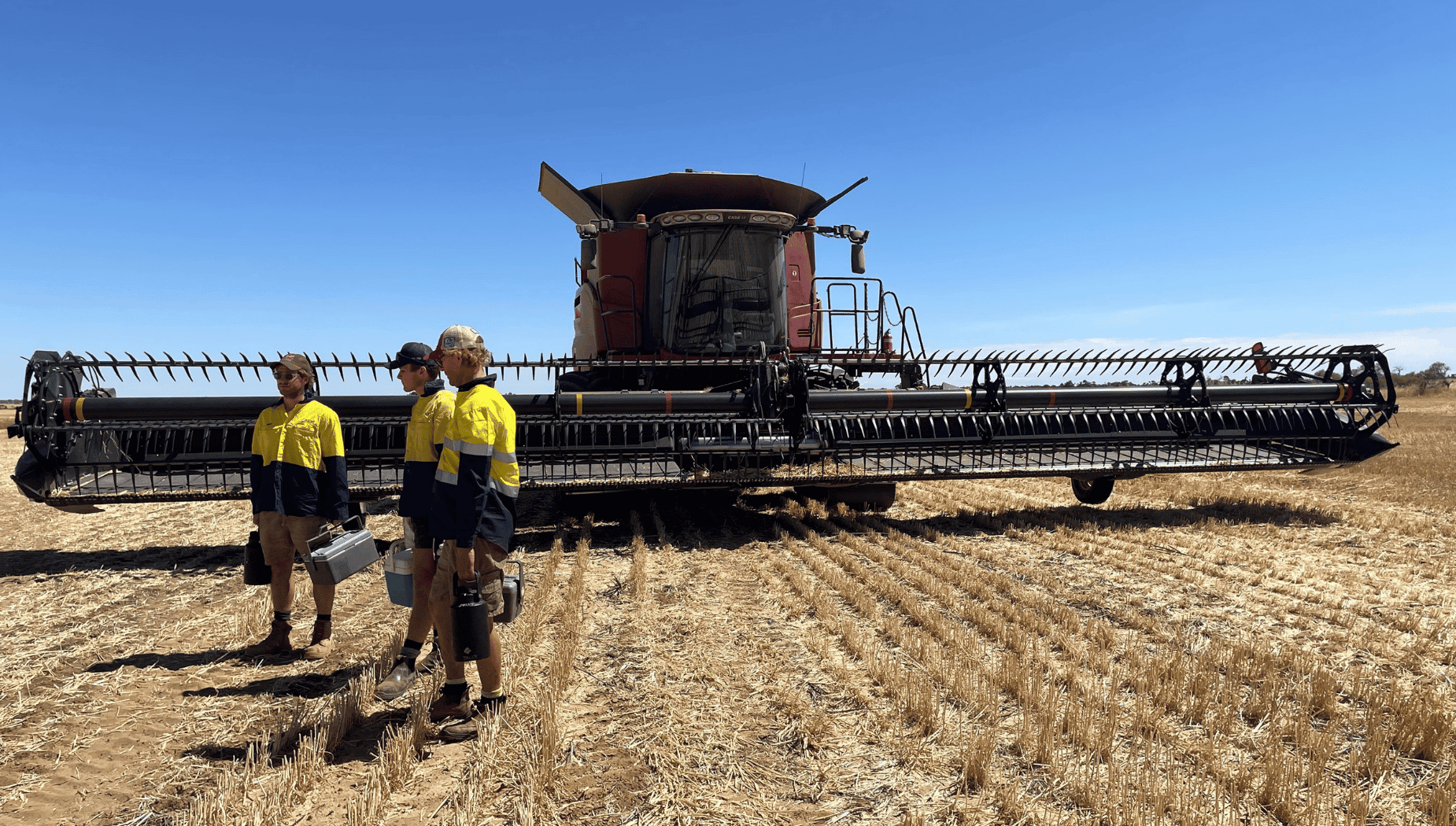
This HR guide for harvest covers some of the key areas farm employers should get in order - from recruitment and contracts to pay, onboarding and record keeping.
