
Bushfires are a significant hazard in Australia, particularly in Western Australia, which experiences some of the driest climatic conditions in the country. The hotter months bring heightened risks of fires due to dry conditions and strong winds, with devastating consequences for lives and properties.
As a business, it is crucial to prepare for bushfires to protect workers and assets. This includes managing risks associated with bushfires and bushfire smoke.
Preparing for Bushfire Events
- Provide training on bushfire preparedness.
- Take additional precautions for workers with heart or lung conditions, diabetes, pregnancy, or disabilities.
- Check door and window seals.
- Ensure fire equipment is functional.
- Supply and train workers on using protective equipment like P2/N95 masks and eye protection.
- Stay informed about local conditions and air quality.
- Create a bushfire plan.
Responding to Bushfire
- Follow advice from emergency services and health authorities.
- Reschedule or suspend outdoor work.
- Keep doors and windows closed during poor air quality periods.
- Set air conditioners to recycle mode.
- Seek immediate medical help if workers experience breathing difficulties or other health concerns.
To reduce the likelihood of bushfires in fire prone areas, it’s essential to take preventative measures. Creating a bushfire plan is one of the most critical and valuable things you can do.
At Processworx, we recognise that safeguarding the well-being of workers is critical to maintaining operational integrity. By fostering a culture of proactive preparedness, PCBUs can protect their workforce and help secure the long-term stability of their operations.
If you would like to learn how ProcessWorx can help with Human Resources or Work Health & Safety, please contact us on 08 9316 9896, enquiries@processworx.com.au. Also watch an Introduction to ProcessWorx.
Follow ProcessWorx on LinkedIn, Facebook, Instagram, YouTube, and X to keep up with the latest HR and Safety news.
STAY IN THE LOOP
Subscribe to our free newsletter.
Leave A Comment
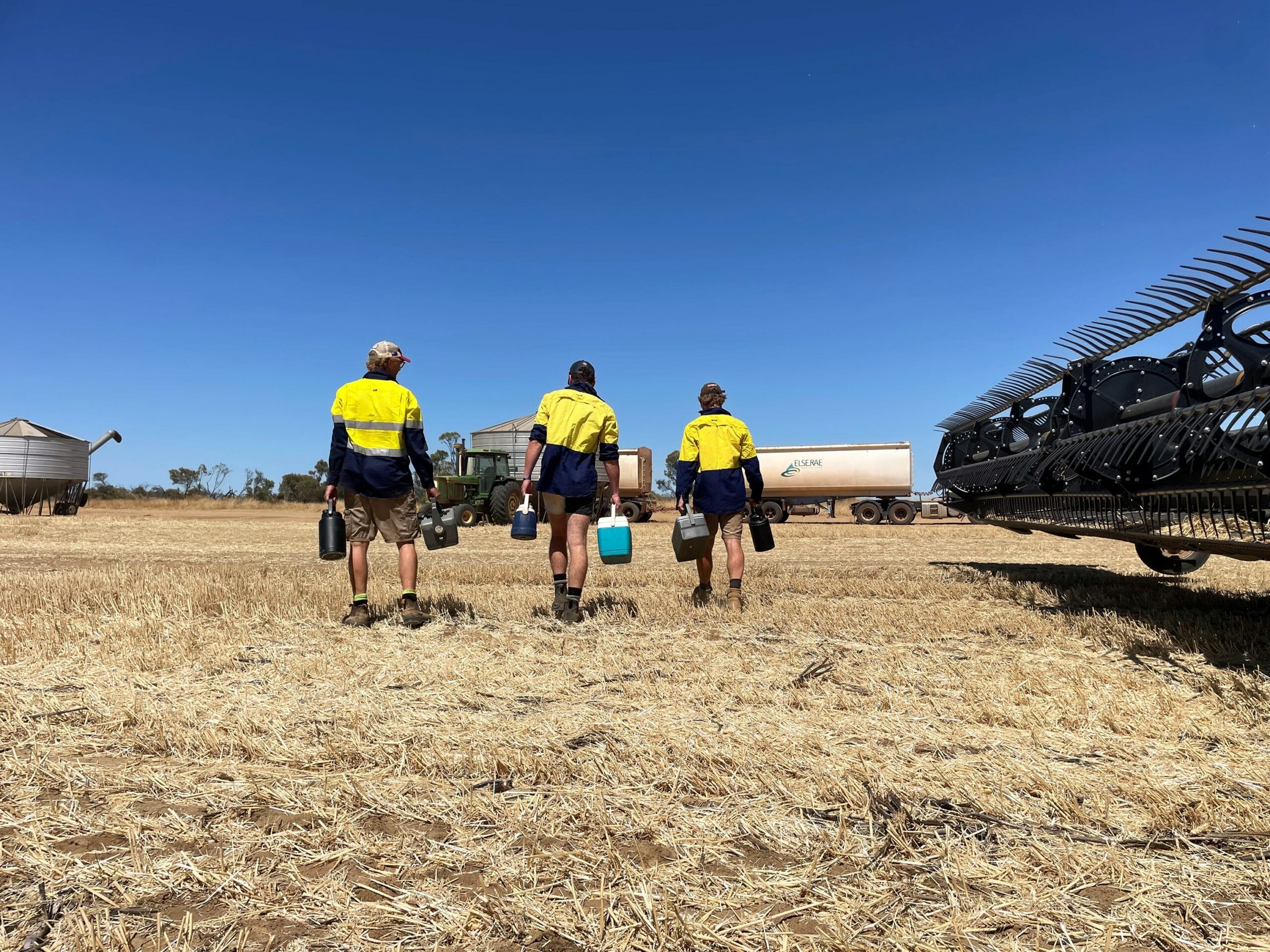
Visa delays and paused working holiday applications are adding pressure ahead of WA’s grain harvest. With seasonal workers harder to secure, getting every new starter onboarded, inducted and paid correctly matters.
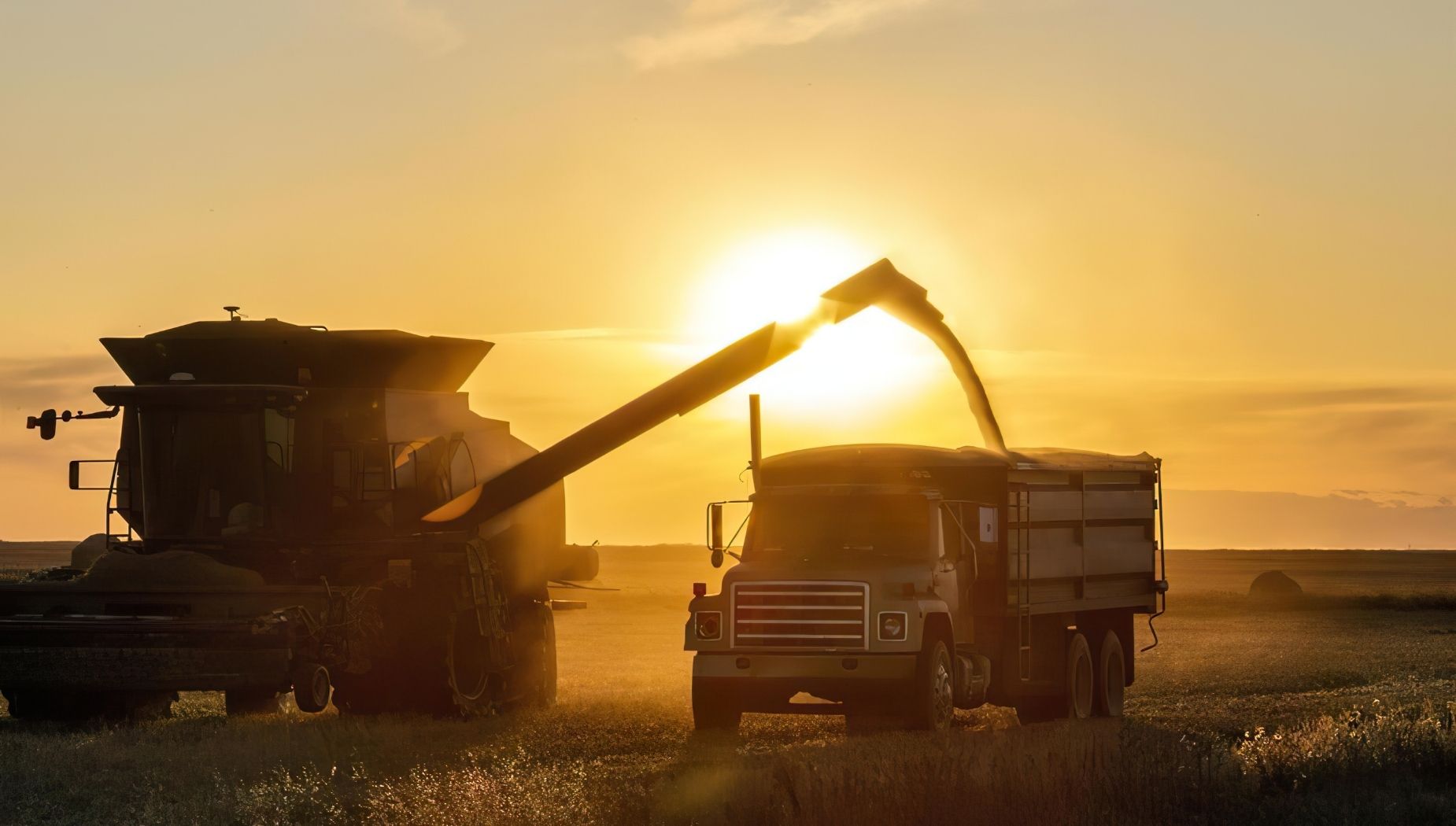
Harvest recruitment is underway, and finding reliable seasonal workers can be challenging. Here are some strategies to help farms attract and retain the right people.
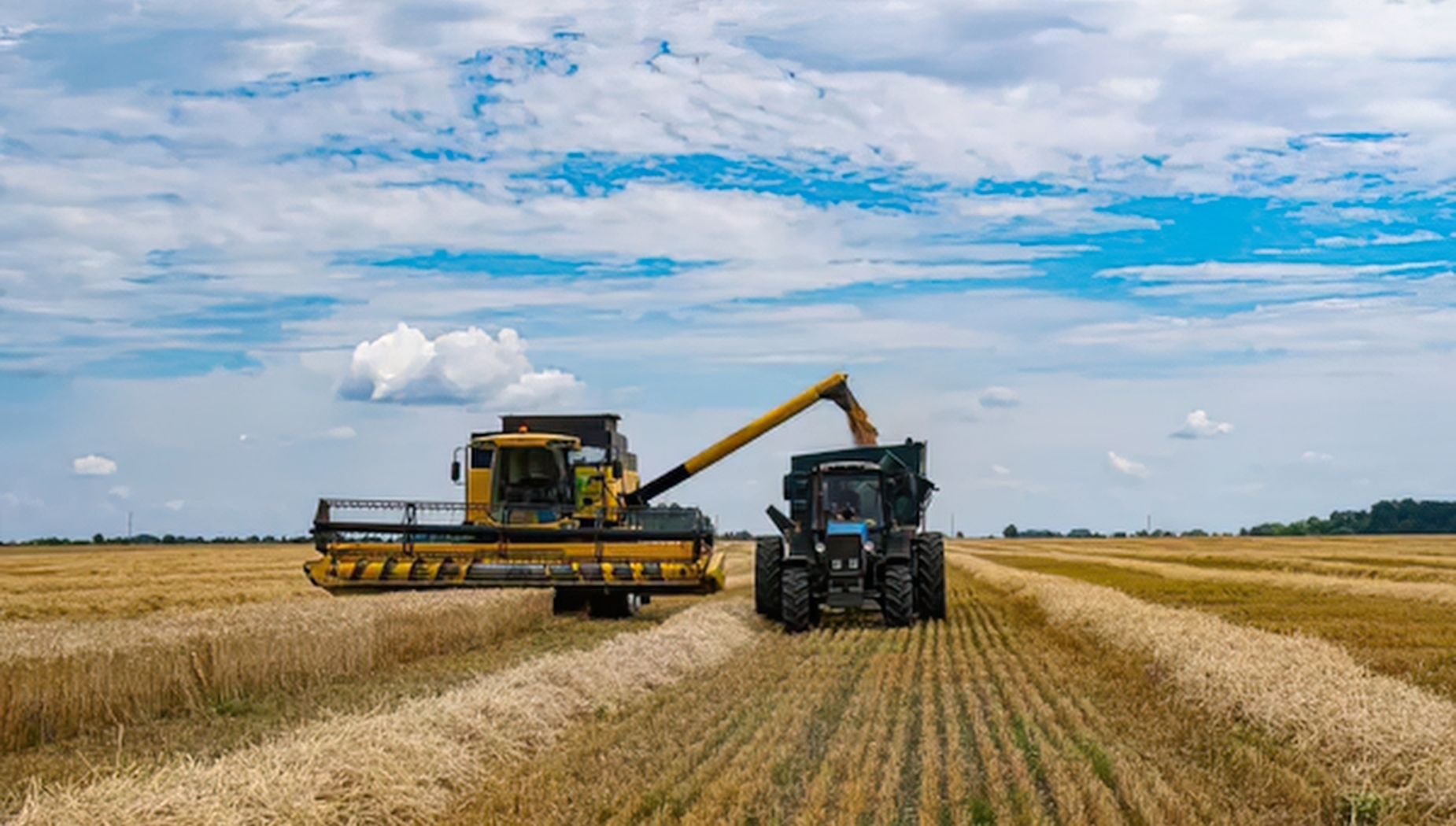
Harvest brings long hours, heavy machinery and increased safety risks. Our harvest safety guide covers what farms should consider to keep workers safe.
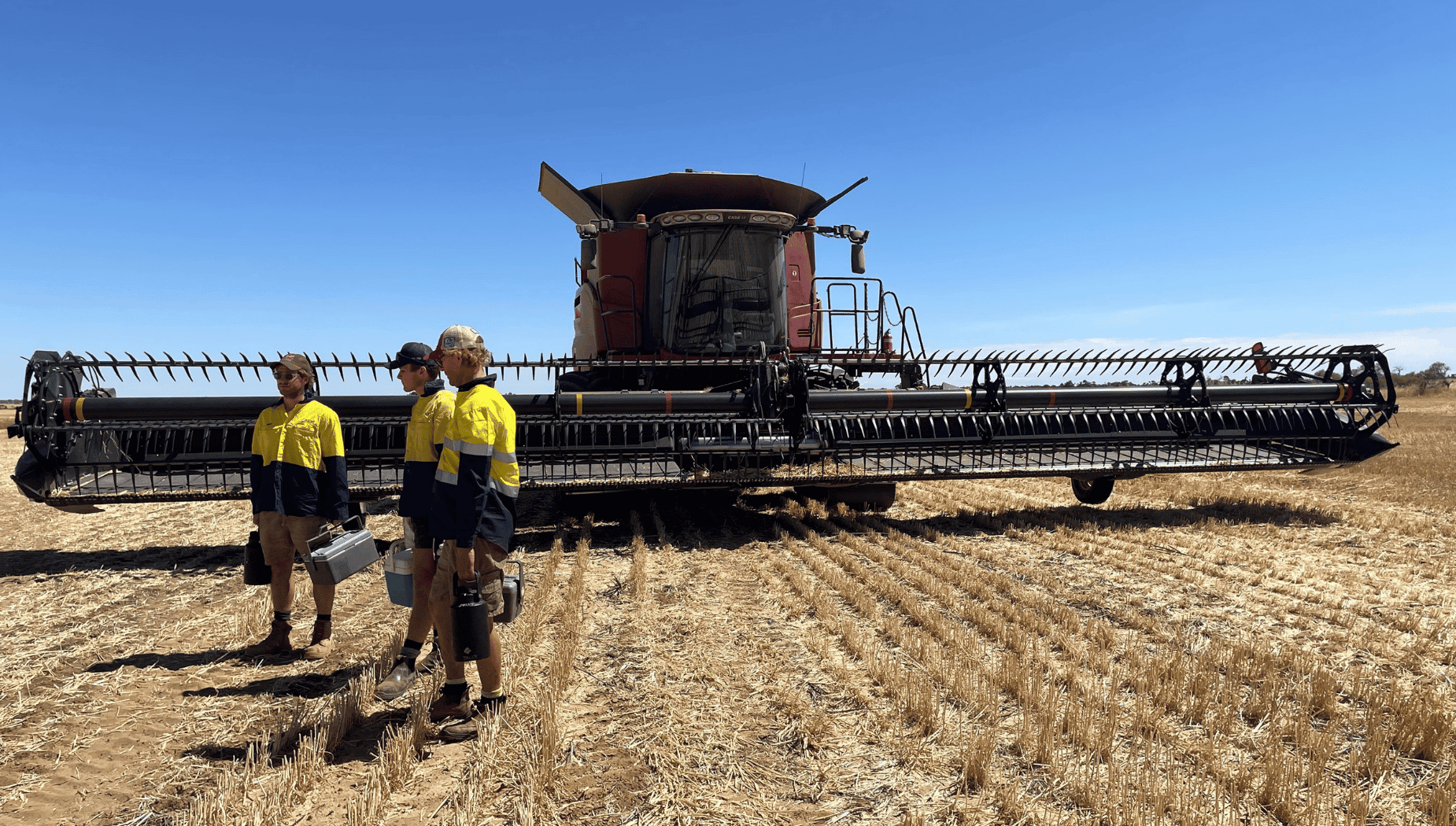
This HR guide for harvest covers some of the key areas farm employers should get in order - from recruitment and contracts to pay, onboarding and record keeping.
