
Isolated work is a regular part of farm life however, it comes with serious risks, particularly when there’s no one nearby to help if something goes wrong.
Risks of working remotely
Working remotely increases the risk of:
- Machinery rollovers or crush injuries without immediate assistance
- Heatstroke, dehydration, or fatigue in high-temperature environments
- Disorientation or lack of contact in poor weather or rough terrain
- Delayed emergency response due to limited communication access
In some tragic cases, delayed response time has meant the difference between a close call and a fatality. This is why Work Health and Safety (WHS) laws require all employers to identify and manage the risks associated with remote or isolated work.
WHS compliance is not just a legal obligation, it is a practical step toward reducing preventable harm. Injuries in remote areas often require longer recovery times due to delayed treatment, leading to extended time off work and increased workers’ compensation claims.
To meet your obligations and genuinely safeguard your team, your workplace should have:
- A documented risk assessment covering all remote and isolated work tasks
- A reliable and tested check-in and communication procedure
- Access to current emergency plans and well-stocked first aid equipment
- Clearly communicated procedures that all workers understand and can apply
- Training in what to do in the event of an incident while working alone
Relying solely on mobile coverage or informal “I’ll text when I’m done” arrangements may leave your team exposed. Communication failures in these situations often go unnoticed until it’s too late.
In addition to planning and communication, employers should also consider technology and infrastructure upgrades that support remote safety. This might include GPS tracking devices for vehicles or equipment, personal locator beacons, or automated check-in systems that alert managers if a worker misses a scheduled contact. For higher-risk roles, consider implementing buddy systems or scheduling work in teams where possible. It’s also essential to regularly review and test emergency procedures, ensuring that staff know how to respond if something goes wrong, because in a remote setting, preparation is the first line of defence.
If you would like to learn how ProcessWorx can help with Human Resources or Work Health & Safety, please contact us on 08 9316 9896, enquiries@processworx.com.au. Also watch an Introduction to ProcessWorx.
Follow ProcessWorx on LinkedIn, Facebook, Instagram, YouTube, and X to keep up with the latest HR and Safety news.
STAY IN THE LOOP
Subscribe to our free newsletter.
Leave A Comment
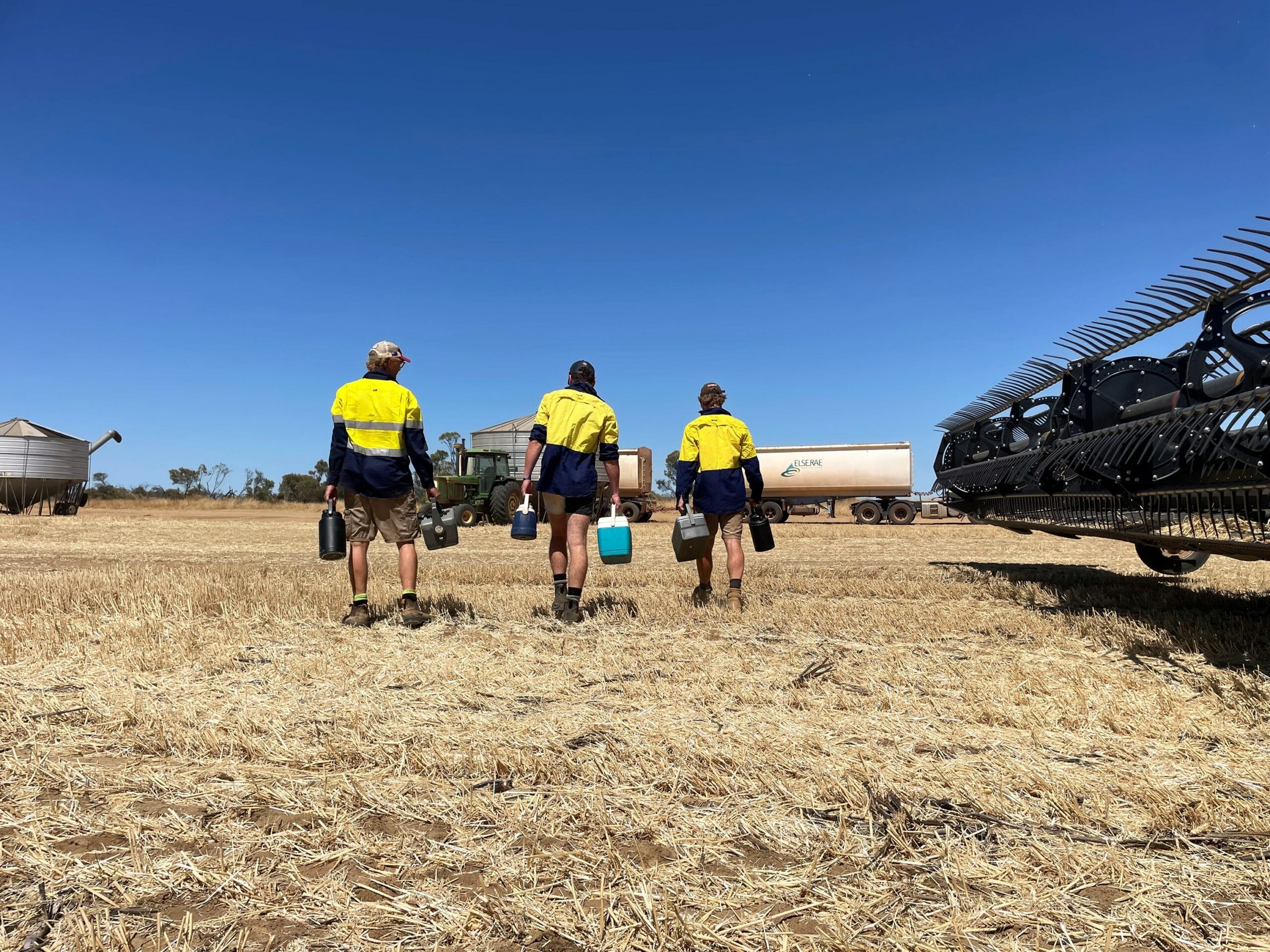
Visa delays and paused working holiday applications are adding pressure ahead of WA’s grain harvest. With seasonal workers harder to secure, getting every new starter onboarded, inducted and paid correctly matters.
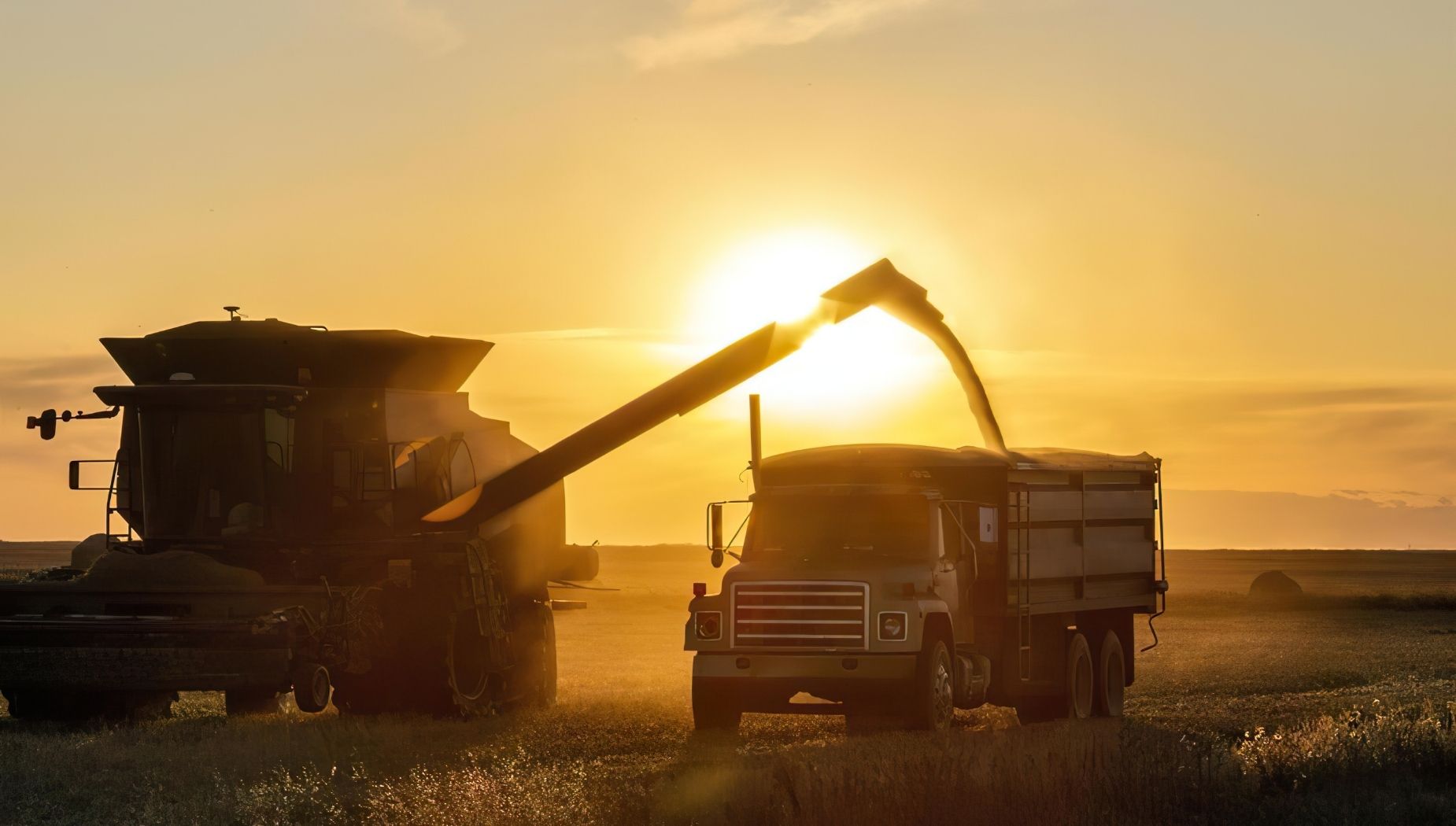
Harvest recruitment is underway, and finding reliable seasonal workers can be challenging. Here are some strategies to help farms attract and retain the right people.
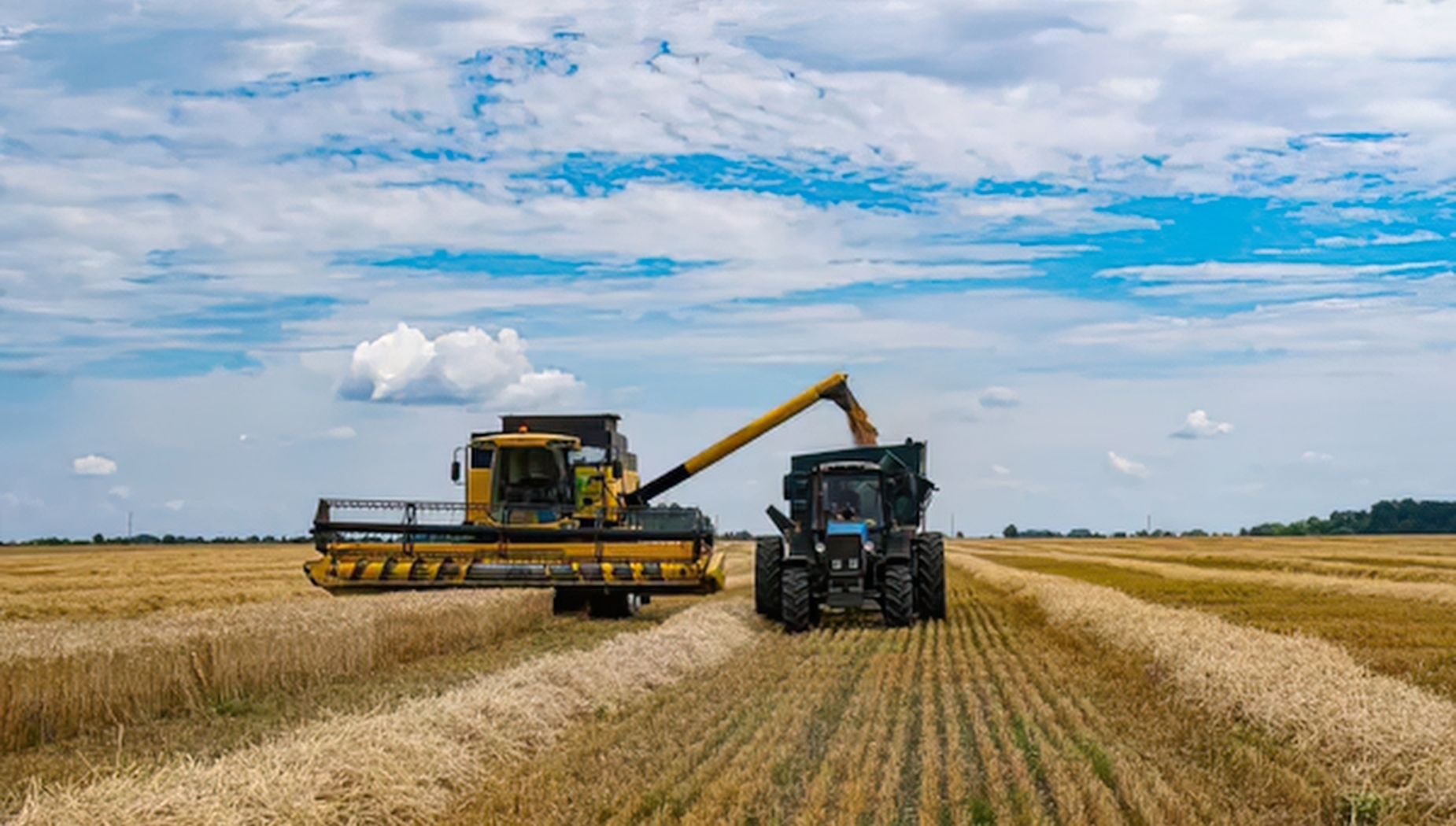
Harvest brings long hours, heavy machinery and increased safety risks. Our harvest safety guide covers what farms should consider to keep workers safe.
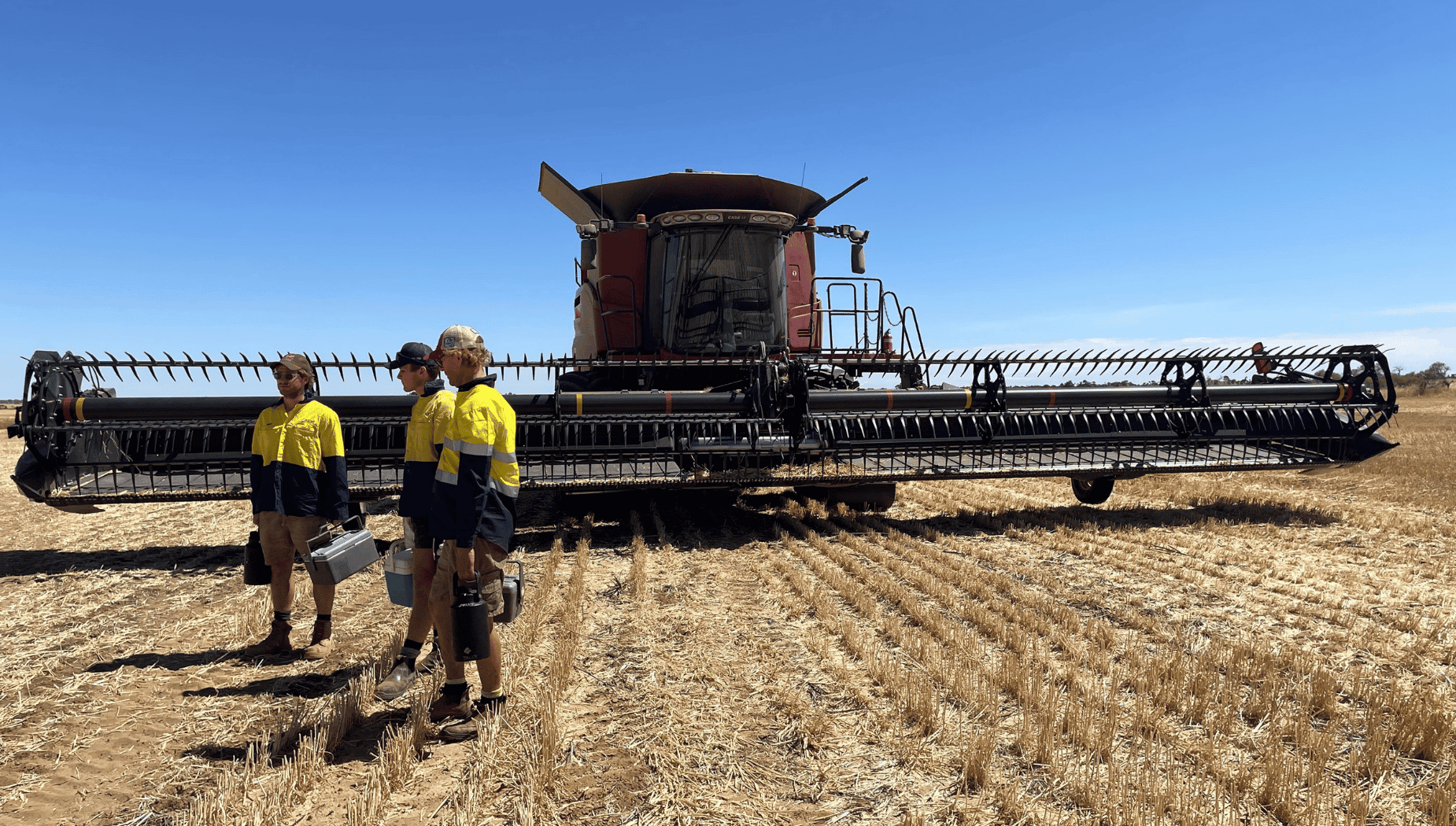
This HR guide for harvest covers some of the key areas farm employers should get in order - from recruitment and contracts to pay, onboarding and record keeping.
